Shinto shrineKameari/Shibamata
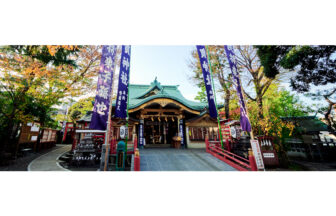
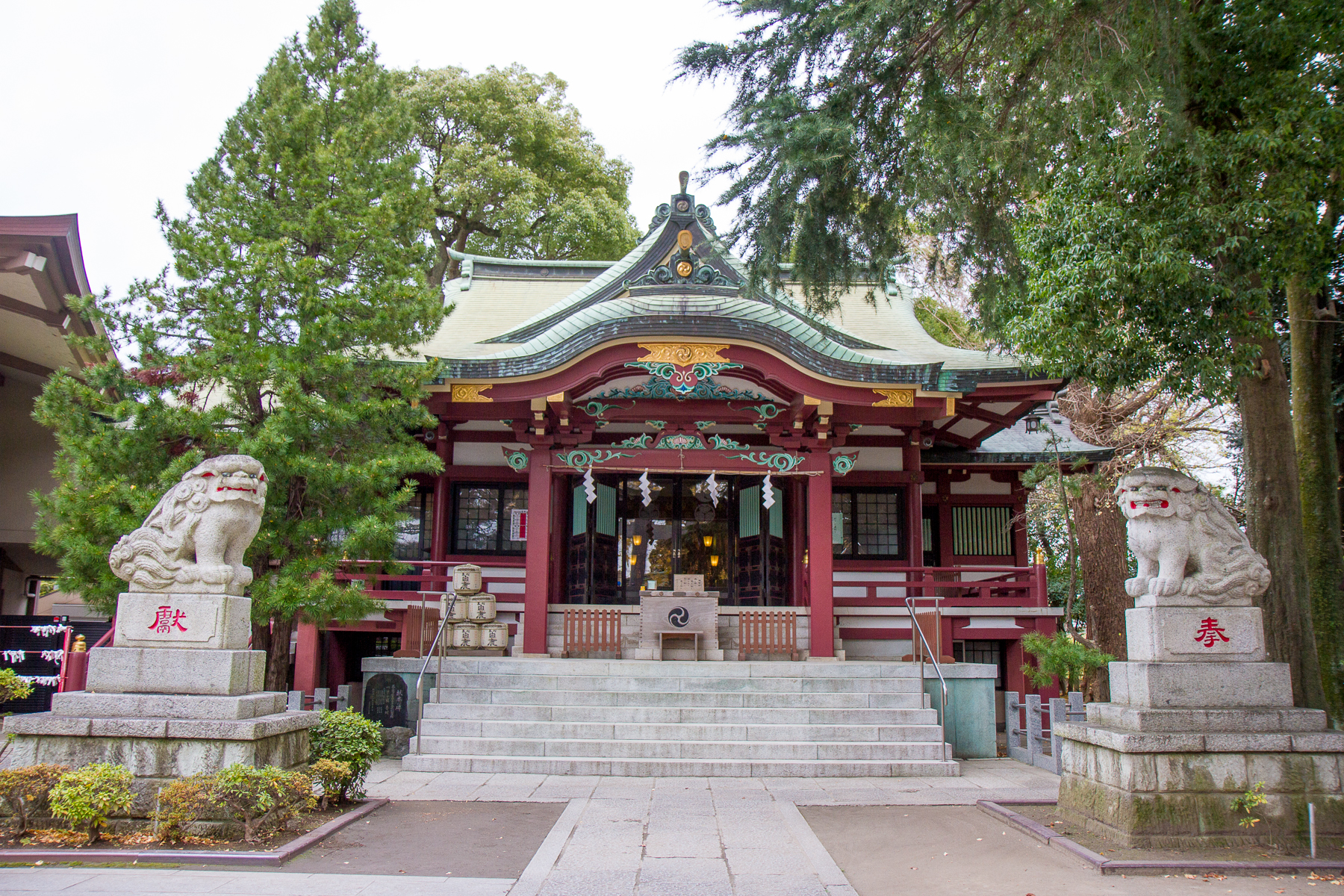
Kasai Shrine (Kanamachi, Tokyo)(Kasaijinja Shrire)
Katori Jingu Shrine in Shimousa ProvincewalkThe oldest torii gateintangible cultural assetfestival music (may be sung from a festival float)
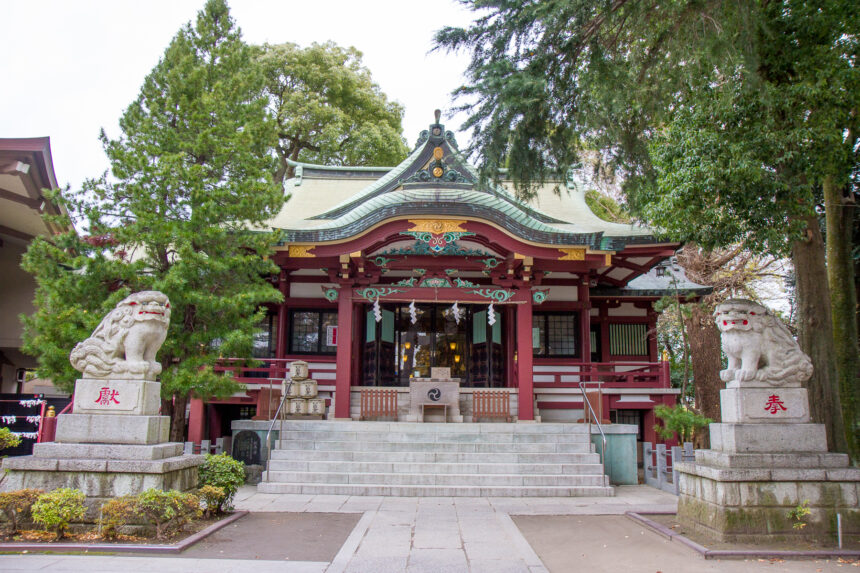
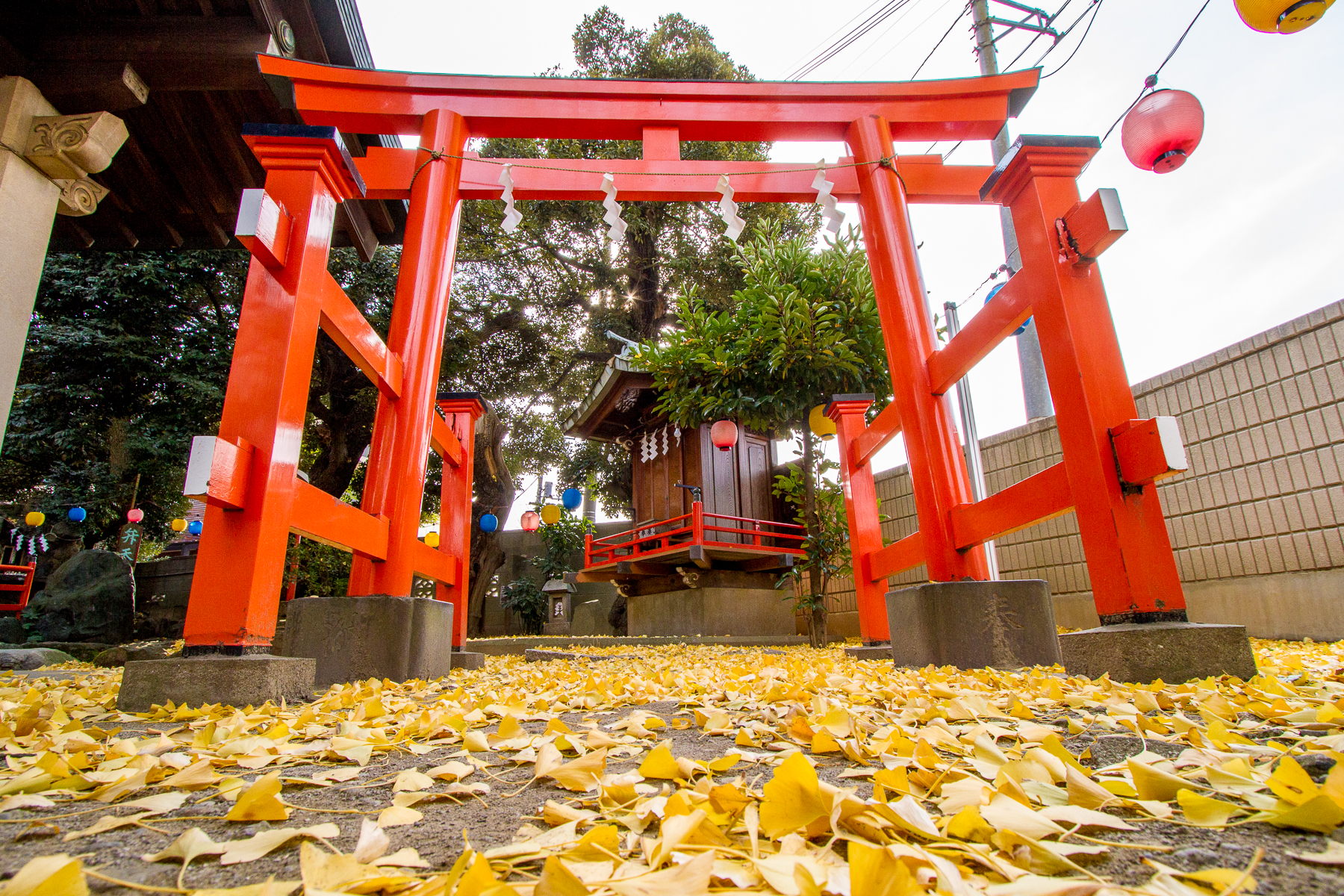
In 1185, a branch spirit of Katori Jingu Shrine in Shimousa Province was enshrined as the general guardian of 33 townships (present-day Katsushika and Edogawa wards, and parts of Sumida, Koto, and Adachi wards), including Kami-Kasai and Shimo-Kasai. Although the shrine was named Katori Shrine for a long time after its construction, it was renamed Katori Shrine during the Meiji Restoration (1868-1912), and further renamed Kasai Shrine in 1881 (Meiji 14), where it remains today. The three deities are Kyotsunushi no Mikoto, Nihon no Musunon and Tokugawa Ieyasu no Mikoto. In addition, there are many other auxiliary and subordinate shrines such as Aorido Shrine and Fuji Shrine, some of which have the oldest torii (gateway to the Shinto shrine) in Katsushika City. The Kasai-bayashi, a local performing art that is dedicated and performed at festivals such as the annual festival in September and the rooster market in November, is considered to be the origin of festival music, and is designated as an intangible cultural asset by the Tokyo Metropolitan Government.
Spot OutlineOutline
| address (e.g. of house) | 6-10-5 Higashi-Kanemachi, Katsushika-ku, Tokyo |
|---|---|
| Access | 10 minutes from Kanamachi Station on JR and Keisei Lines |
| phone | 03-3607-4560 |
| Business Hours | 9:00~17:00 |
| External Links | |
| Founding and opening of business | 1185 (2nd year of Gen. A.D.) |