

Shinto shrineUeno, Yanaka, Nippori
Nezu Shrine (Nezu, Tokyo)(Nedu Shrine)
azaleaOta Do-shuhou era (1260.4.13-1261.2.19)walkimportant cultural property
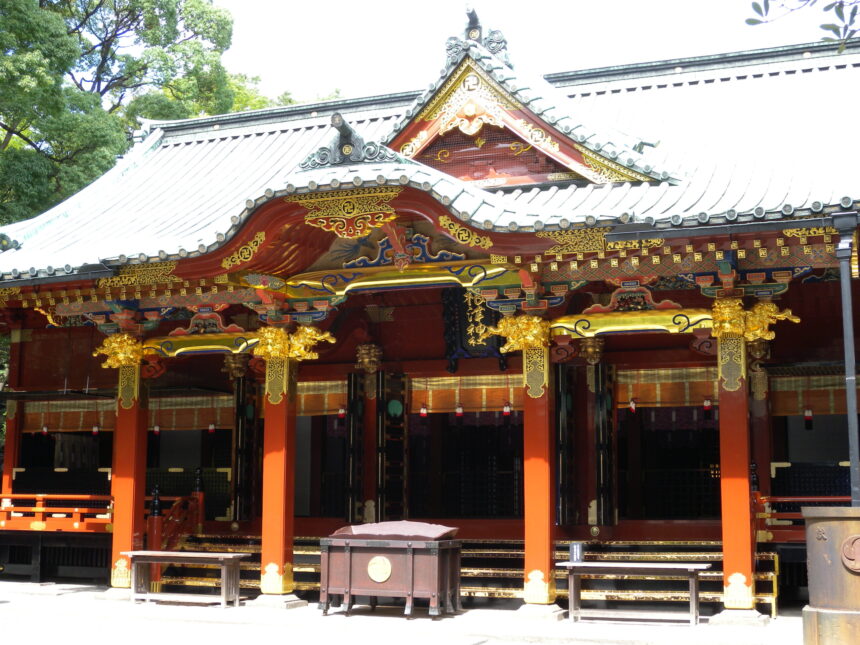
The shrine is said to have been founded about 1,900 years ago in Sendagi by Yamatotakeru no Mikoto, a deity mentioned in the Nihonshoki (the oldest extant chronicle of Japan). Later, during the Bunmei era, the shrine was built by Ota Dokan, a general active in the Muromachi era (1392-1573). In 1705 during the Edo period, the fifth shogun, Tsunayoshi Tokugawa, built the shrine pavilion. The Gongen-zukuri style main shrine building, the hall of offerings, the hall of worship, the Karamon gate, the west gate, the open wall, and the tower gate are all still in existence, and are designated as National Important Cultural Properties. The shrine is also closely associated with great writers such as Soseki Natsume and Ogai Mori. The shrine is also known for its azalea garden, which covers an area of about 2,000 tsubo (about 1,000 m2), and an azalea festival is held there in spring.
Spot OutlineOutline
| address (e.g. of house) | 1-28-9 Nedu, Bunkyo-ku, Tokyo |
|---|---|
| Access | 5-minute walk from Subway Nezu Station, 5-minute walk from Subway Sendagi Station, 10-minute walk from Subway Todaimae Station, 1-minute walk from Bus Stop Nezu Shrine Entrance |
| phone | 03-3822-0753 |
| Business Hours | 6:00-17:00 (Karamon gate opening time. (Maximum 5:00 – 18:00 depending on the season) |
| regular closing day | nashi (Pyrus pyrifolia, esp. var. culta) |
| External Links |