Nezu Shrine (Nezu, Tokyo)

Shinto shrineUeno, Yanaka, Nippori

Nezu Shrine (Nezu, Tokyo)(Nedu Shrine)

azaleaOta Do-shuhou era (1260.4.13-1261.2.19)walkimportant cultural property

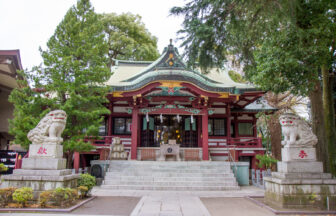
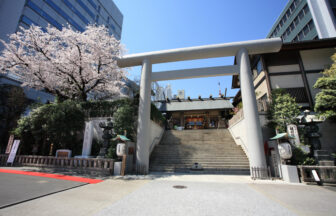
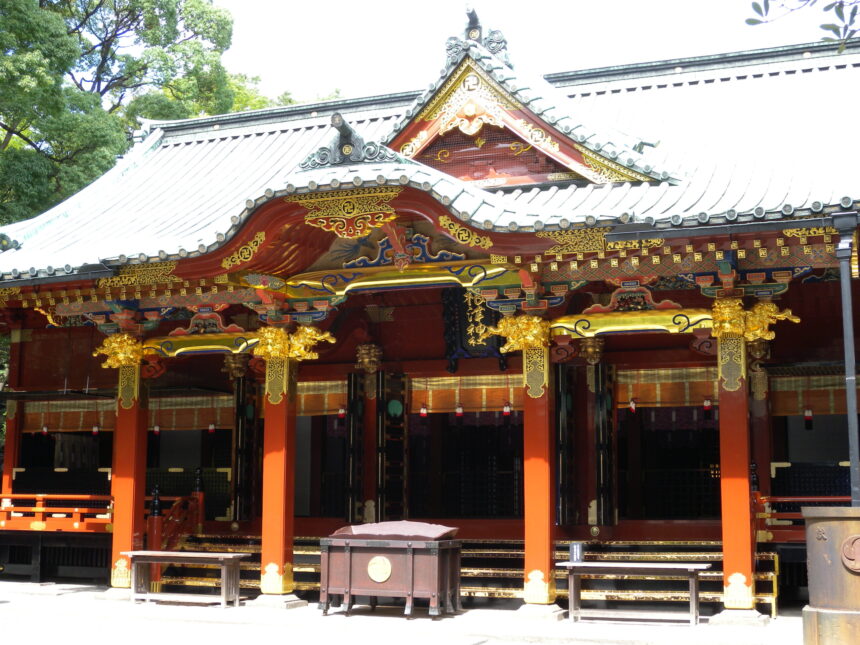
The shrine is said to have been founded about 1,900 years ago in Sendagi by Yamatotakeru no Mikoto, a deity mentioned in the Nihonshoki (the oldest extant chronicle of Japan). Later, during the Bunmei era, the shrine was built by Ota Dokan, a general active in the Muromachi era (1392-1573). In 1705 during the Edo period, the fifth shogun, Tsunayoshi Tokugawa, built the shrine pavilion. The Gongen-zukuri style main shrine building, the hall of offerings, the hall of worship, the Karamon gate, the west gate, the open wall, and the tower gate are all still in existence, and are designated as National Important Cultural Properties. The shrine is also closely associated with great writers such as Soseki Natsume and Ogai Mori. The shrine is also known for its azalea garden, which covers an area of about 2,000 tsubo (about 1,000 m2), and an azalea festival is held there in spring.

Spot OutlineOutline

address (e.g. of house) 1-28-9 Nedu, Bunkyo-ku, Tokyo
Access 5-minute walk from Subway Nezu Station, 5-minute walk from Subway Sendagi Station, 10-minute walk from Subway Todaimae Station, 1-minute walk from Bus Stop Nezu Shrine Entrance

phone 03-3822-0753
Business Hours 6:00-17:00 (Karamon gate opening time. (Maximum 5:00 – 18:00 depending on the season)
regular closing day nashi (Pyrus pyrifolia, esp. var. culta)
External Links

Official Web Site

新着・おすすめ情報

  1. bush

  2. triumvirate

  3. type of soft Japanese confectionery made with rice flour (somewhat similar to Turkish delight)

  4. Ruins of Kirishitan residence (Myogadani, Tokyo)

  5. sandbar that projects into the ocean, particularly in a wavy form

  6. 【第3回】蕎麦の香りを楽しめる蕎麦メニューとは

  7. Anyone can do it by themselves! Basic yukata dressing – men’s version

  8. Before the Edo period, “Dedication confectionery” was a top-quality confectionery made with white sugar.

  9. The 30th Omiya Hachimangu “Suginami Hanagasa Festival” held

  10. Metropolitan Takiyama Park, Ruins of Takiyama Castle

  11. Inari-zushi

  12. When do we display the “Akumayumi” outside of Children’s Day? Explanation of its origin

  13. Manners for Late-Summer Greeting Cards in 2023: Common Sense to Know and Sample Cards for Different Recipients

  14. Musashi Fuchu Kumano Shrine Tomb (Fuchu, Tokyo)

  15. 【老舗ご当主・識者と歩く】日本推しラトビア人アルトゥルさんと虎ノ門−新橋の老舗をめぐる