

Shinto shrineNihonbashi (bridge)
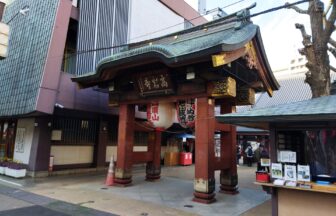
Fukutoku Shrine Meibuki Inari (Nihonbashi, Tokyo)(Fukutoku Shrine Mebuki Inari)
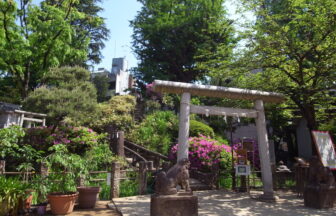
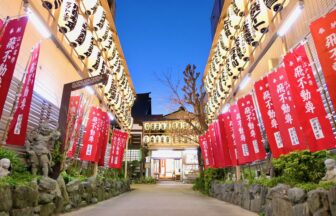
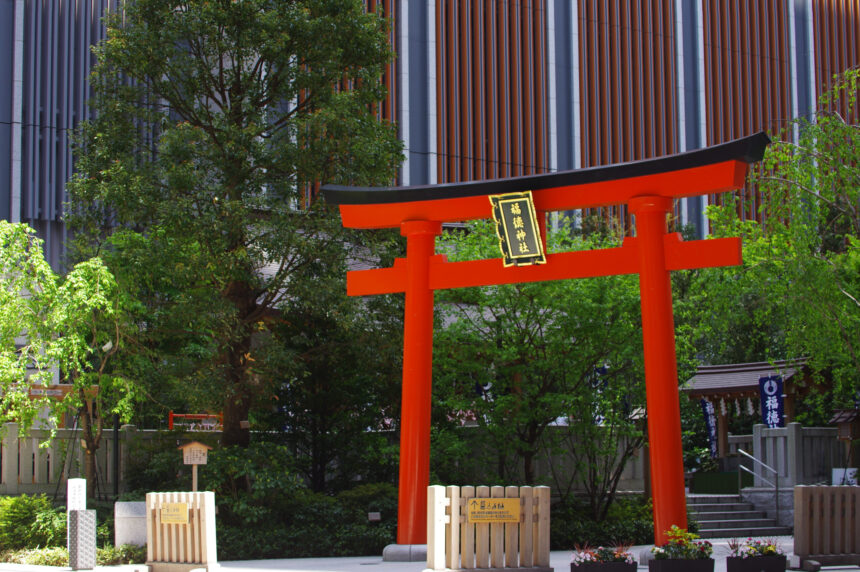
The shrine is located adjacent to the COREDO Muromachi complex in Nihonbashi. Although the date of its establishment is unknown, it is said to have already existed here during the Jougan period (859-876), and was visited by Ota Doukan and Tokugawa Ieyasu. It was one of the few shrines that sold “Fuzokuji” (the predecessor of lottery tickets) in the late Edo period (1603-1868), and was famous for its good fortune in winning large sums of money. Because of this, the shrine is still famous today for its prayers for winning lotteries and for winning tickets. The “Ticket Winning Prayer Festival” is held at the request of fans who wish to win tickets, and the “Tomikuji Mamori” amulet for winning tickets is also popular.
Spot OutlineOutline
| address (e.g. of house) | 2-4-14 Nihonbashi-Muromachi, Chuo-ku, Tokyo |
|---|---|
| Access | Approximately 1 minute walk from Subway Mitsukoshimae Station |
| phone | 03-3276-3550 |
| Business Hours | Awarding office 9:00-17:00, red seals are available from 10:00-15:00. |
| External Links |