sake specially produced without added alcohol or sugar

Sake & Tea

sake specially produced without added alcohol or sugar(Tokubetsujunmaisyu)

Japanese rice wine

Sake must be brewed with rice polished to less than 60% or by a special production method. There is no clear definition of this “special production method” and it is left to the discretion of the sake brewer. Typical examples include “long-term low-temperature aging” and “wooden tank pressing (using a wooden pressing machine to press new sake). Even if the rice used is “organic rice only” or “100% Yamadanishiki,” it is recognized as a special production method. What makes it special must be indicated on the label.

新着・おすすめ情報

  1. What is the temperature of “hot sake?” Explaining the Temperature of Heated Sake [Words Related to Sake].

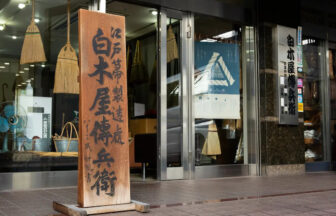
  2. The same manufacturing method since the establishment of the company. Interview with Satoru Nakamura, the 7th generation of Shirokiya Nakamura Denbei Shoten, who weaves Edo brooms using craftsmanship passed down from generation to generation .

  3. Shortcakes, pancakes and afternoon tea. A beautiful way to eat sweets.

  4. Japanese sweets in the form of long blocks (e.g. yokan, uiro)

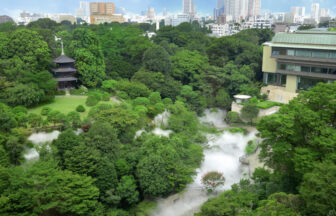
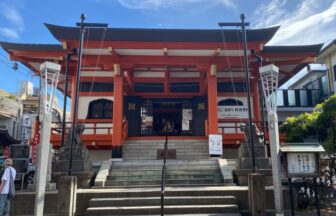
  5. Kameido Tenjinja Shrine (Kameido, Tokyo)

  6. What is the origin of the word “toji” in sake brewing? Words related to sake

  7. Why is “Koinobori” carp? The reason is said to be based on Chinese folklore.

  8. Otakanomichi and Masashino-ike Spring Group

  9. Kimono can be re-tailored and reused as a haori or obi. Kimono is the ultimate SDGs costume.

  10. Hikarimono (sushi)

  11. Customer information is written down in a notebook and shared with all staff. Ginza Mikawaya’s commitment to hospitality

  12. Manners for the Mid-Summer Gift Giving Year 2023 Edition: When to Give, Who to Give it to, How to Give it to Someone, and How to Hang a Wrapper.

  13. fried dough cake

  14. Ubukeya, a long-established cutlery shop with 240 years of history

  15. 京都でも最古の歴史を持つ「松井酒造」。日本酒づくりを軸に展開する、革新的な取り組み