

Shinto shrineHachioji, Machida, Fuchu
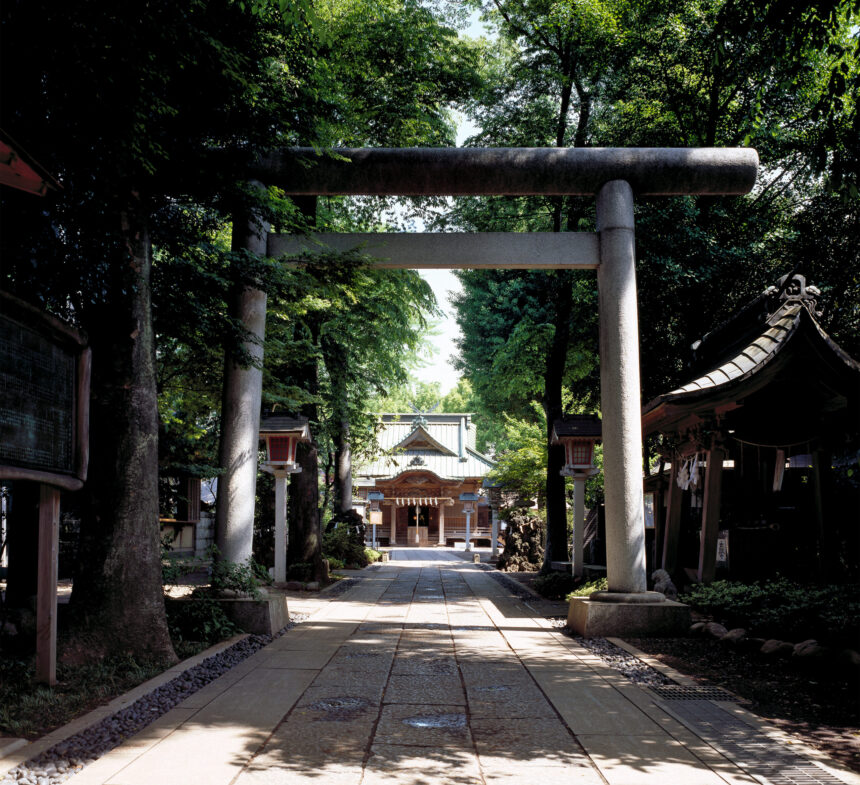
Tanashi Shrine (Tanashi, Tokyo)(Tanashi Shrine)
National Tangible Cultural PropertiesTokyo Metropolitan Government Designated Cultural Properties
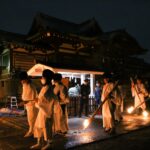
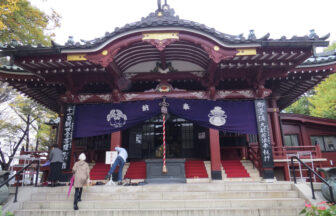
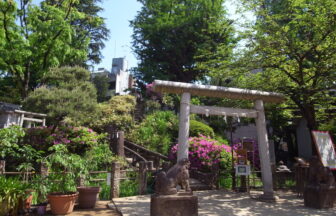
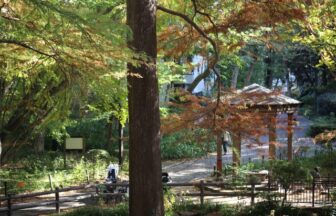
Founded in the Kamakura period (1185-1333), the shrine was originally located on Miyayama in Kitayado, about 1 km north of the present site, and was called Shodo-no Gongen. In the Edo period (1603-1867), when Tanashi began to flourish as a post town on the Ome Kaido highway, it was moved to its present location and renamed Tanashi Shrine after the Meiji Restoration. The main deities are Shinatsuhiko-no-mikoto and Shinatobe-no-mikoto, gods of the wind, and Okuninushi no-mikoto. Based on the philosophy of the five elements, five dragon deities (gold, black, white, red, and blue dragons) are enshrined in the main shrine and various places on the shrine grounds, and in recent years the shrine has attracted many visitors as a power spot to ward off the elements. The main shrine and worship hall are designated as cultural properties by the Tokyo Metropolitan Government, and the sanjuden is a nationally registered tangible cultural property. Image courtesy of Tanashi Shrine
Spot OutlineOutline
| address (e.g. of house) | 3-7-4 Tanashi-cho, Nishitokyo-shi, Tokyo |
|---|---|
| Access | Six-minute walk from Tanashi Station on the Seibu Shinjuku Line. |
| phone | 042-461-4442 |
| External Links | |
| Founding and opening of business | Kamakura period (1185-1333 CE) |