

Hanazono Shrine(Hanazono-shrine)
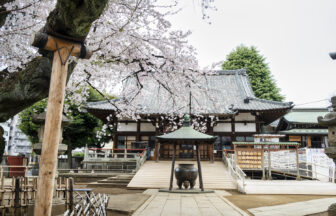
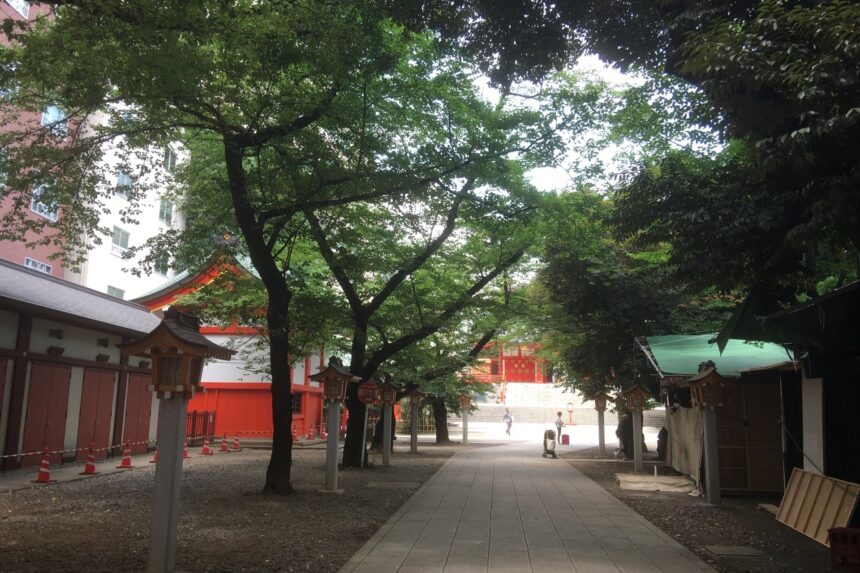
cherry treestrolling on the streetBird Day Fair (held at Otori Shrine on each Day of the Bird in November)
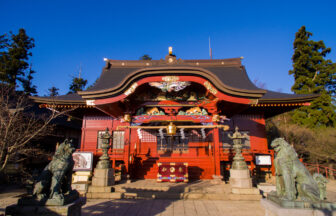
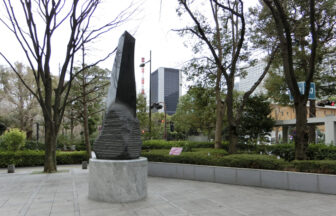
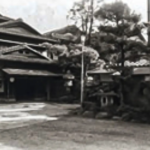
The shrine is located near Kabukicho, Shinjuku, Tokyo, the most sleepy town in Japan. The shrine has been enshrined as the chief guardian of Shinjuku since before the Edo Shogunate. There is also the “Itoku Inari Shrine,” which is blessed for conjugal harmony, child bearing, and marriage, and the “Geino Sengen Shrine,” which enshrines the god of performing arts, and is known to be visited by many entertainers. The monument to Keiko Fuji, a Showa-era singer, is also a must-see. In addition, a large-scale rooster market is held every November, attracting about 600,000 people, who enjoy tricky performances at the famous freak show among other attractions.
Spot OutlineOutline
| address (e.g. of house) | 5-17-3 Shinjuku, Shinjuku-ku, Tokyo |
|---|---|
| Access | 7 minutes from Shinjuku-Sanchome Subway Station, 10 minutes from JR/Subway Shinjuku Station |
| phone | 03-3209-5265 |
| External Links | |
| Founding and opening of business | Before 1590 (details unknown) |