day of the ox in midsummer (during the hottest season)

Eel, eel, conger eel, doze eel

day of the ox in midsummer (during the hottest season)(doyounoushinohi)

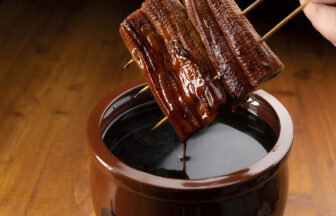
almanacHiraga Gennaiaphorismold name of Tokyoloach or eel dipped and broiled in soy-based sauce

The “Doyou” of “Ox days” refers to the 18-day period just before the first day of spring, summer, autumn, and winter. In the old calendar, days were counted according to the twelve signs of the Chinese zodiac, so “Doyou no Ushi” refers to the “day of the Ox” that falls during the “Doyou” period. In modern times, however, the term “Doyou no Ushi” mostly refers to the day before Risshu (the first day of autumn) and the day of the Ox in summer.

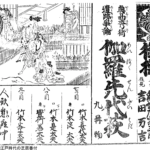
The origin of the custom of eating eels in mid-summer is not known, but it is said that in the mid-Edo period, when the Dutch scholar Hiraga Gennai was consulted by an eel shop about declining summer sales, he put up a sign saying, “Today is the day of the Ox, the day of the Ox in the Doyou season, and if you eat eels, you will never lose summer,” and the store became prosperous, leading other stores to copy him. This is well-known.

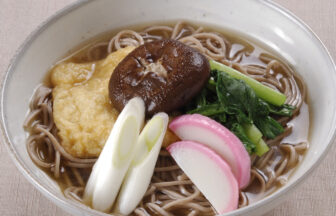
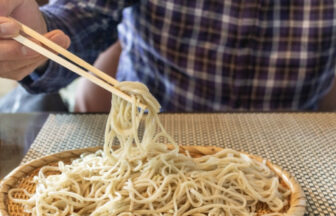
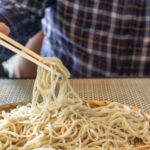
It is also said that, in addition to eels, it is good to eat other foods with “U” in them, such as melon and udon noodles, to get rid of the summer heat.

新着・おすすめ情報

  1. Shofukuji Temple (Higashimurayama, Tokyo)

  2. What is “Yanagawa Hot Pot”?

  3. Zenkokuji Temple (Kagurazaka, Tokyo)

  4. What is the difference between “Ginjo-shu” and “Junmai Ginjo-shu”? Words related to sake

  5. Nezu Shrine (Nezu, Tokyo)

  6. When did the Hina Matsuri (Peach Festival) begin?

  7. very young fish (esp. a konoshiro gizzard shad)

  8. Sekiguchi Bashoan (Waseda, Tokyo)

  9. Former Iwasaki Residence

  10. Japanese yam (Dioscorea japonica)

  11. Koishikawa Korakuen

  12. Gosho Ningyo” was a gift to the Imperial Palace. Also known as “Hai Hai” and “White Meat Dolls.

  13. black formal kimono with designs along the bottom of the skirt worn by married women on ceremonial occasions

  14. Why is “Koinobori” carp? The reason is said to be based on Chinese folklore.

  15. New Year’s decorations