Musashi Ontake Shrine (Ome, Tokyo)

Shinto shrineHigashimurayama, Ome, Okutama

Musashi Ontake Shrine (Ome, Tokyo)(Musashi-mitake-jinja Shrine)

dogwolf (in sheep’s clothing)

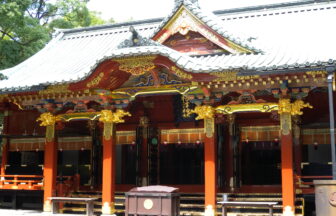
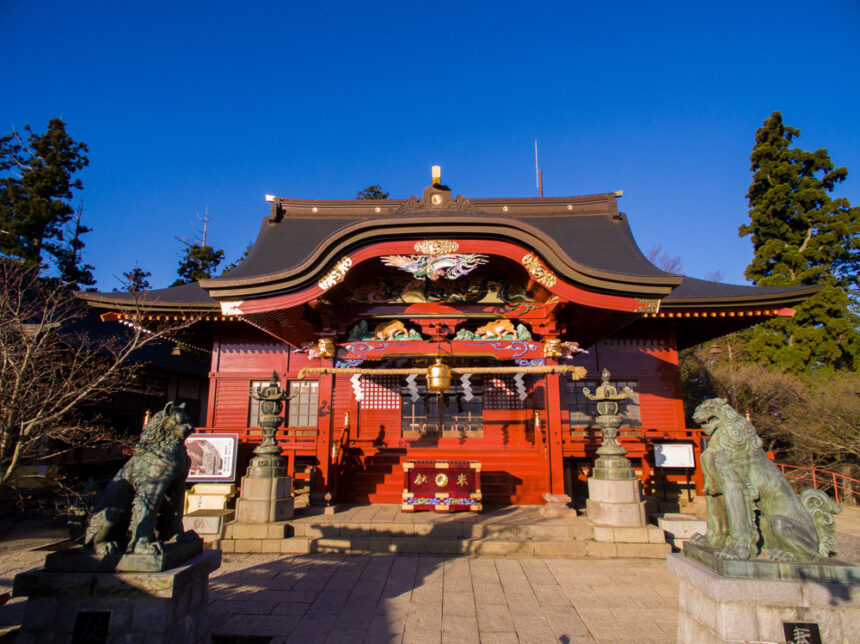
Mitake (929 meters above sea level). It is said that the shrine was established in the 7th year of the Emperor Sujin’s reign, when Takeunakawawawake no Mikoto enshrined Ohonamuchi no Mikoto and Sunahikonokono-no Mikoto when he conquered the eastern part of Japan. During the Nara period (710-794), a statue of Kongo Zao Gongen, the principal deity of mountain worship, was enshrined in the shrine, and when mountain worship flourished in the Middle Ages, the shrine flourished as the center of Zao worship in the Kanto region. In the Edo period (1603-1867), pilgrimages by the general public became popular, and “Utaki Ko” were organized in many places. The shrine is also known for its guardian deity, the wolf (Okuchimakami), and a talisman called “Inu-sama” depicting the wolf is popular as it is said to be beneficial for protection against theft and fire. Image courtesy of Musashi Ontake Shrine

Spot OutlineOutline

address (e.g. of house) 176 Mitakeyama, Ome-shi, Tokyo
Access From JR Ome Line Ontake Station, take a bus to Ontake Tozan Railway Cable Car Takimoto Station, take the cable car up to Ontakeyama Station, get off, and walk 25 minutes.

phone 0428-78-8500
Business Hours 8:30~16:30 (God’s talisman conferring place)/9:00~15:30 (Prayer reception)
External Links

Official Web Site

Founding and opening of business 7th year of the reign of Emperor Sojin

新着・おすすめ情報

  1. Kimono is an SDG costume. Unused clothes and tenugui (hand towels) can be used as obi sashes.

  2. Shinobazunoike Pond Oratory, Kan-eiji Temple

  3. Koishikawa Korakuen

  4. Shinagawa Shrine (Kita-Shinagawa, Tokyo)

  5. clothing (e.g. kimono) decorated with one’s family crest

  6. Kameido Tenjinja Shrine (Kameido, Tokyo)

  7. Sarugakuzuka Tomb (Daikanyama, Tokyo)

  8. 2023 Tori-no-ichi (rooster market) at Washi-jinja Shrine in Asakusa

  9. 【第21回】古文書から紐解く江戸につながる「そば切り」の伝承

  10. Yamamoto Nori Store, a long-established business with 170 years of history. The birthplace of “seasoned laver” talks about its commitment to flavor.

  11. Okunitama Shrine (Fuchu, Tokyo)

  12. Tobifudo Shohoin Temple (Minowa, Tokyo)

  13. Otomeyama Park (Takadanobaba, Tokyo)

  14. What is the origin of the name “Gohyakumangoku,” rice suitable for sake brewing? Words related to Sake

  15. Former Mikawashima sewage disposal pumping facility (Arakawa, Tokyo)