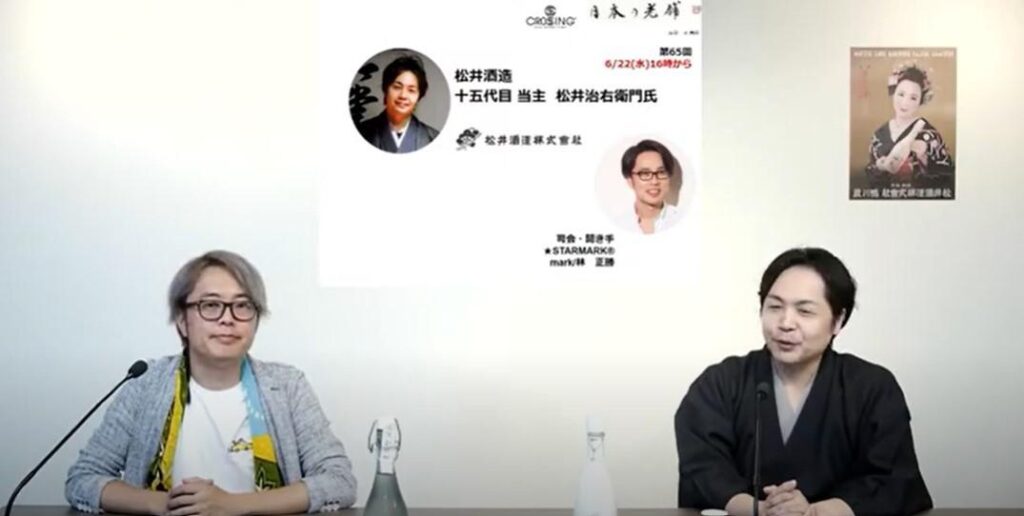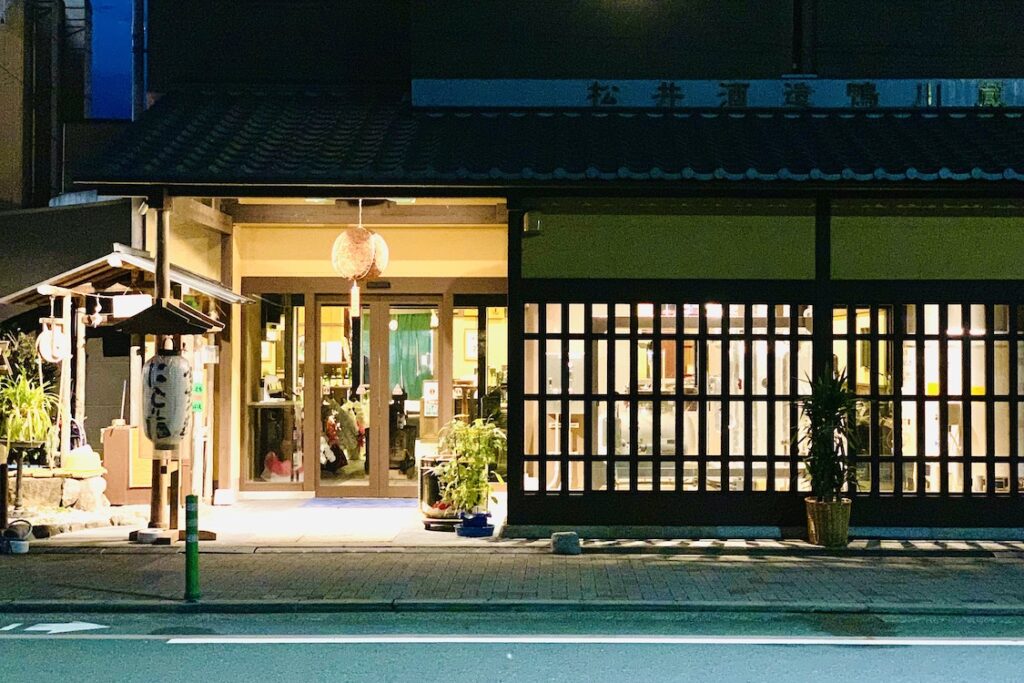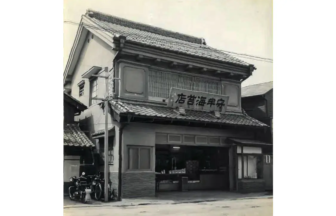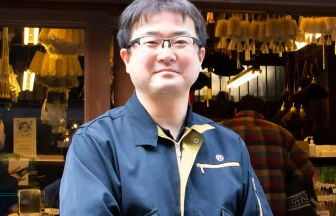

Founded in 1726, the Matsui Sake Brewery has a history of nearly 300 years, but once closed its brewery during the wave of urbanization. 14 years ago, the brewery was revived and has been producing a series of unique sake products. The company has also taken various new approaches not seen in previous sake breweries. Masakatsu Hayashi, representative of Starmark Corporation, which operates “agataJapan,” spoke with Jiemon Matsui, the 15th generation owner of the brewery, about the history of the brewery and its future.

Founded in 1726. Matsui Shuzo revived a once-defunct sake brewery.

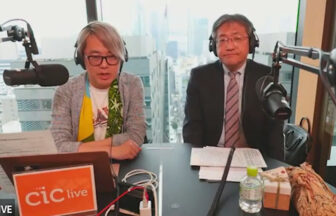
Hayashi: Today we are talking with Jiemon Matsui, the 15th generation owner of Matsui Sake Brewery. Please give him my best regards. Could you give us an introduction to the Matsui Sake Brewery?

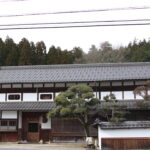
Matsui: Matsui Sake Brewery is located in Demachiyanagi. The Kamo River flows nearby, and Kyoto University and the Kyoto Imperial Palace are located here, relatively close to the city and rich in nature. In fact, the brewery was just revived 13 years ago, so even if you live in Kyoto, you may not know about it. Although small, we are doing our best to produce unique sake.

Hayashi: Thank you very much. Please introduce yourself, Matsui-san.

Matsui:Matsui Sake Brewery was founded in 1726, and when the generations change, the name “Matsui Jiemon” is taken over from the first generation. 4 years ago, the generation changed and I became the 15th generation. I was going to college in Tokyo, and when I was having doubts about my future, my father moved to revive the Matsui Sake Brewery, which had been closed. While I was in graduate school, I received a phone call telling me to come back because I would revive the Matsui Brewery, and 14 years ago I revived the Matsui Brewery.


Hayashi: What did you do for a while after you graduated from graduate school?

Matsui: Although I was born in a sake brewery, I had no understanding of sake, so I decided to study sake first, and I was trained at a sake brewery in Fushimi.

Hayashi: When you were at the sake brewery in Fushimi, were you involved in sake making?

Matsui: That’s right. I was trained to become someone who could make sake, so I was preparing sake at the brewery.

Hayashi: We often hear from people in long-established businesses that they were not sure whether or not to take over the business.

Matsui:Many of the children of sake brewers went to agricultural universities or studied business management, but I studied law at a law school. I did not study liquor tax law, so I am not sure if my studies then are useful now. However, I think my strength lies in my lack of common sense.

Hayashi: You mean that you can think about things without being bound by the common sense of “this is how a brewery is usually run.
Never shy away from the word “tradition” and always be innovative.

Hayashi: Can you tell us the story of Matsui Brewery up to the present?

Ms. Matsui: Tradition is something that is fostered as a result of continued innovation. I often have the opportunity to talk to students about Kyoto’s traditional industries, and I try not to use the word “tradition” too often. I try not to use the word “tradition” too often, because “tradition” is a very convenient word and is sometimes used as if it were a magic word. If you have a question about why something is done the way it is, when you explain it to someone, you say, “This is our tradition,” and that’s the end of it. Unlike in the world of tea ceremony or flower arrangement, where gestures are connected to tradition, a manufacturing company like ours has the biggest and only mission to make good products, so we have to find out “what is the purpose of this work”. Therefore, we do not want to be lulled into believing that we are “traditional.

Hayashi: You said that the Edo wagashiya would be convinced by the word “tradition,” and that you would like to explain it to them in detail, without running away from it. When I actually visit Matsui Sake Brewery, you explain in detail how the sake is made, and you are also making various new efforts.

Matsui: Until now, we were only licensed to brew sake, but now that we have been issued a spirits license, we plan to renovate the warehouse to make gin and rum.

Hayashi: That’s great. I am very excited about this because craft gin is very booming right now. You are also very particular about your brewing method.

Mr. Matsui: Yes, that’s right. Our tanks are not that large, so we have to make sake all year round to supply sufficient quantities. Therefore, we make sake over the course of a year while maintaining strict temperature control and hygiene. This method is called seasonal brewing.

Hayashi: Are there any advantages to making products year-round?

Matsui: The usual sake cycle is to brew sake in the winter, squeeze it in early spring, and ship it in the fall after a summer’s run. Of course, we also make such types of sake, but the fact that we make sake all year round means that we can offer fresh sake all year round.

Hayashi: You have brought alcohol with you today, may I introduce it to you?

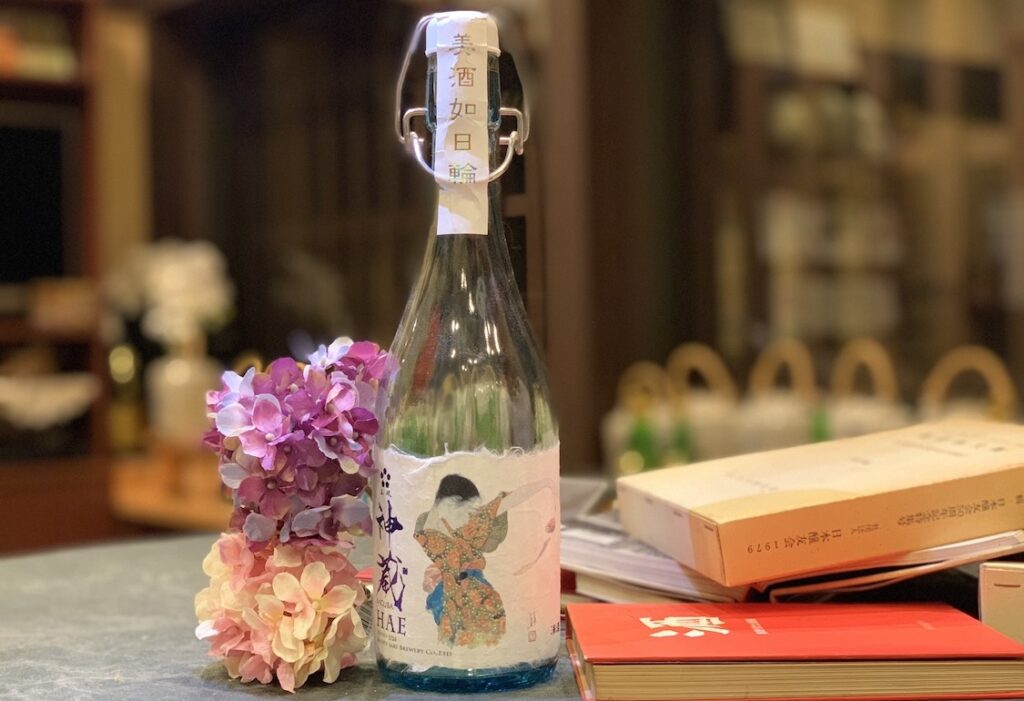
Mr. Matsui: We have seasonal sake, and just the other day we pressed a summer sake and brought it to you. It is the summer-only Kanakura “Nanpu HAE” (Southern Wind HAE).


Hayashi: The fact that summer sake can be made in summer is actually a great thing. In a normal brewery, summer sake is brewed in winter and released in summer, which of course has its own merits, but Matsui Sake Brewery makes “summer sake made in summer.

Matsui: The summer sake is made from Omachi, a rice suitable for sake brewing produced in Okayama Prefecture. It has the gorgeousness of new sake and the astringency of youth. It mellows out over time, but I think you will enjoy the fresh taste of new sake.

Hayashi: The bottle of summer wine is a refreshing blue, and it tastes just as you would imagine from that. What kind of food should we pair it with?

Ms. Matsui: Since it is a summer sake, I think it goes well with summer vegetables. Tomatoes, cucumbers, and eggplant dengaku are also good choices.
AR to read labels and watch videos of sake making

Hayashi: Could you also introduce the label?

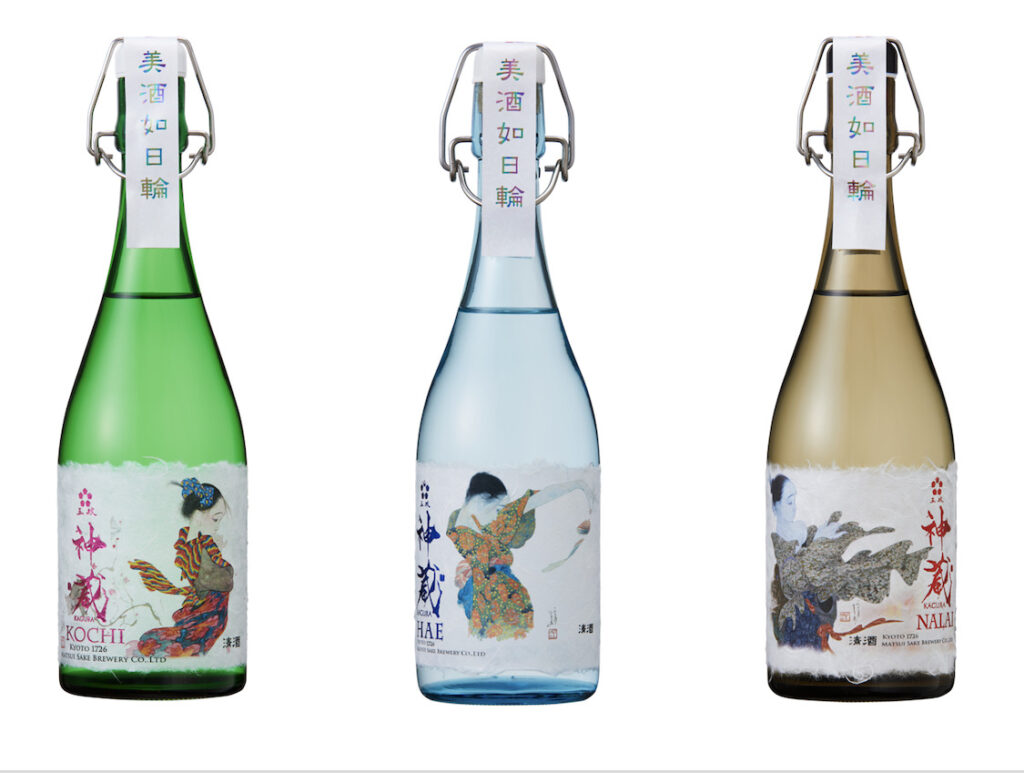
Mr. Matsui: We offer four types of seasonal sakes: spring, summer, fall, and winter, and as for spring, summer, and fall, they are named after the winds. In spring, the wind comes from the east and is called “East Wind KOCHI. In summer, the wind comes from the south and is called “NANKAZE HAE” (South Wind HAE). Autumn is named “NALAI” for the wind from the west. The labels for spring, summer, and fall are painted by artist Kiyoshi Nakajima. He is a very famous artist who has been drawing pictures for children’s songs on NHK’s “Minna no Uta” for many years.


Hayashi: The painting of a woman holding a wind chime is very summery.

Matsui: The white bottle is a sake called “Kamizo Kagura,” a junmai daiginjo sake made from a Kyoto-produced sake brewing rice called “Celebration.

Hayashi: This Junmai Daiginjo is also very tasty, but you actually made a very interesting effort with the label.

Mr. Matsui: Yes. If you hold your smartphone over the label, you can watch a video of the sake brewing process, which changes every two weeks. Every two weeks the content changes. Right now, the rice is being washed, but in another two weeks the video will show the malt being made, and in another two weeks the video will show the sake being squeezed, and so on. At the time of the Corona disaster, we were not allowed to tour the brewery, so we started this kind of initiative so that people could learn more about sake brewing.

Hayashi: Matsui Sake Brewery is very interactive, isn’t it? You also put a lot of effort into videos.

Ms. Matsui: I would like to work hard on my videos; I have started a YouTube channel and hope to do live-streaming someday.
Matsui Sake Brewery is a year-round sake brewer, and while its strength lies in its ability to provide fresh sake all year round, it has recently taken on the challenge of providing video footage of its brewing process. Let’s take a closer look at the brewery’s innovative efforts in the second part of this article.
latter part(temporal or logical sense) follow …
*If you would like to see this dialogue on video.here (place close to the speaker or where the speaker is)