Responding to customer requests leads to innovation. Leading dairy products company “Nakazawa Dairy Co.

Omori, Kamatadairy products(cow’s) milk

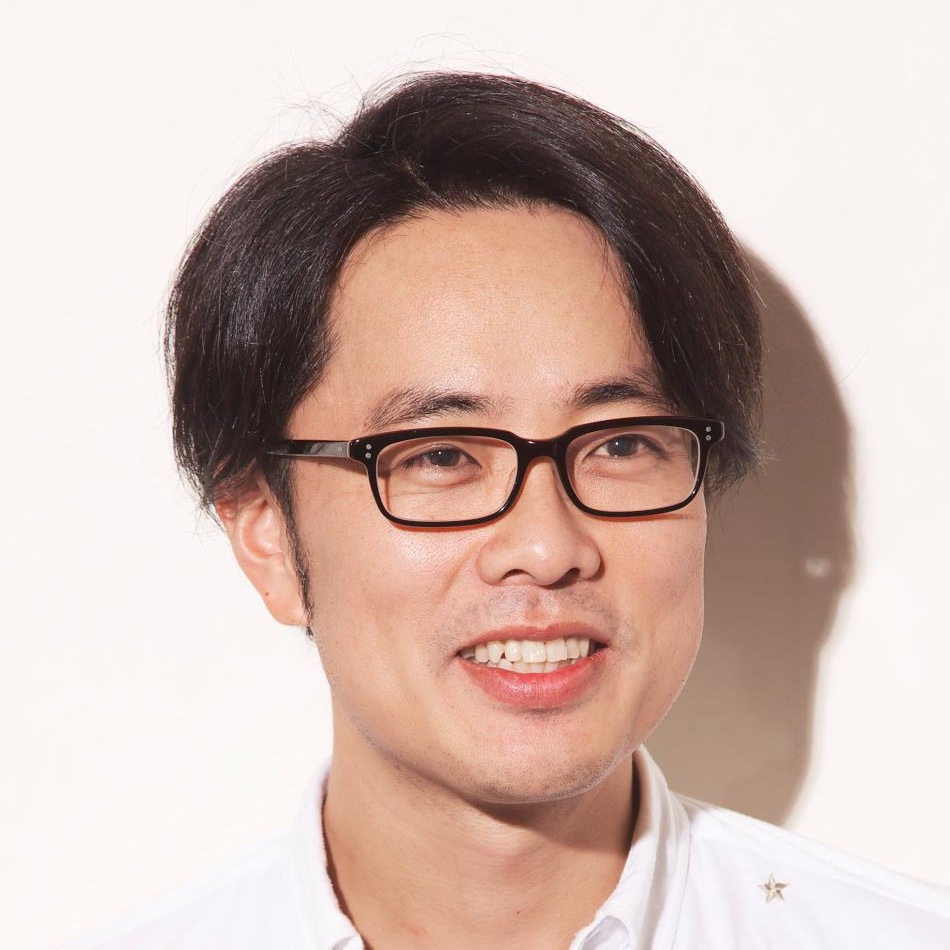
Nakazawa Dairy Corporation, a major dairy products company whose products are sold in supermarkets throughout Japan. The company got its start in 1868 when it established a small dairy farm with four cows in Shimbashi and began producing and selling milk. How has Nakazawa Dairy grown along with the westernization of food, and how has the company progressed up to the present day? We asked Kenji Nakazawa, President and Representative DirectorWe spoke with them.

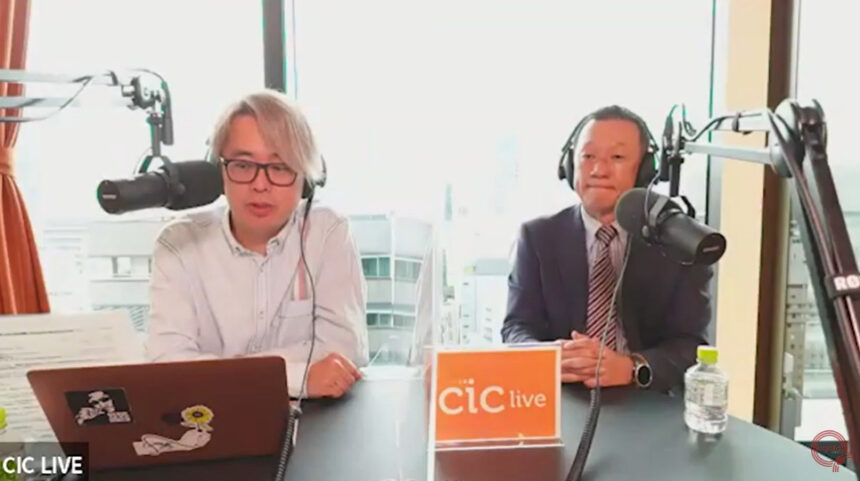
Forest:Today we will talk with Mr. Kenji Nakazawa, President and Representative Director of Nakazawa Dairy Industry Co. First of all, please introduce Nakazawa Dairy.

Mr. Nakazawa:It all started in 1868 when a farm with four cows was established in Shimbashi. At that time, Tokyo was just undergoing a wave of westernization, and cake shops, hotels, and western restaurants were beginning to open here and there. Originally, we delivered dairy products to such nearby stores, but the artisans who trained there spread throughout Japan and began to have their own stores, and our products also spread throughout Japan.

It is surprising that there was a ranch in Shinbashi. How long did the ranch exist?

Mr. Nakazawa: It seems that it existed until the Meiji era. Until around the end of the Edo period, Kyobashi and Nihonbashi were the center of town, Ginza was on the outskirts of town, and Shinbashi was in the countryside. It was just a street to Shinagawa, and there was nothing in the Shiodome area. The business was started by buying a small number of cattle on the outskirts of the city.

You built your farm in such a good area at a time when westernization began and the demand for milk was rising. Now, could you please introduce yourself, Mr. Nakazawa?

I was the second son, so I did almost nothing but play baseball until high school. But when I entered college, my older brother left me, and I had no intention of doing so, but it was a trend I had to follow. As I thought.for generationsWe decided that since we have worked so hard in this business, we need to make sure that we are connected to it.

Did you eat Nakazawa Dairy products at home when you were little?

Yes, I do. I remember that the specialty cakes my father would buy for me were very delicious. I couldn’t eat the cake that was served at a friend’s birthday party one day because it seemed different from what I usually eat. I didn’t know why at the time, but now that I think about it, the quality of the cream must have been different. I guess I was eating cakes with high quality cream on a regular basis.

Actually, I guess it means that he had a discerning palate because he had been eating Nakazawa Dairy’s delicious food since he was a small child. Does Mr. Nakazawa’s family have any kind of family motto?

Keep these two words in mind: “Naked” and “Don’t complain.

Although not a family motto, there are two words that are engraved in my own mind. The first is “nakedness,” which was written on the wall of the president’s office by a man who had served as president since 1980. It means that even though we are naked, we should not live our lives in such a way that people will look back on us, but rather, we should manage our business seriously. Another is a calligraphy written by my father, which says, “Don’t complain. Don’t cry. Don’t get angry. If you give up, you are finished. You have no choice but to do it. When you think so, the way will surely open up. These words are important to me in my business.

I really like the part about “it’s even worse when you’re angry.” I think it is very good that you say, “It is not good enough to get angry”. There have been many innovations in the history of Nakazawa Dairy, may I ask you about them?

Innovation often comes from our customers. When the company was first established, we sold milk, but customers asked us to make fresh cream. We didn’t have any machines back then, so we made it by leaving freshly squeezed milk and scooping out the fat that floated to the top with a shovel. We were probably the first to manufacture it in Japan. Then little by little the market grew, and we introduced equipment from overseas and mechanized the process.


Then after the war, I was asked by the Russian Embassy nearby to make “Smetana”. It is a type of sour cream made by adding lactic acid bacteria to fresh cream.

Clotted cream,” which is now widely used, was developed by the head chef of a hotel in Shinjuku, who came to us and asked us if we could make a cream like this in England. At first, we made it just as we saw fit, and it gradually spread.

Recently, I was asked by a French chef to make a dairy product called “Lelibo. When the development department actually visited the area and presented a sample, the first thing the chef said was, “This tastes like my mom. Incidentally, we have been selling the product for several years now, but surprisingly it has not sold well (laughs). But this is French culture, so we think it is necessary to have products that are not only profitable. In this way, innovation of new products is often triggered by our customers.

So you have been accumulating the needs of the market and making products in response to those needs. What do you think of the various innovations you have made in addition to products?

Currently, we are trying to solve the problem of how to adapt to a society with a declining birthrate. Since the population of children has decreased by 20% over the past 20 years, sales of dairy products and whipped cream used in children’s birthday cakes will naturally decline in proportion to the number of children. The market is sure to shrink, so how do we approach this?

In addition, the population of 20 year olds is decreasing very rapidly: about 2 million in 2000. Last year was about 1.24 million. Considering that the birth population last year was 850,000, the population of 20-year-olds in 20 years will be really limited. The manufacturing industry has a very hard time attracting people, so the big issue now is how to make up for that.

Population decline is a theme that is weighing heavily on Japanese companies as a whole. What kind of solution do you have in mind for this problem?

Mr. Nakazawa: From now on, we must also look outside of Japan. Furthermore, although milk and dairy products are our main focus, we would like to approach other areas as well. For example, when one customer wants to do a 100 million yen business with 10 people, we think about how we can make it possible with 5 people. We provide products that make that happen. The customer can do a labor-saving business, and we can create a new market.

Is such an approach possible with dairy products?

Mr. Nakazawa: For example, cooking custard cream by oneself is quite a difficult task. We undertake this part of the work so that it can be made more efficient, and provide high quality products that even professional craftsmen can be convinced that they can be used. The big challenge is how to produce products that are on the same level as those made by professionals.

That’s wonderful. Nimben, a long-established dried bonito flake maker, also commercialized a soup made by mixing dashi and soy sauce, in order to save chefs time and effort. I think that is a great innovation.

Fresh Cream, Clotted Cream, and Lelibo ……. All of these dairy products have been created by responding to requests from customers for them to be made. They take the needs and reflect them in their business. This attitude may be the key to the survival of a company.

latter part(temporal or logical sense) follow …

*If you would like to see this dialogue on video.here (place close to the speaker or where the speaker is)

新着・おすすめ情報

  1. Enjyoji Temple (Hakusan, Tokyo)

  2. Oji Shrine (Oji, Tokyo)

  3. Hatoyama Kaikan (Otowa, Tokyo)

  4. Hanamaki soba

  5. Monument to Kunikida Doppo (Mitaka, Tokyo)

  6. 【山本山】JR新宿駅構内『お茶漬けおにぎり 山本山』にて夏限定「冷やし海苔だく茶漬け」を発売開始

  7. 【第10回】なぜ蕎麦は「細くて長い」が定着したのか

  8. 【第16回】江戸蕎麦の流儀〜蕎麦の洗い方編〜

  9. Niben “The Five Deep Secrets” video is now available.

  10. Inari-zushi

  11. OHNOYA Fuhonten (Buy / Ginza area) page is now open

  12. one-piece sash

  13. 【駒形どぜう】今年も「雪男」登場!

  14. Where did okame soba originate? Ingredients used are also explained.

  15. Japanese yam (Dioscorea japonica)