one-piece sash

Japanese clothing

one-piece sash(MARUOBI)

Japanese clothesclothing

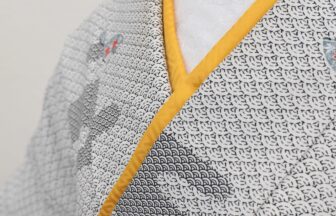
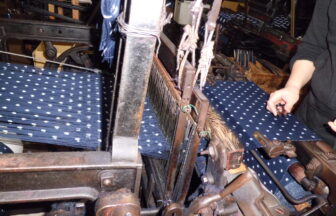
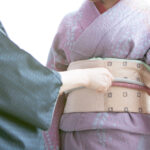
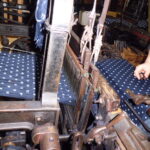
The most prestigious type of obi. The obi is woven twice as wide as a regular obi (about 70 cm), folded in two, and bound together with a core. Therefore, the front and back sides are made of the same fabric. The finished product is approximately 31 cm wide and over 4 meters long. This type of obi began to be made around the Edo period (1603-1867), and since the Meiji period (1868-1912), it has been used as an obi for wedding dresses and tomesode (formal kimono). It is made of luxurious fabrics and uses many gold, silver, and colored threads. Because it was heavy, stiff, and difficult to tie, the use of the Fukuro obi, made in regular widths, spread for formal wear from the Taisho era to the early Showa era.

新着・おすすめ情報

  1. Innovation by “Shinseido”, creator of the unconventional and popular “Seppuku Monaka” product

  2. Enmeiji Temple, Jizo (a jizo that cuts off the head) / Kozukabara Penitentiary Site (Minami-Senju, Tokyo)

  3. Definitions of “Daiginjo-shu” and “Junmai Daiginjo-shu” [Words Related to Sake].

  4. Tokyo National Museum

  5. Zoshigaya Old Mission Building (Zoshigaya, Tokyo)

  6. 【第1回】蕎麦の実の殻を完全に取り除いて作る「江戸蕎麦」

  7. Shiobune Kannonji Temple (Ome, Tokyo)

  8. eel and cucumber salad, finely sliced, dressed in sake, soy, and vinegar

  9. sweet red-bean soup

  10. Yanaka Cemetery

  11. Ruins of Musashi Kokubunji Temple

  12. Tozenji Temple (Shinagawa, Tokyo)

  13. A Walk in Edo with Old Maps] No.4: Was the Yoshiwara brothel located in Ningyocho? A play by day, a brothel by night. A Journey to the Ruins of a Former Pleasure Spot

  14. Minori Kai] 7 souvenirs from long-established shops in Tokyo that you want to give with a story.

  15. Toyokawa Inari Tokyo Betsuin (Akasaka, Tokyo)