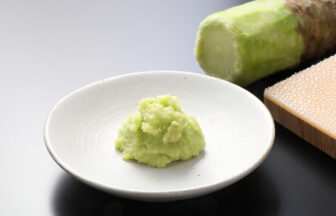
Japanese yam (Dioscorea japonica)

Japanese confectionery

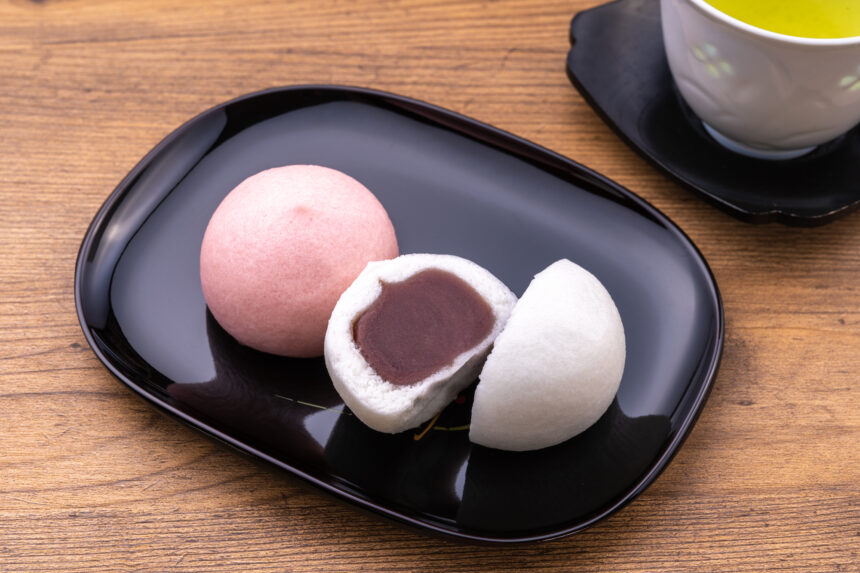
Japanese yam (Dioscorea japonica)(Jouyomanju)

red bean pasteweddingsouvenir

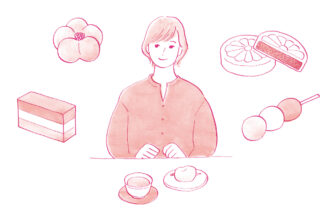
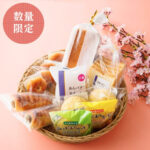
A Japanese confectionery made of grated yam, such as tsukuneimo, and grated yam, wrapped in yam yam grated dough kneaded with rice flour and sugar, and steamed. It is characterized by its moist texture and faint aroma of sweet potato. It has long been used as a wedding gift and for celebratory occasions. In the days when sugar and azuki beans were expensive, it was only eaten by people of high rank, and so it was also called “kami niyo manju (for use at the top). Originally, however, only buns made of grated yam dough were called “jyo-you-manju,” but nowadays it refers to all steamed buns filled with bean paste.

新着・おすすめ情報

  1. Note that the contents of “soup” differ between kaiseki and kaiseki cuisine.

  2. What does “Tenko” mean? Explanation of the meaning of this doll

  3. Ningyocho Shinota Sushi Head Office, a long-established sushi restaurant serving inari sushi. What changes with the times, and what never changes.

  4. Hotel New Otani, Tokyo, Japan

  5. 【老舗ご当主・識者と歩く】日本推しラトビア人アルトゥルさんと虎ノ門−新橋の老舗をめぐる

  6. Ome Shinmachi Oido (Ome, Tokyo)

  7. The 2nd “Sake Samurai”s Tour of Tokyo’s Long-established Sake Breweries with Yuki Aoi

  8. What does a “dresser” do? Craftsmen who make dolls series

  9. Tokyo’s “Furyu Odori” is the talk of the town since it was selected as a UNESCO Intangible Cultural Heritage site! Tokyo’s “Furyu Odori” gathers in large numbers! Report on Tokyo Folk Performing Arts Festival

  10. Kiyosubashi Bridge (Kiyosumi-Shirakawa, Tokyo)

  11. Anyone can do it by themselves! Basic yukata dressing – men’s version

  12. Nihonbashi Saruya is the only toothpick specialty store in Japan. Once you use it, you will never go back to ordinary toothpicks.

  13. Nara Ningyo” is characterized by the powerful touch of a single sword digging. What is the meaning behind it?

  14. Tokyo Station Marunouchi Station Building

  15. 麻布・赤坂・六本木