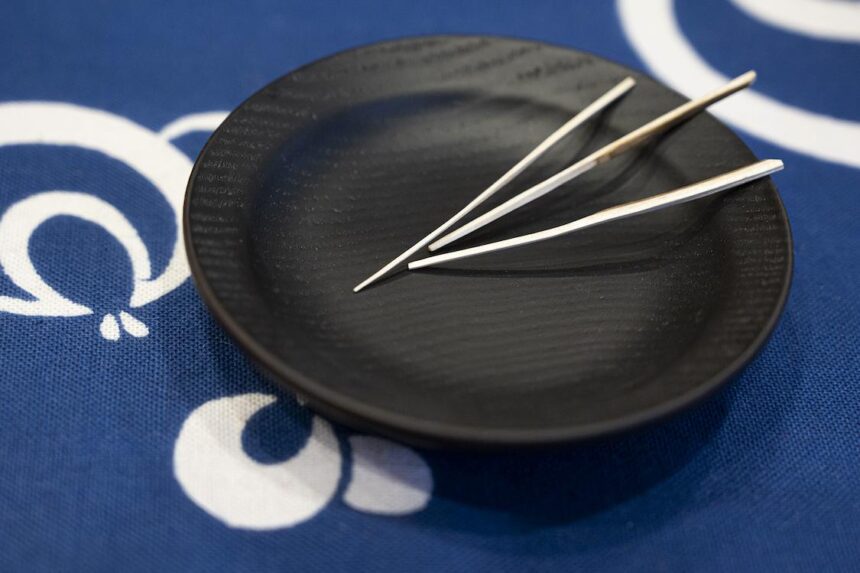
Nihonbashi Saruya is the only toothpick specialty store in Japan. Once you use it, you will never go back to ordinary toothpicks.

The Five Secret Secrets of Long-established BusinessesNihonbashi (bridge)toothpicktoothpickLindera umbrellata

Bringing the best of Japan to the world, and the best of the world to Japan, agatajapan.

Japan is one of the few countries in the world where there are more than 33,000 long-established shops that have been in business for a hundred years. In this series of articles, we ask the owners of these long-established businesses about the “five secrets” that make them “long-established” businesses. The long-established shop we interviewed this time is “Nihonbashi Saruya,” which was established in 1704 and has been dealing in toothpicks for more than 300 years from Edo to 2022.

Once you use them, you’ll never go back to regular toothpicks.”

Where does the charm come from? What is the future of Japan’s only toothpick specialty store?

Through the five profound secrets, we were able to glimpse the secrets that have lasted for 300 years.

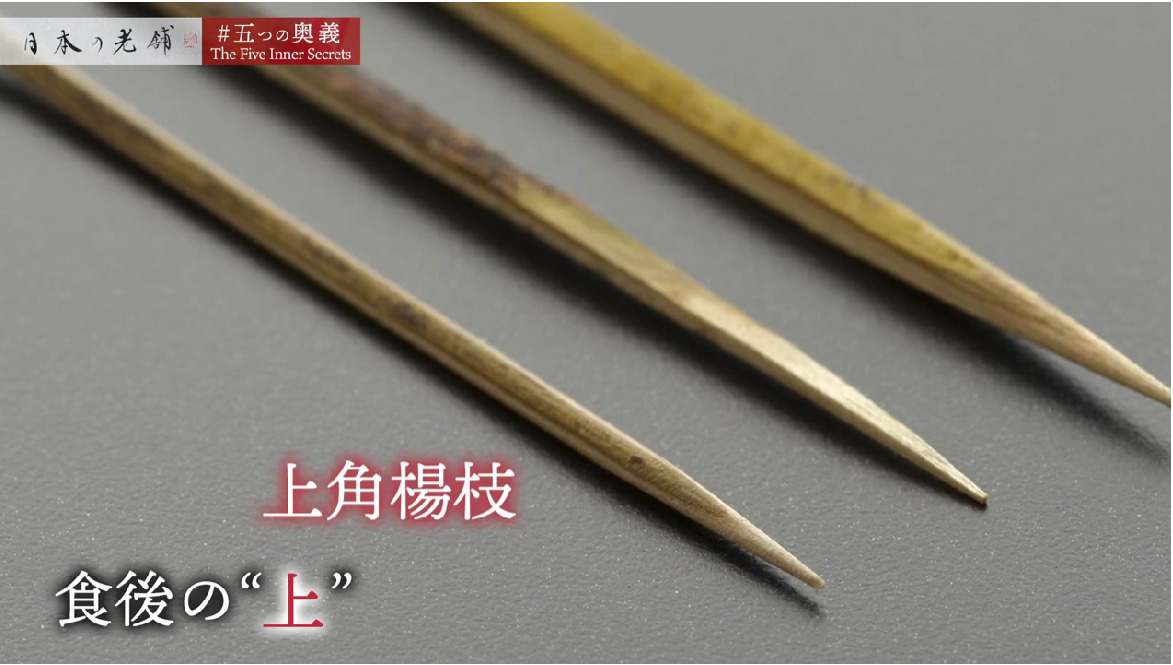
Once you use it, you will never go back to ordinary toothpicks. Upper corner toothpicks made with black letters.

There are various “tops” in Japan.(usu. in negative form) indicates contempt or disdain for another’s actions

Among them, Nihonbashi Saruya’s “Jokaku” toothpicks, which are made of black letters and shaved by hand one by one, are called the “top” after-dinner toothpicks. The toothpicks are resilient and hard to break, and have a mellow woody aroma when you put them in your mouth.

Once you use our toothpicks, you will never go back to ordinary toothpicks.

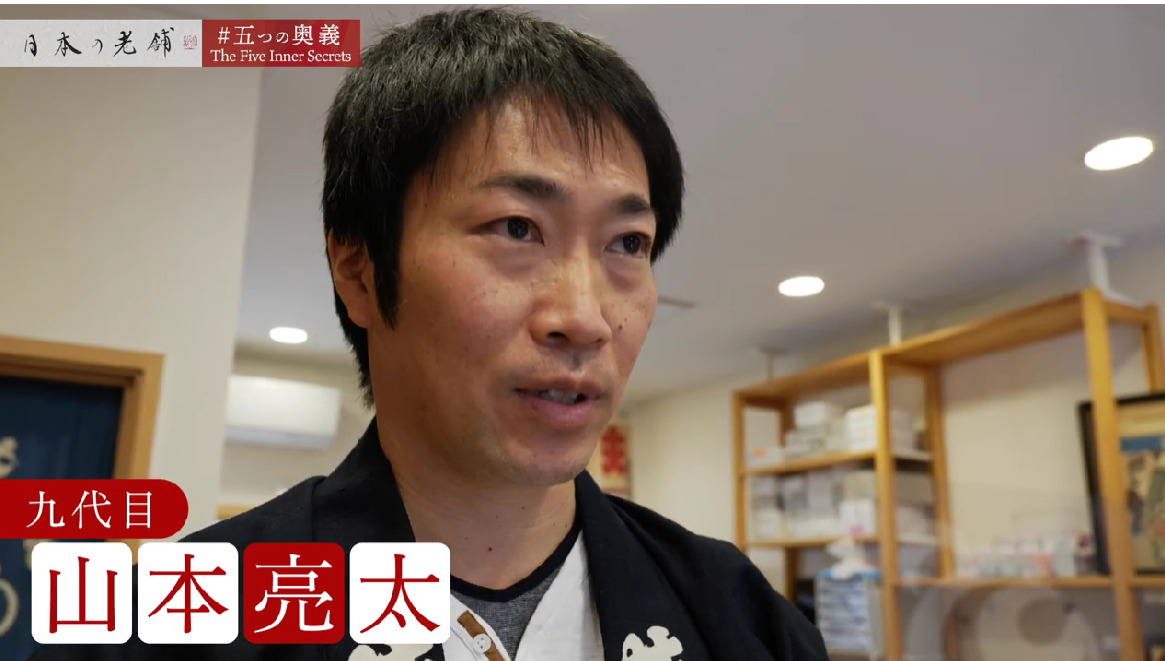
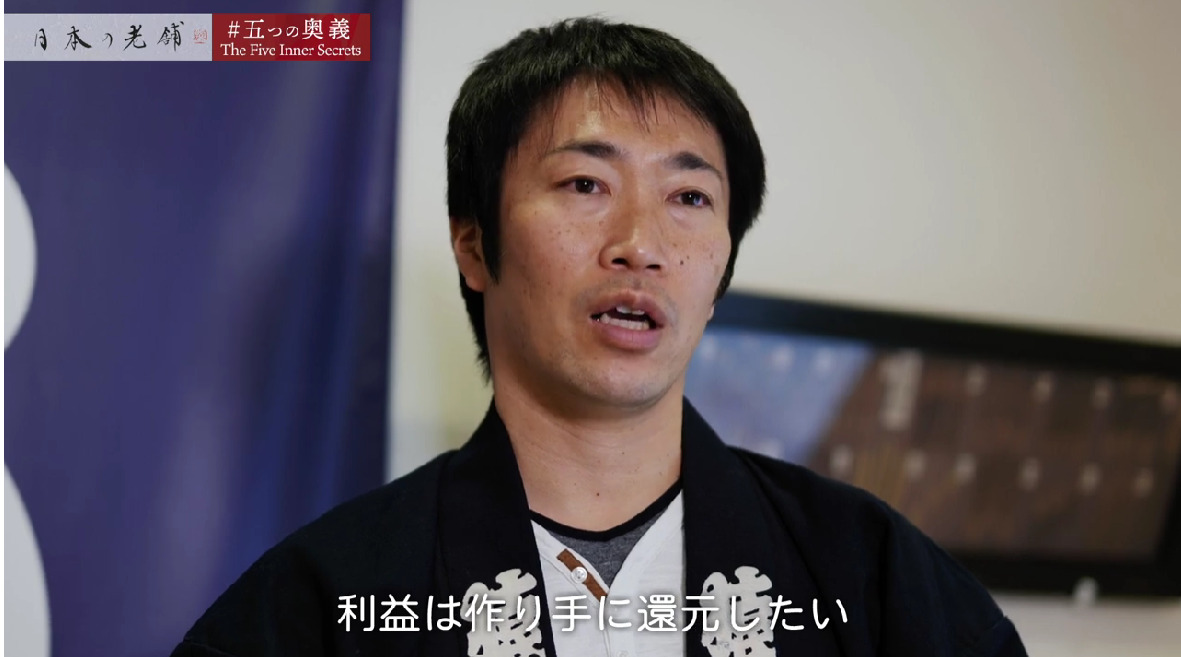
Ryota Yamamoto, the ninth generation owner of Nihonbashi Saruya, says so. This is a masterpiece of skilled craftsmanship that will change the notion that “it’s just a toothpick” to “let it be a toothpick.

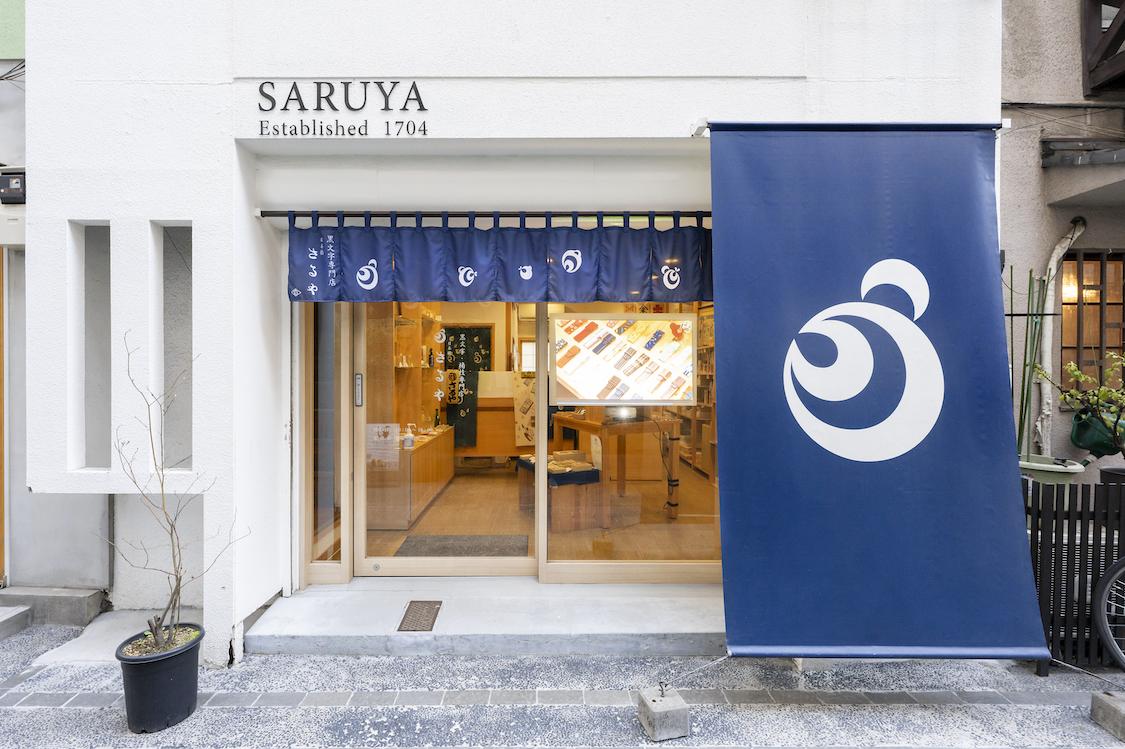
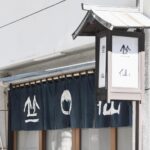
If you are looking for an experience of encountering the “finest” in the alleys of Nihonbashi, Tokyo, visit this modern store just a short walk from Mitsukoshimae subway station. The word and logo “Kuro-moji Saruya Nihonbashi Saruya” (black letter specialty store) is engraved on the noren (a traditional Japanese curtain). It is the only toothpick specialty store in Japan.

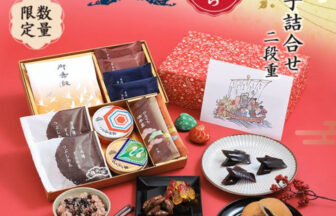
Not only for your own enjoyment, but also as a souvenir in a paulownia wood box, or as a New Year’s gift in a lucky “senryo-bako” box.Or give it to them as aand are also useful as gifts for many people. At the end of each year, zodiac toothpicks are engraved with illustrations of the twelve Chinese zodiac signs: the child, ox, tiger, rabbit, dragon, snake, noon, maiden, god, rooster, dog, and boar. Tsujiyomi toothpicks are also popular. On the wrappers of the toothpicks, there are love-letters written in the form of “Tsujiyomi,” for example, “Kataite yau yo, budadakara wa inui no haru aru ya saki mo shiru (Even though they are hard, they will bloom in spring).

Five secrets of a long-established shop No.1: Sturdy and fragrant. We stick to “KUROMOJI” as a material.

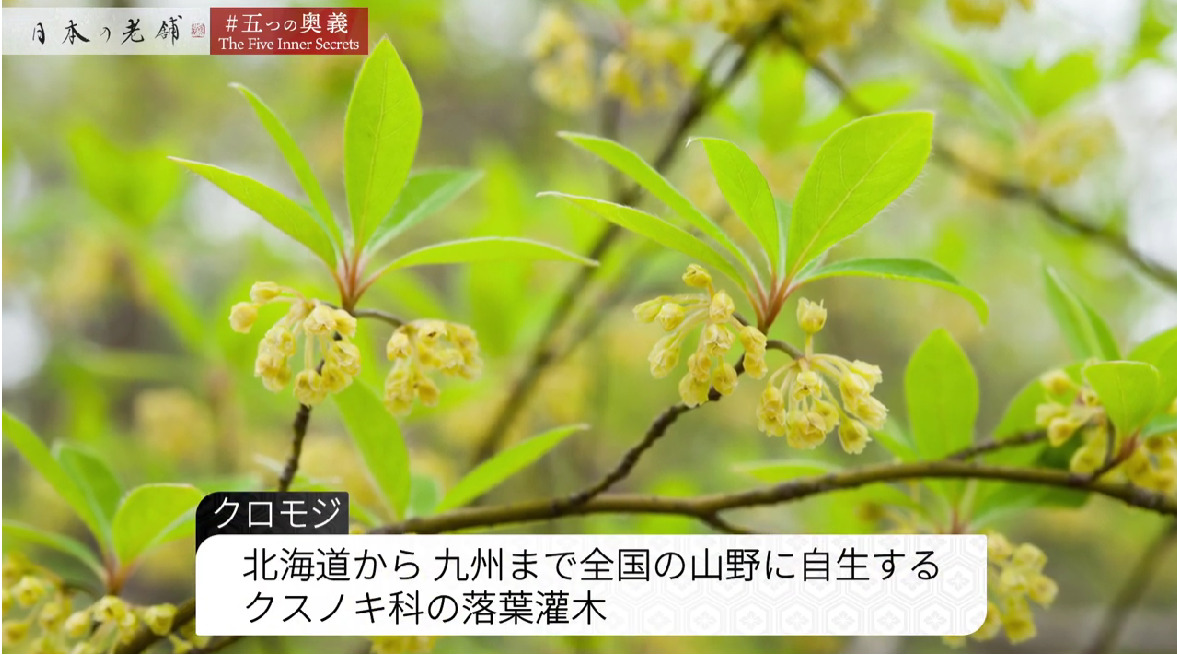
There are two types of toothpicks,” says Yamamoto, “one for cleaning between teeth and the other for Japanese sweets. Of these, Yamamoto is particular about using “kuromoji” toothpicks. Kuromoji is a deciduous shrub of the camphoraceae family that grows wild in mountains and fields throughout Japan, from Hokkaido to Kyushu.

There are two main characteristics, Yamamoto said.

One is its “strength,” which remains strong and sturdy even after use, and the other is its “pleasant aroma. Many people who have experienced the suppleness and rich fragrance of Kuromoji have said, “I can never go back to ordinary toothpicks sold at 100 yen stores.

The richness of Saruya’s toothpicks is supported not only by the materials used but also by the craftsman’s discerning eye.

‘I choose trees that are young, one to two years old, among the kuromoji trees. After a few years, they become hard. It is better to make toothpicks while they are soft,” says Kazuo Yamamoto, Saruya’s eighth generation owner.

The use of a soft toothpick creates a comfortable tooth contact and results in a “good toothpick.

Five secrets of the long-established shop No. 2: Avoid striations, read fibers, and cut straight.

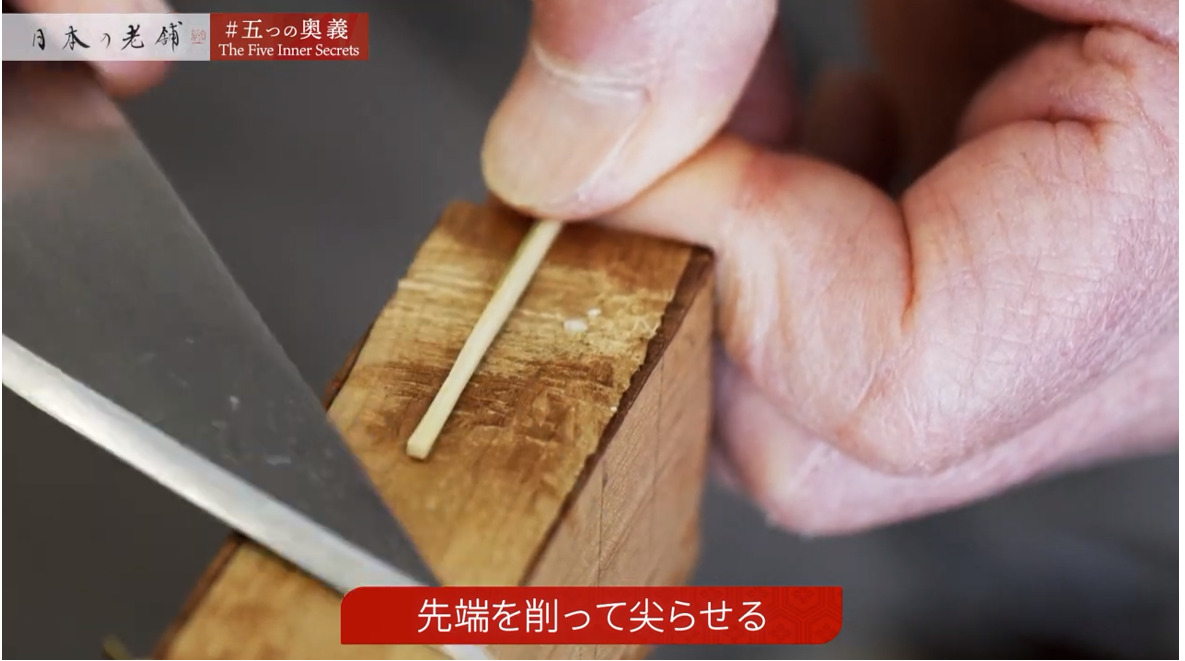
Among Saruya’s toothpicks, the “Kamikaku toothpick” is said to be the thinnest product shaved by hand. The craftsmen themselves manually cut a 2-centimeter-diameter kuromoji into 16 equal pieces. The tips are further sharpened with a blade to make them sharper and finer.

The eighth generation says, “It’s really hard to sharpen it straight. Because it is a soft material, it easily ripples depending on how much force is applied. In order to sharpen it straight, you have to avoid the striations, read the fibers, and sharpen it with your body. It is truly an extremely difficult craftsmanship.

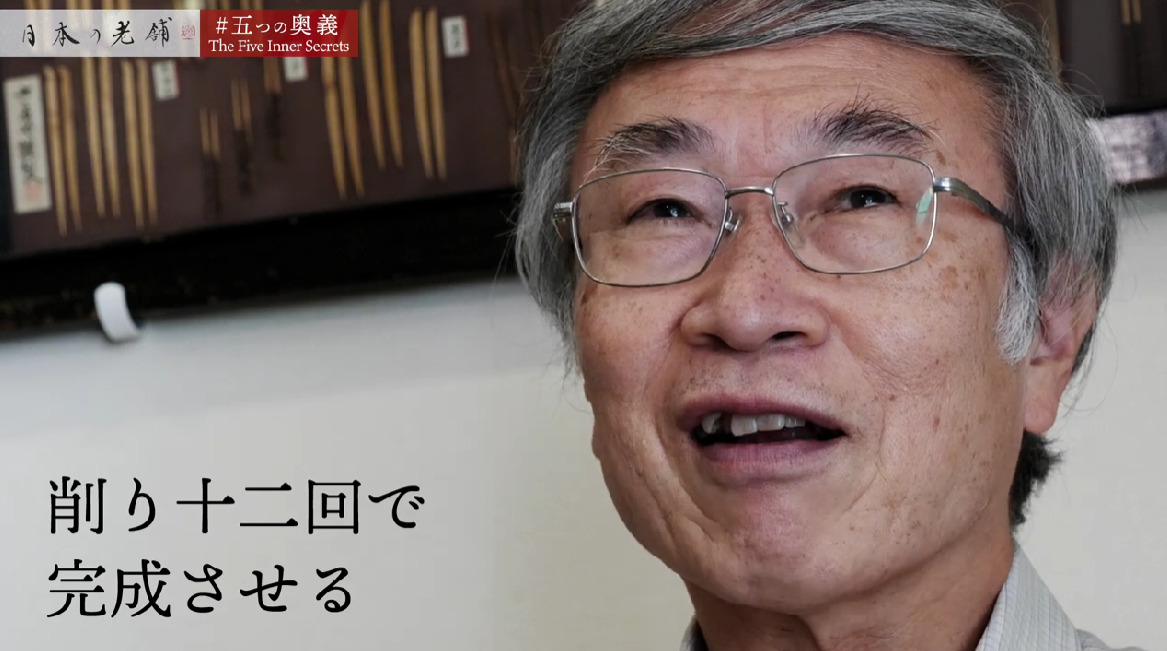
The five secrets of long-established shops, Part 3: A master craftsman completes a single upper corner toothpick in “Twelve Moves.

Kazuo Yamamoto says that he is a master at cutting with only a few times. He says that his goal is to complete his work in only twelve shavings. However, it is not easy for even the most skilled craftsman to achieve that number of times. There is no end to his diligent study.

Saruya’s craftsmen have devoted their lives to the challenge of mastering their skills.

The Five Secret Secrets of Long-established Businesses No. 4: Connecting history even if you are the last one standing

It is said that toothpicks came to Japan from China along with Buddhist ritual utensils during the Nara period (710-794). They were used as a tool to purify the inside of the mouth, and thus were one of the tools used in Buddhist rituals.

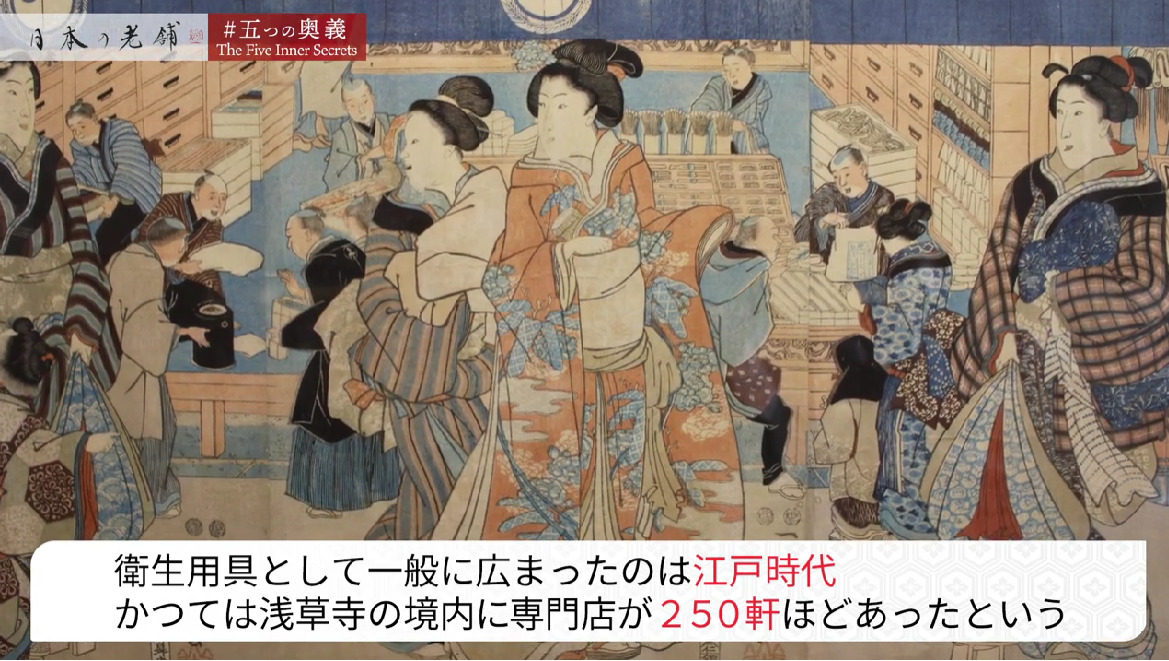
Toothpicks became popular as a hygiene tool during the Edo period (1603-1868). There used to be nearly 250 stores specializing in toothpicks in the precincts of Sensoji Temple. And all of those toothpick shops were called “saruya.

In an old document, it is said that “a monkey is a signboard for toothpicks because of its white teeth. It is said that this is how toothpick shops came to be called saruya.

As of 2023, this “Nihonbashi Saruya” is the only toothpick specialty store remaining from that time. The ninth generation is determined to continue the business somehow.

Five profound secrets of long-established businesses, Part 5: Deodorant mist and sake… Further possibilities for Kuromoji

Couldn’t we use the aromatic qualities of kuromoji for other purposes?

Based on this idea, KUROMOJI MIST was developed. It deodorizes the space and replaces it with the scent of Kuromoji.

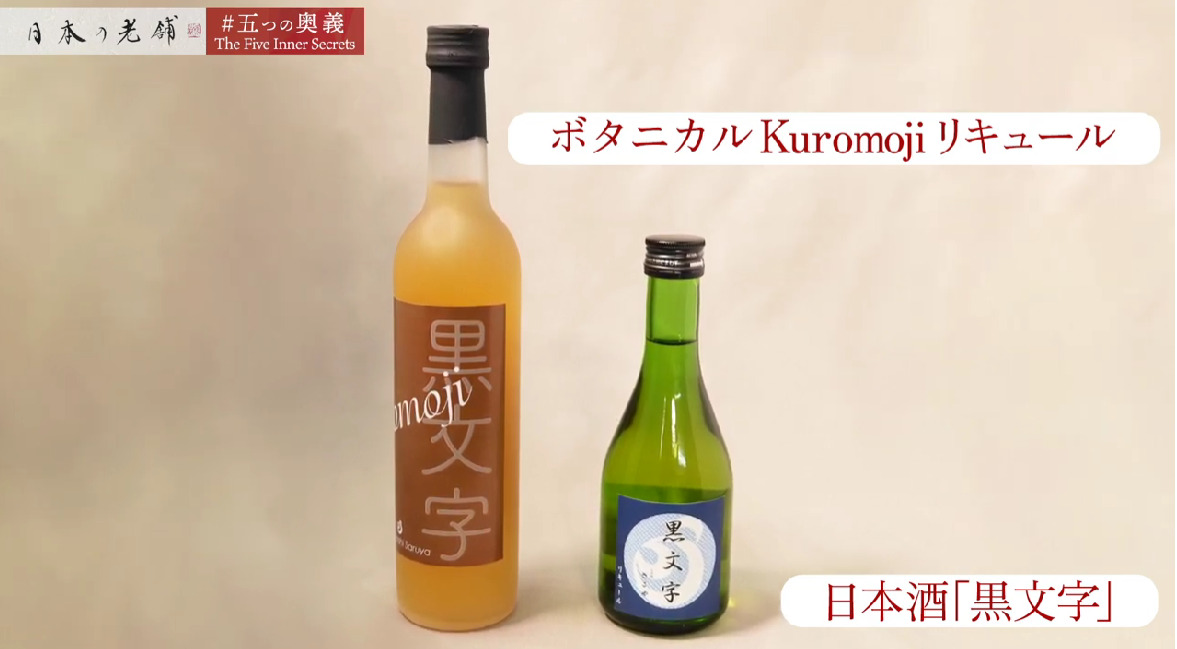
In addition, there are “Sake” innovations that were created to take advantage of the characteristics of Kuromoji. Botanical Kuromoji Liqueur” and “Japanese Sake ‘Kuromoji'”. Enjoying an evening drink while enjoying the fragrant aroma of Kuromoji will bring you a different experience.

What is the mission of a long-established company?

Today, there are fewer and fewer people becoming artisans and the population is aging. Ryota Yamamoto, the ninth generation, says, “I want to return profits to the makers. He speaks sincerely about his idea of “creators first,” including creating an environment where people can become artisans and still have enough to eat.

In addition, for the company to continue for a long time in the future, “I think it means listening carefully to customers’ opinions and continuing to produce products that do not betray their trust,” he said.

With straight eyes looking toward the future, the ninth generation spoke of his determination to do so.

Starmark Corporation

Bringing the best of Japan to the world Bringing the best of the world to Japan Bringing the best of tradition to the present Bringing the best of the present to tradition

For the video “The Five Secret Secrets: Nihonbashi Saruya Edition”, please click here.here (place close to the speaker or where the speaker is)from (e.g. time, place, numerical value, etc.)

新着・おすすめ情報

  1. What is “Nishiki-Tamago”? What is the origin of its name?

  2. 【人形町志乃多寿司總本店】季節限定「海老と春野菜のカラフル押し寿司」

  3. Tsukiji Honganji Temple

  4. Musashi Fuchu Kumano Shrine Tomb (Fuchu, Tokyo)

  5. Umezono “The Five Deep Secrets” video is now available.

  6. Hikarimono (sushi)

  7. Developing original materials with attention to detail, starting from the fabric. Shukusen, a long-established yukata manufacturer loved by kabuki actors in the Edo period [Part 2

  8. What is Dragon Boat Festival?

  9. 【豊島屋本店】「金婚 純米吟醸 江戸酒王子」”Kura Master”プラチナ賞受賞

  10. Nihonbashi (bridge)

  11. Kameido Funabashiya (Buy / Ryogoku/Kameido area) page is now open

  12. What is “Arabashiri”? Words related to Sake

  13. 【羽二重団子】パイナップル団子 販売開始

  14. skewered eel roasted and wrapped in fried egg

  15. Ginza Mikawaya