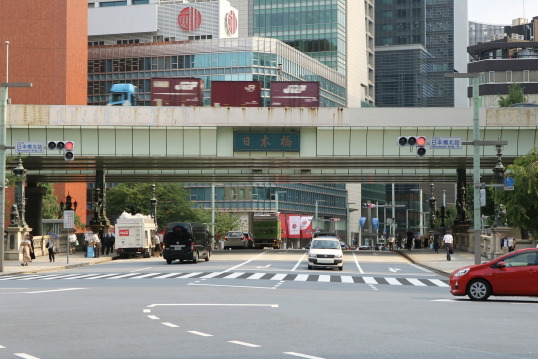
Nihonbashi (bridge)

historic siteNihonbashi (bridge)

(Nihon-bashi)

bridgestrolling on the streetimportant cultural property

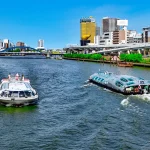
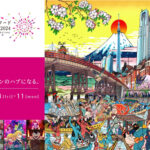
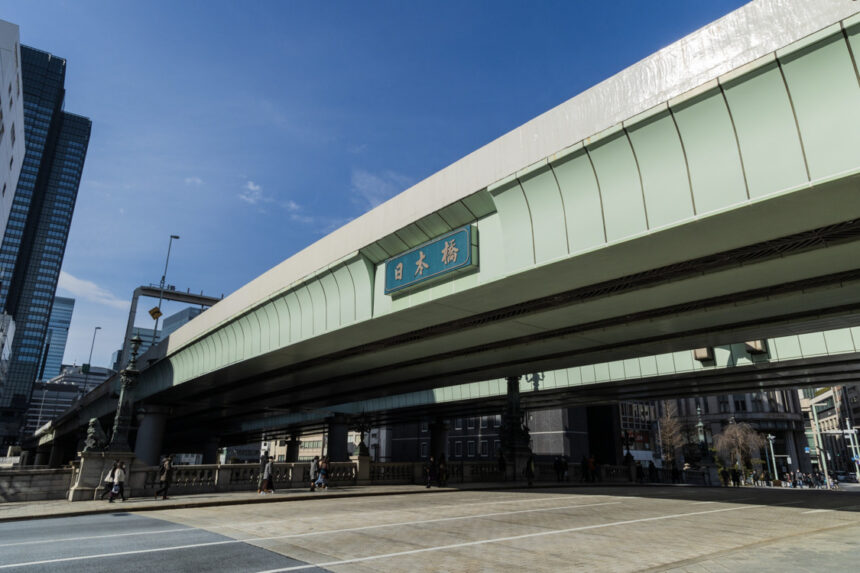
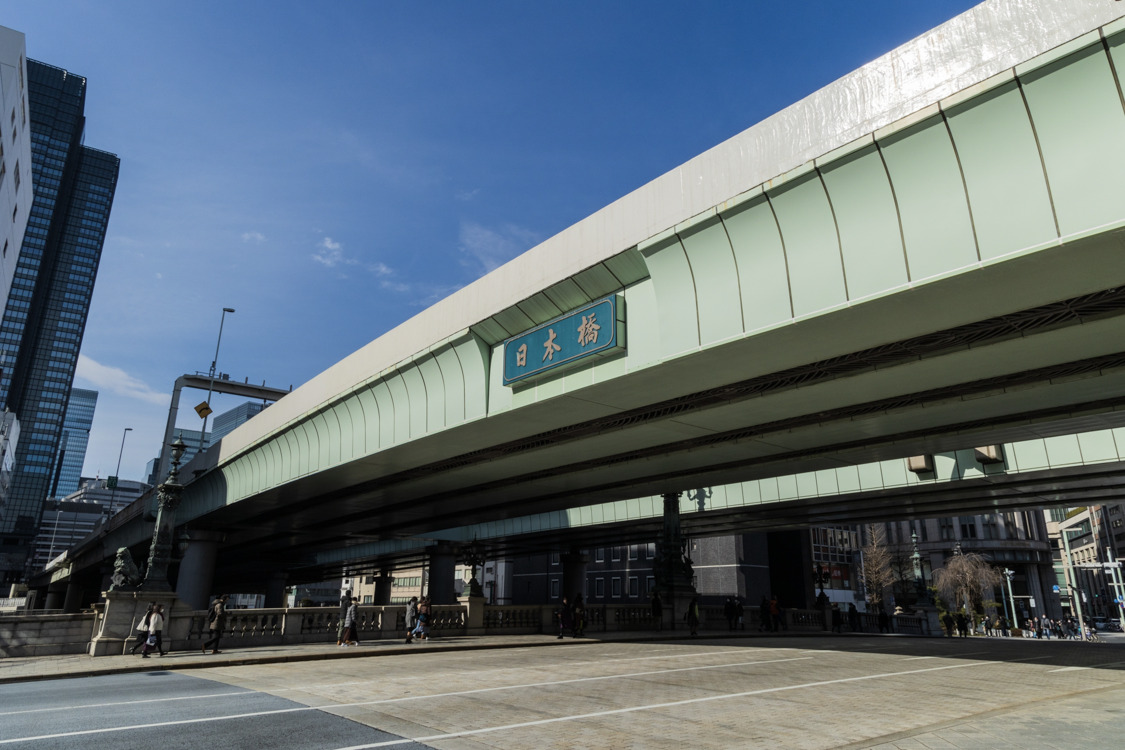
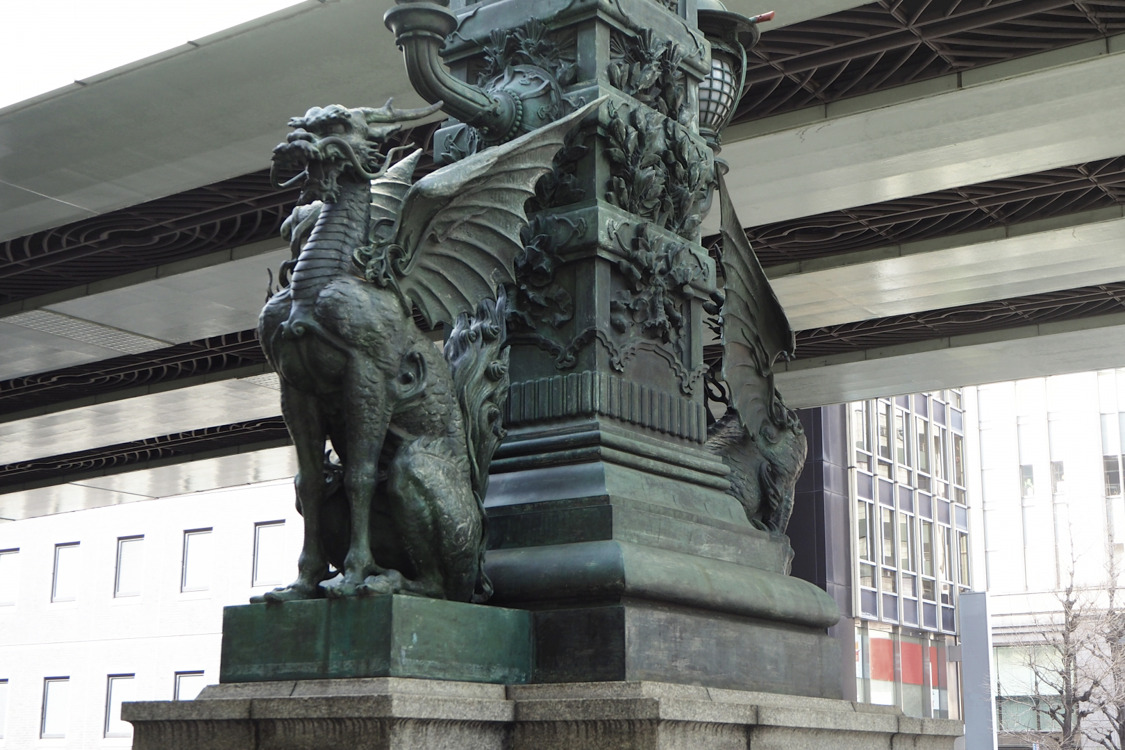
The bridge, designated as a National Important Cultural Property, spans the Nihonbashi River between Nihonbashi Muromachi 1-chome and Nihonbashi 1-chome in Chuo-ku, Tokyo. As the center of the city of Edo, many people came and went, but the bridge has been rebuilt many times due to fire and decay. The current Nihonbashi, a Renaissance-style stone arch bridge built in 1911, has a road marker in the center of the bridge as the starting point of the national highway. At the northern end of the bridge, a steel tower of the Tokyo City Road Marker is preserved. Cruise boats operate from the Nihonbashi Pier, offering visitors the opportunity to enjoy the view of Tokyo from the water.

Spot OutlineOutline

address (e.g. of house) Nihonbashi, Chuo-ku, Tokyo
Access 2 minutes from Subway Mitsukoshimae Station, 3 minutes from Subway Nihonbashi Station

Founding and opening of business 1603 (Keicho 8)

新着・おすすめ情報

  1. What is “Arabashiri”? Words related to Sake

  2. half-width obi (kimono sash)

  3. Was Kimuraya Fuhonten’s Anpan Created by “Painful Measures”? 150 years of history of trial and error

  4. Sugamo Koshinzuka (Sugamo, Tokyo)

  5. The history is more than 670 years old. Shioze Sohonke”, the creator of “sweet Japanese buns” with a grand history.

  6. Akatsuka Fudo Falls (Takashimadaira, Tokyo)

  7. Suka Shrine (the outer shrine of Ise Shrine)

  8. Definitions of “Daiginjo-shu” and “Junmai Daiginjo-shu” [Words Related to Sake].

  9. straight sword

  10. Zojoji Temple

  11. Gansenen Park (Waseda, Tokyo)

  12. Ruins of Otama-ga-ike Pond

  13. Denmacho Prison Residence Site (Jushikouen)

  14. An arrow wheel is a windmill attached to the pole of a carp streamer. What is the meaning of the sound of its spinning?

  15. They also restore ancient musical instruments used in traditional performing arts. Okadaya Fuse’s Struggle to Preserve Traditional Japanese Culture