Where does “Mikosui” come from? What are its characteristics? Words related to sake

Sake & Tea

Where does “Mikosui” come from? What are its characteristics? Words related to sake(Gokousui)

Japanese rice wine

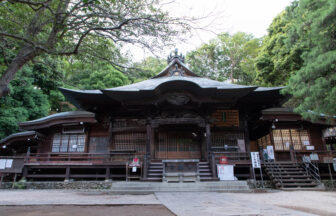
Spring water located in the precincts of Mikamiya Shrine in Fushimi-ku, Kyoto City, Kyoto Prefecture. It also refers to the underground water in Fushimi Ward, Kyoto City, where sake brewing has flourished since around the Edo period. The water quality in this area tends to be soft and has a sweet taste that goes down the throat. For this reason, sake from Fushimi tends to have a sweet taste, which is why it was called “Fushimi no Onna-shu” (Fushimi’s sake for women) as opposed to “Nada no Otoko-shu” (Nada’s sake for men). There are six wells at Mikamiya Shrine from which sake is made. Fushimi no Mikousui” was selected as one of the 100 best waters in Japan.

新着・おすすめ情報

  1. Zojoji Temple

  2. What is “Nishiki-Tamago”? What is the origin of its name?

  3. Why Sarashina Soba is pure white? Pride in preserving the traditional Sarashina Soba with Onshochi Soba Soup and traditional Sarashina Soba Noodles

  4. 【第13回】江戸で蕎麦が流行って定着した理由

  5. Toshimaya Shuten] Slightly sparkling Junmai Usunigori Nama Sake “Aya” is now on sale with a summer-only label!

  6. Manju, Monaka, Daifuku, etc.: Manners for Eating Wagashi without Worrying about Public Appearances Anymore

  7. What to do on the far shore for ancestor memorial services? What to wear, what to bring, and what to do on the day of visitation.

  8. What is the difference between “Ginjo-shu” and “Junmai Ginjo-shu”? Words related to sake

  9. A Walk in Edo with Old Maps] No. 2: Kyobashi and Ginza from the Edo Period to the Heisei Era Traced by Rivers

  10. Gansenen Park (Waseda, Tokyo)

  11. lay or stretch out to dry

  12. A Walk in Edo with Old Maps] No. 6: Kagurazaka is full of historical attractions. From alleys where you can feel the Edo period to wooden buildings of the Showa period

  13. Hikarimono (sushi)

  14. single pattern on the entirety of a garment

  15. Tsutanoya” was established in 1937 and supports Japan’s fish-eating culture with its delicious taste. What is “Kyoka-zuke”, an evolution of Saikyo-zuke?