piece placed to block opponent’s check (shogi)

puppet

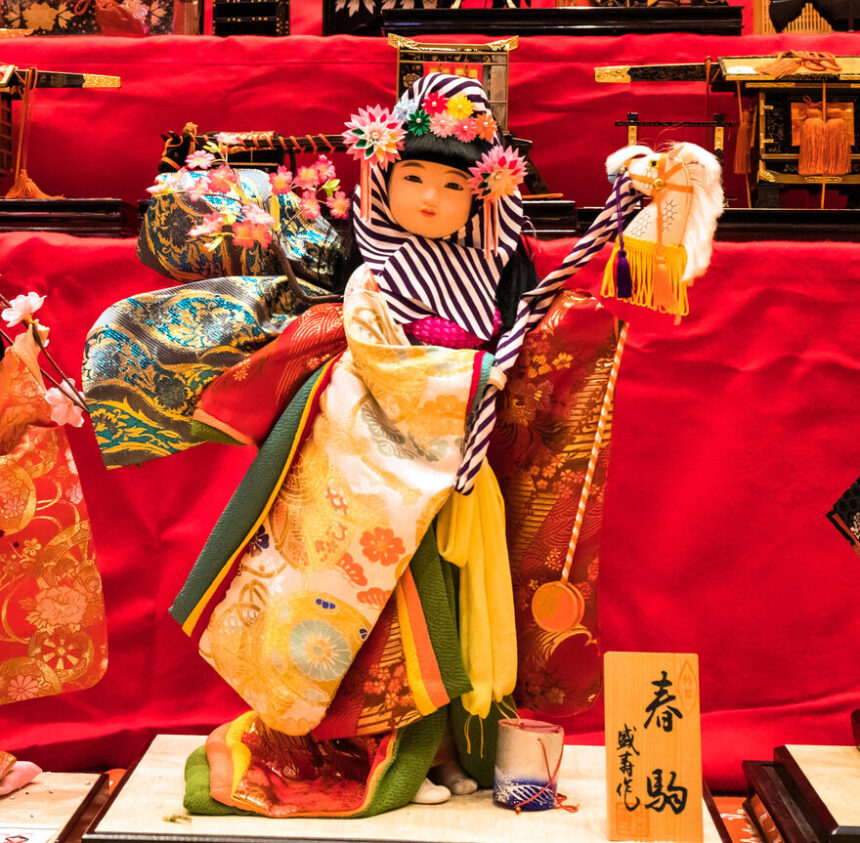
piece placed to block opponent’s check (shogi)(Harukoma/Harukoma)

New Year

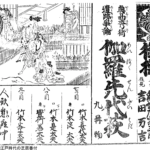
Hariko (papier-mâché. A toy in which a horse’s head, made with a frame made of bamboo or wood, or a mold made of clay and pasted with Japanese paper, is attached to the body of a stick with a wheel at the other end. Children’s New Year’s plaything. The art of “kadozuke” (going from house to house with a harukoma) became popular around the middle of the Edo period (1603-1867), and is still practiced as a folk art in Sado City, Niigata Prefecture, and Koshu City, Yamanashi Prefecture. There are many dancing dolls, court dolls, and feather boards depicting children and women carrying harukoma.

新着・おすすめ情報

  1. marks indicating the Japanese meaning of the texts of Chinese classics

  2. Kimono can be re-tailored and reused as a haori or obi. Kimono is the ultimate SDGs costume.

  3. Itsukaichi Constitution Draft Monument (Akiruno, Tokyo)

  4. Inheriting the craftsmanship of making each toothpick one by one. Commitment to “Nihonbashi Saruya,” the only toothpick specialty store in Japan

  5. Manju, Monaka, Daifuku, etc.: Manners for Eating Wagashi without Worrying about Public Appearances Anymore

  6. black formal kimono with designs along the bottom of the skirt worn by married women on ceremonial occasions

  7. 【第5回】東京から静岡へ 蕎麦店の系譜と受け継がれる蕎麦作りの伝統

  8. Why is the oak in “Kashiwa-mochi” said to symbolize the prosperity of descendants?

  9. rolled sushi with rice and other ingredients

  10. What is the “rank of kimono” that kimono beginners have trouble thinking about?

  11. 京都でも最古の歴史を持つ「松井酒造」。日本酒づくりを軸に展開する、革新的な取り組み

  12. Tokyo National Museum

  13. To make Japanese “tea culture” widely known. Flexibility of “Gyokuho-Do” to change with the times.

  14. Enjyoji Temple (Hakusan, Tokyo)

  15. Where does the name “Sakura Denbu” come from? How is it made?