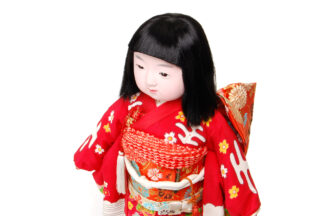
What is the origin of the name “Yamato Doll”? What kinds of dolls are there?

puppet

What is the origin of the name “Yamato Doll”? What kinds of dolls are there?(Yamato Ningyo/Yamatoningyo)

traditional craft

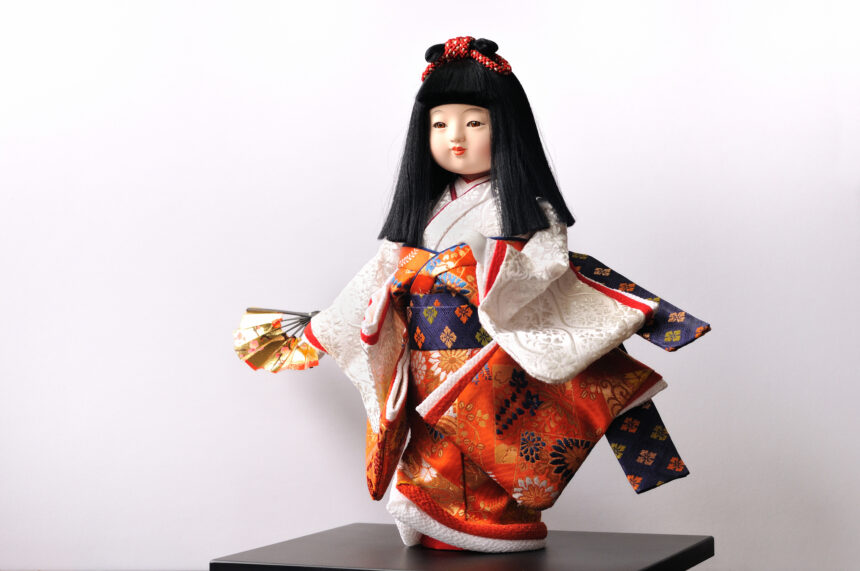
Japanese dolls in the form of a child, whose arms and legs can be bent, seated, and dressed in different costumes (kimonos), are made in various parts of Japan. They are made in various parts of Japan, and well-known examples include “naked dolls” made in the early Edo period, “Ichima dolls” and “three-fold dolls,” which were popular in the Kansai region. It was not until 1935 that the term “Yamato ningyo” was coined for these dolls. 12,000 dolls were sent from the U.S. in 1927 as a gift for international goodwill, and in return the U.S. sent dolls with okappa heads and dressed in furisode (long-sleeved kimono). At that time, a standard name for dolls in children’s clothing was needed, and the name “Yamato ningyo” was selected, proposed by the Society for the Study of Japanese Dolls.

新着・おすすめ情報

  1. Shimbashi Tamaki-ya has been in business for 240 years, and serves everything from tsukudani (food boiled in soy sauce) to glaces to add color to Japanese and Western dining tables with its “Hikiku, Gentle, and Warm” service.

  2. A gem loved by literary giants! What is the charm of “Haniage Dango,” the ultimate in simplicity?

  3. sand pit

  4. Smoked Saikyo pickles have evolved into a snack for alcoholic beverages. The insatiable spirit of challenge at the long-established “Tsuta-no-ie

  5. Enjyoji Temple (Hakusan, Tokyo)

  6. Anyone can do it by themselves! Basic yukata dressing – women’s version

  7. Ubukeya is a knife store specializing in kitchen knives, scissors, and hairpins. The ultimate “sharpening” that even makes a paper-cutting artist say, “It’s so sharp, I’m in trouble!

  8. What innovations have been made at Nimben, a 321-year-old dried bonito flakes business?

  9. Zen monk, 1200-1253

  10. Tips for choosing a restaurant and points to consider for a successful business dinner

  11. Why Sarashina Soba is pure white? Pride in preserving the traditional Sarashina Soba with Onshochi Soba Soup and traditional Sarashina Soba Noodles

  12. 【第16回】江戸蕎麦の流儀〜蕎麦の洗い方編〜

  13. Tsutanoya” was established in 1937 and supports Japan’s fish-eating culture with its delicious taste. What is “Kyoka-zuke”, an evolution of Saikyo-zuke?

  14. Meishu no Taki Park (Oji, Tokyo)

  15. eel-liver soup