sand pit

Soba/Udon

sand pit(sunaba)

Osakacardamom (Elettaria cardamomum)bush

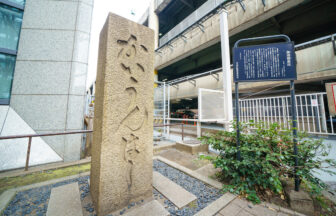
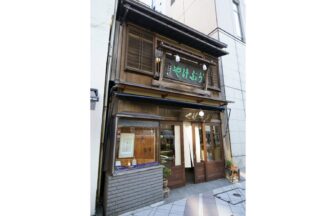
The three families of soba born in the Edo period are Sarashina, Yabu, and Sunaba. Sunaba originated in Osaka. During the construction of Osaka Castle, a shopping area was built near a sand yard. This area was commonly known as Sunaba, and the soba shops that set up store there came to be called Sunaba. It was in the middle of the Edo period that they moved to Edo. It opened in Koji-machi as “Koji-machi 7-chome Sunaba Fujikichi,” and now it has moved to Minami-Senju and is operating as “Sunaba Sohonke. The “Muromachi Sunaba,” from which it was split, is known as the originator of “tenzaru” and “tenmori” soba. Originally, Sunaba Soba was mainly served on delivery, and its characteristic sauce was sweet and thick so that it would not be too spicy when soaked in dry soba.

新着・おすすめ情報

  1. Railroad starting point 0 leagues sign (Shinbashi, Tokyo)

  2. A Walk in Edo with Old Maps] No. 1: Traces of Ieyasu’s Urban Development and Precious Buildings in Marunouchi

  3. Kanto style and Kansai style (broiled eel)

  4. vertical or granny knot

  5. Improving operations is the only way to face customers. What Ginza Mikawaya, a long-established Western-style restaurant in Ginza, values

  6. What is “moromi”? Words related to sake

  7. Meaning of “Unaju” and “Unadon”. What’s the difference?

  8. Eagle Shrine

  9. What does “Sarashina (soba)” mean and where did it originate?

  10. Old Furukawa Garden (Komagome, Tokyo)

  11. glutinous rice steamed with red beans or some other ingredient

  12. We don’t stick to tsukudani alone. They are also introducing Western flavors and expanding their sales channels. The Challenge of Shimbashi Tamakiya

  13. 【第2回】美味しい蕎麦屋を見分けるコツは、お客様の「姿勢」を見ること

  14. Anyone can do it by themselves! Basic yukata dressing – men’s version

  15. Setagaya Joshi Park (Setagaya, Tokyo)