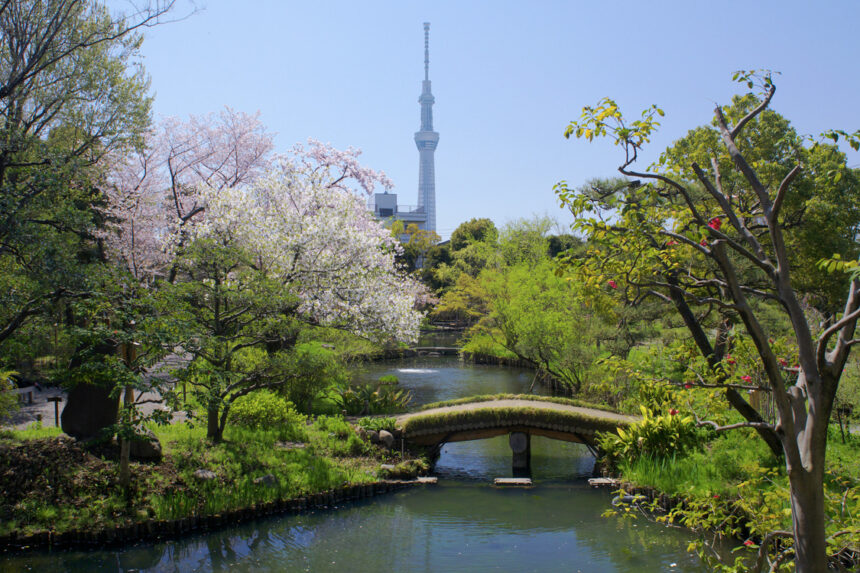
Mukojima Hyakkaen

Parks & GardensRyogoku/Kameido

Mukojima Hyakkaen(Mukojima-Hyakkaen Gardens)

photo spotBuddhist templehistoric sitetemples and shrinescultural property

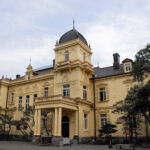
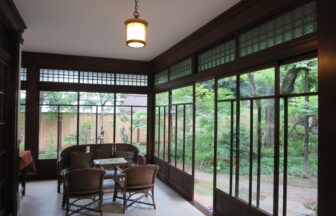
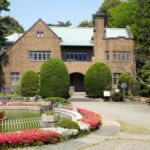
During the Bunka-Bunsei period, when the culture of the Edo townspeople was in full bloom, Sawara Ballikyu, an antique dealer, opened this garden with the cooperation of writers and artists with whom he had exchanged ideas. It was created as a “private garden” for viewing flowers and plants on the site of the former residence of the Taga family, the Hatamoto (feudal lord). When the garden first opened, 360 plum trees were planted, and it was called “Shin Umeyashiki” after the Ume-yashiki in Kameido, and later “Hyakkaen” when flowers were planted throughout the four seasons. In addition, visitors can enjoy viewing seasonal flowers such as wisteria trellises and the seven flowers of spring, summer, and fall. The area is also known as the site of the Sumida River Seven Gods of Good Luck, and is famous for its traditional events such as the “Mushiki-no-kiki-e”, “Tsukimi-no-kai”, and “Hagi Matsuri” (Hagi Festival).

Spot OutlineOutline

address (e.g. of house) 3-18-3 Higashimukojima, Sumida-ku, Tokyo
Access 8-minute walk from Higashimukojima on the Tobu Railway, 13-minute walk from Keisei Hikifune Station on the Keisei Line, 2-3 minute walk from Hyakkaen-mae bus stop.

phone 03-3611-8705
Business Hours 9:00-17:00 (admission until 16:30)
regular closing day Year-end and New Year holidays (December 29 – January 3)
External Links

Official Web Site

Founding and opening of business 1939 (Showa 14)

新着・おすすめ情報

  1. being badly influenced by

  2. Daenji Temple (Meguro, Tokyo)

  3. What innovations have been made at Nimben, a 321-year-old dried bonito flakes business?

  4. Tips for enjoying “summer kimonos” in a cool and fashionable way.

  5. Manners for visiting shrines and temples: money offering, how to pray, how to get a red seal, etc.

  6. Mukozuke” is served at the beginning of kaiseki cuisine. What is the origin of its name?

  7. straight sword

  8. condition of health

  9. 【第23回】蕎麦屋店主が考える真の蕎麦「通」の定義

  10. Manners Related to Tea: How to Make and Serve Delicious Tea, and Manners for Receiving Tea

  11. Itsukaichi Constitution Draft Monument (Akiruno, Tokyo)

  12. What is kaiseki ryori? What is the difference between kaiseki ryori and kaiseki cuisine, and which is eaten at a tea ceremony?

  13. 【第18回】古くから食べられてきた「そばがき」の作り方

  14. How were “Fresh Pack” and “Soup Stock” born? The source of the idea of the long-established dried bonito flakes shop “Nimben

  15. 【イベント開催】豊かな自然と伝統のまち与謝野町で非日常の体験