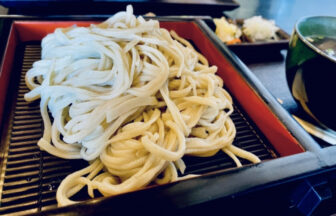
soba noodles eaten on New Year’s Eve

Soba/Udon

soba noodles eaten on New Year’s Eve(Engirisoba)

New Year’s Eve

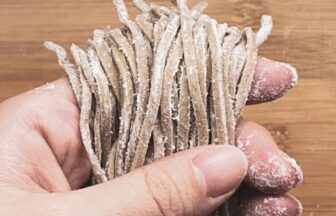
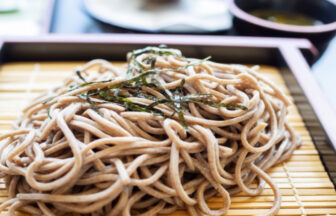
This is the common name for New Year’s Eve soba (buckwheat noodles), which is eaten on New Year’s Eve. Since soba is one of the easiest noodles to slice, it is said that the name “New Year’s Eve Soba” was derived from the wish to cut off the year’s hardships and misfortunes. The custom of eating soba on New Year’s Eve originally spread among the general public during the Edo period (1603-1867). At that time, the most common type of buckwheat was made from buckwheat flour alone, without wheat flour or other binders, which made it easier to tear into pieces. In the same sense, it is also called “nenkiri soba.

新着・おすすめ情報

  1. Katsusenji Temple (Kitasenju, Tokyo)

  2. Okunitama Shrine (Fuchu, Tokyo)

  3. The 2nd “Sake Samurai”s Tour of Tokyo’s Long-established Sake Breweries with Yuki Aoi

  4. 【第18回】古くから食べられてきた「そばがき」の作り方

  5. Smoked Saikyo pickles have evolved into a snack for alcoholic beverages. The insatiable spirit of challenge at the long-established “Tsuta-no-ie

  6. 大塚天祖神社(東京・大塚)

  7. Anyone can do it by themselves! Basic yukata dressing – women’s version

  8. Sword eyelets become one-of-a-kind accessories. Nihon Katana, a long-established store specializing in swords that you can enjoy even if you are not an enthusiast.

  9. Sugamo Koshinzuka (Sugamo, Tokyo)

  10. Points to keep in mind when going out on a rainy day. Handling of umbrellas, considerations on trains and visiting places, etc.

  11. Kansai-style sushi (esp. pressed sushi, such as battera)

  12. Gokokuin Taisenji Temple (Meguro Fudo Temple)

  13. Koyasan Tokyo Betsuin (Takanawa, Tokyo)

  14. Manju, Monaka, Daifuku, etc.: Manners for Eating Wagashi without Worrying about Public Appearances Anymore

  15. short sword