

temple (Buddhist)Asakusa (department store)
Katsusenji Temple (Kitasenju, Tokyo)(Shousenji Temple)
thousand-armed Goddess of MercywalkJodo (sect)Akamon TempleYama (king of the world of the dead, who judges the dead)
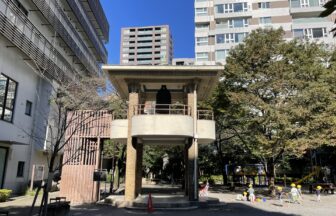
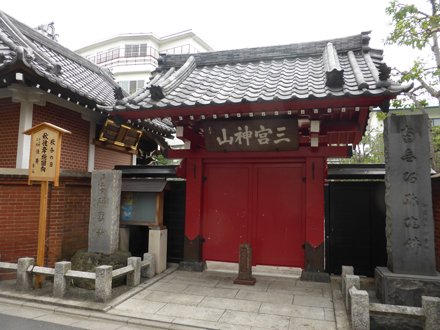
It is a temple of the Jodo sect, with Chion-in Temple in Kyoto as its head temple, built in 1260. During the Edo period (1603-1868), the temple became strongly connected with the Tokugawa family, with Hidetada using the temple as a resting place for hawkers and Iemitsu stopping by the teahouse on the temple grounds, and a temporary palace was built in Ietsuna’s place. The main hall, built in 1906, is said to have been modeled after an Indian temple, and is made of concrete and red brick. The temple is also famous for housing many Adachi Ward registered tangible cultural properties, including a standing wooden statue of Senju Kannon, which is said to have given Senju its name; a plaque reading “Sangu-kamiyama,” which was hung to commemorate the Emperor Meiji’s pilgrimage to Katsusenji Temple; and a vermilion-painted wooden seated image of King Enma. Photo courtesy of (C) Adachi Sightseeing Net
Spot OutlineOutline
| address (e.g. of house) | 2-11 Senju, Adachi-ku, Tokyo |
|---|---|
| Access | 5 minutes from JR Kitasenju Station |
| phone | 03-3881-2358 |
| Business Hours | 9:00~17:00 |
| Founding and opening of business | 1260 (Bun’ou first year) |