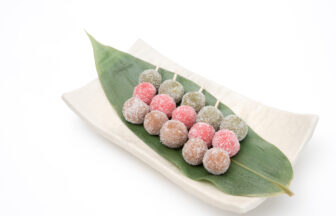
Kansai-style sushi (esp. pressed sushi, such as battera)

sushi

Kansai-style sushi (esp. pressed sushi, such as battera)(kansaizushi)

fermented sushi (pickled in brine rather than vinegar)fermentation

This type of sushi spread from the Kansai region to the rest of Japan long before the birth of Edomae-zushi, the prototype of nigirizushi. Nare-zushi, the origin of sushi, is made by lacto-fermenting fish with salt and rice. The oldest known nare-zushi in Japan is “funa-zushi” from Shiga Prefecture. Later, in the Muromachi period (1336-1573), box sushi and oshizushi, in which rice and ingredients are laid out in a wooden box, were born. From there, various forms of sushi such as stick-zushi and maki-zushi gradually emerged and came to be known collectively as “Kansai-zushi. The rice of Kansai-zushi is made with more sugar than that of Edomae-zushi, and is characterized by a stronger sweetness than that of Edomae-zushi. Boxed sushi and oshizushi are often used as lunchboxes for theatrical performances and picnics, and it is believed that this was done so that the sushi would not dry out over time and remain tasty.

新着・おすすめ情報

  1. When should I send out my summer greeting cards in 2023? Is it OK to send it by e-mail? Common sense and examples of sentences you should know

  2. Former Residence of Soseki Natsume (Cat’s House)

  3. Musashi Fuchu Kumano Shrine Tomb (Fuchu, Tokyo)

  4. Koishikawa Botanical Garden

  5. 浅草

  6. Togenuki Jizoson Takaiwanji Temple (Sugamo, Tokyo)

  7. clothing (e.g. kimono) decorated with one’s family crest

  8. Enjyoji Temple (Hakusan, Tokyo)

  9. Tokyo Grand Shrine

  10. Interview with Kotaro Ishikawa of Ishikawa Tortoiseshell Works, a company that connects traditional Edo tortoiseshell techniques and further promotes the Edo Tokyo brand .

  11. Honshiba Park (Tamachi, Tokyo)

  12. Hoonji Temple (Kinshicho, Tokyo)

  13. Chomeiji Temple (Mukojima, Tokyo)

  14. 【第11回】江戸時代に生まれた「かけそば」の起源

  15. What is kaiseki ryori? What is the difference between kaiseki ryori and kaiseki cuisine, and which is eaten at a tea ceremony?