Koishikawa Korakuen

Parks & GardensOchanomizu, Yushima, Korakuen

Koishikawa Korakuen(Koishikawa Korakuen Gardens)

cherry blossom viewingpicnicleaves changing color (colour)

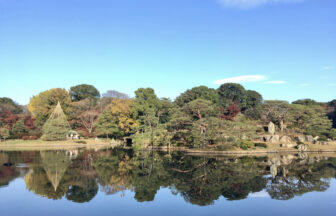
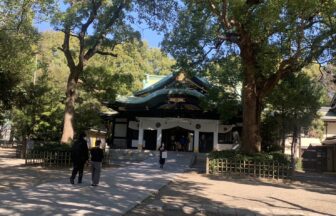
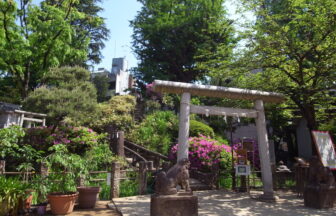
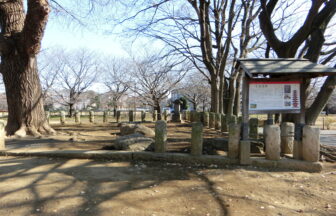
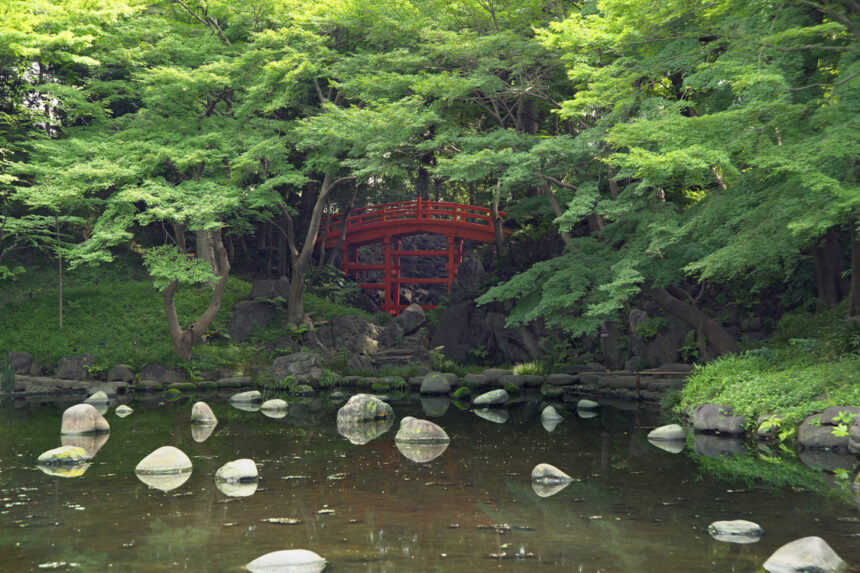
This garden was created in 1629, in the early Edo period, by Yorifusa Tokugawa, the first lord of the Mito Tokugawa family, and completed by Mitsukuni, the second lord of the Mito Tokugawa family. It is the oldest feudal lord’s garden completed in the Edo period, and is designated as a Special Historic Site and a Special Place of Scenic Beauty by the national government. Based on Mitsukuni’s Confucian philosophy, the opinions of the Ming Confucian scholar Chu Shun-sui were incorporated into the garden, and the Chinese taste is evident throughout the landscape. The name of the garden, “Korakuen,” was also derived from Chinese teachings. The garden is a kaiyushiki style garden with a large fountain that imitates Lake Biwa, and mountains, rivers, and rice paddies that resemble scenic spots in various regions are skillfully expressed in the garden. Weeping cherry trees over 60 years old and the Engetsu Bridge, which looks like a full moon when reflected on the water, are also highlights of the garden.

Spot OutlineOutline

address (e.g. of house) 1-6-6 Koraku, Bunkyo-ku, Tokyo
Access 5 min. from JR Suidobashi Station, 8 min. from Subway Suidobashi Station, 8 min. from JR and Subway Iidabashi Station, 6 min. from Subway Korakuen Station
3 minutes from Subway Iidabashi Station, 8 minutes from JR Iidabashi Station and Suidobashi Station, 8 minutes from Subway Iidabashi Station and Korakuen Station

phone 03-3811-3015
Business Hours 9:00-17:00 (admission until 16:30)
regular closing day Year-end and New Year holidays (December 29 – January 1)
External Links

Official Web Site

Founding and opening of business 1938 (Showa 13)

新着・おすすめ情報

  1. just after fall

  2. Katsusenji Temple Enma Opening in Kitasenju! A New Year’s tradition with stalls on the first Enma day

  3. 【第6回】9月に当店で「生姜切りそば」を出す理由

  4. bush

  5. To preserve traditional culture, we also consider the treatment of craftsmen. What does the long-established “Edoya” think of “succession”?

  6. What does “Oyako” mean? Hina Dolls

  7. What are the roles of the “three courtesans”? What do each of them bring with them?

  8. Tokyo Station Marunouchi Station Building

  9. well-established

  10. Where does “Mikosui” come from? What are its characteristics? Words related to sake

  11. very common way of tying a woman’s kimono sash

  12. The 2nd “Sake Samurai”s Tour of Tokyo’s Long-established Sake Breweries with Yuki Aoi

  13. Koishikawa Botanical Garden

  14. yukata (light cotton kimono worn in the summer or used as a bathrobe)

  15. one-piece sash