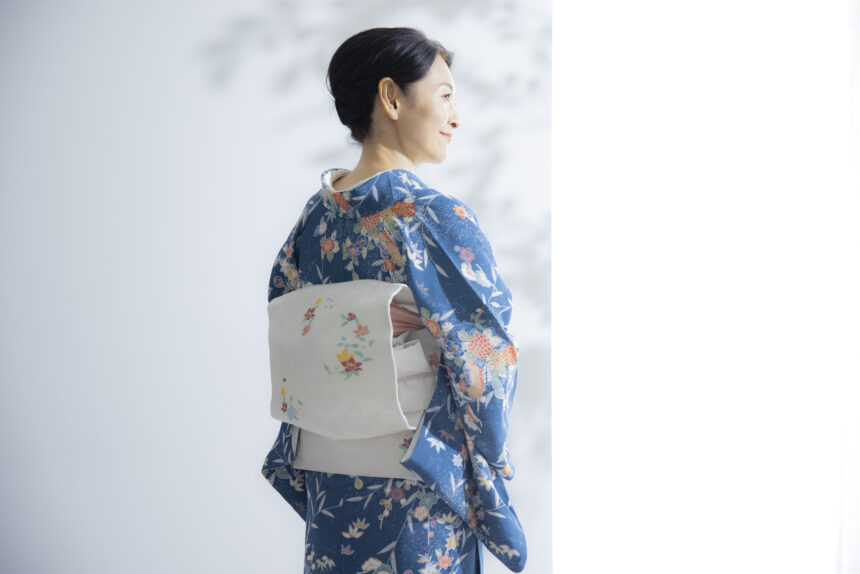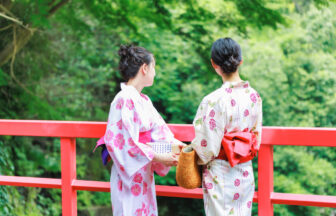
very common way of tying a woman’s kimono sash

Japanese clothing

very common way of tying a woman’s kimono sash(otaikomusubi)

Japanese clothesclothing

One of the ways to tie a woman’s obi. The square area on the back is the “o-daiko,” which is called “niju-daiko” because there are two layers of fabric at the o-daiko when tied with a round or double-breasted obi, and “ippu-daiko” because there is only one layer of fabric with a Nagoya obi. This is the most popular way of tying the obi, and can be done regardless of age, marital status, or marital status. The origin of the name “o-taiko” dates back to the Edo period. It is said that when the Kameido Tenjin drum bridge was rebuilt, the obi tied by geisha looked like a “taiko bridge,” hence the name.

新着・おすすめ情報

  1. Oji Shrine (Oji, Tokyo)

  2. Zuijin” is a male doll that serves as an escort for O’naira-sama [Hina Dolls].

  3. 【第13回】江戸で蕎麦が流行って定着した理由

  4. Yagenbori Fudoin (Nihonbashi, Tokyo)

  5. What is the meaning behind the three colors of “Hishimochi”? Hina Doll Decorations

  6. 【第14回】江戸蕎麦の流儀〜道具立て編〜

  7. Old Furukawa Garden (Komagome, Tokyo)

  8. mound containing a monument to Shomon (i.e. a place of scenic beauty)

  9. What does a “prop maker” do? The Craftsman Who Creates Puppets Series

  10. Chomeiji Temple (Mukojima, Tokyo)

  11. Former Mikawashima sewage disposal pumping facility (Arakawa, Tokyo)

  12. semi-formal kimono for women

  13. Nitta Shrine (Musashishinden, Tokyo)

  14. Developing original materials with attention to detail, starting from the fabric. Shukusen, a long-established yukata manufacturer loved by kabuki actors in the Edo period [Part 2

  15. Suddenly, at the age of 25, he became the president of the company. Steps of the 8th generation of “Nihonbashi Benmatsu Sohonten,” Japan’s oldest bento shop.