Ruins of Ooka Echizenmamori Tadasada’s villa

historic siteturf

Ruins of Ooka Echizenmamori Tadasada’s villa(Ōokaetsizennokamitadasuke Yashikiato)

period drama

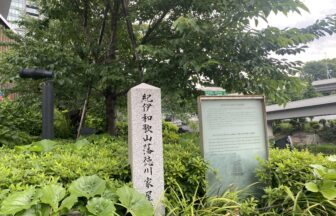
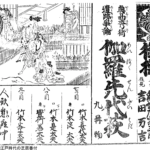
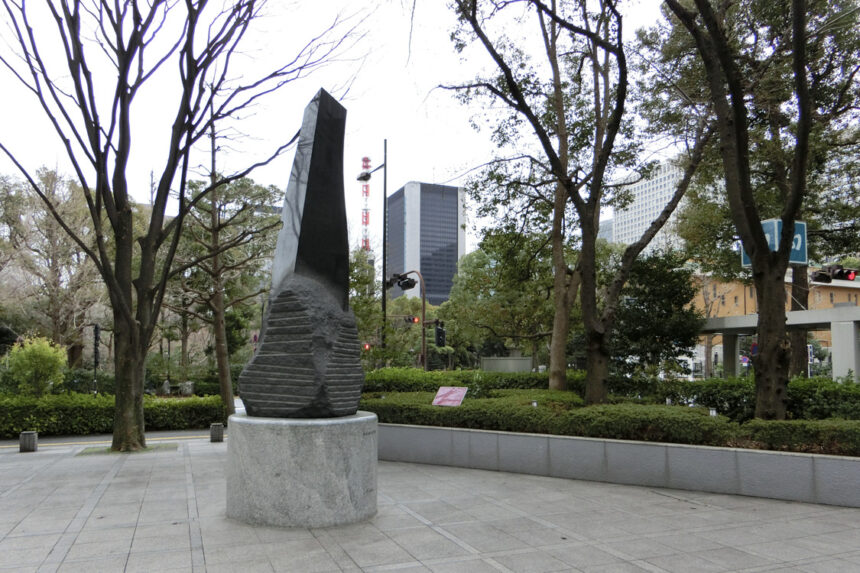
The area around the Lawyers’ Hall, which stands on the south side of Hibiya Park, was the residence of Ooka Echizenmori Tadasami (1677-1751), a famous magistrate in the Edo period, who lived there in his later years. Tadaso became Edo magistrate in 1717, a year after Yoshimune Tokugawa became the 8th shogun of the Edo Shogunate, and assumed the title of Echizen-mamoru. He was trusted by Yoshimune and served in this position for about 20 years, devoting himself to fair trials. In later years, his activities were dramatized in kodan, rakugo, and plays, and became widely known. Today, only a signboard stands in the vicinity, but there are buildings related to legal affairs, such as a courthouse and the Ministry of Justice, as if to commemorate the legacy of Tadasama.

Spot OutlineOutline

address (e.g. of house) 1-1 Kasumigaseki, Chiyoda-ku, Tokyo
Access 1 min. from Kasumigaseki Subway Sta.

Founding and opening of business Mid-Edo period

新着・おすすめ情報

  1. 【第12回】「手打ち」というだけで蕎麦は美味しいわけではない

  2. The soul of the craftsman resides in the old-fashioned production method. The long-established comb shop “Juso Yakushi Ten” that produces the one and only boxwood comb.

  3. 吉原神社(東京・三ノ輪)

  4. Hie Shrine (in Kyoto)

  5. Koishikawa Korakuen

  6. Manju, Monaka, Daifuku, etc.: Manners for Eating Wagashi without Worrying about Public Appearances Anymore

  7. fried dough cake

  8. Togenuki Jizoson Takaiwanji Temple (Sugamo, Tokyo)

  9. Bank of Japan

  10. Fuzoku ningyo” are dolls that reflect the customs of various regions in Japan. There are Edo genre dolls, Kyoto dolls, etc.

  11. fresh Western sweets (usu. containing cream or fruit, e.g. sponge cake, pie)

  12. Atago Shrine

  13. Old Furukawa Garden (Komagome, Tokyo)

  14. Kakurinji Temple (Shirokanedai, Tokyo)

  15. A Walk in Edo with Old Maps] No.5: Traces of Edo Remain Strong in “Differences in Elevation” and “Town Names” in Ushigome and Ichigaya