fresh Western sweets (usu. containing cream or fruit, e.g. sponge cake, pie)

Japanese confectionery

fresh Western sweets (usu. containing cream or fruit, e.g. sponge cake, pie)(NAMAGASHI)

swallowing a great amount of tea or medicinemanjuu

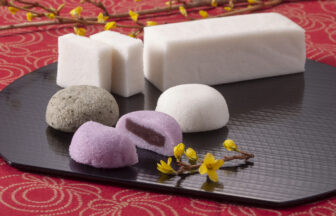
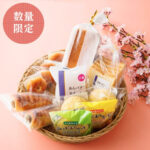
Nama-gashi refers to Japanese confectioneries such as Daifuku and Manju with red bean paste, which are moist and do not last long. They are categorized into steamed products such as manju and karukan, kneaded products such as kneaded dough and kinton, neck-shaped products such as yokan and uiro, baked products such as monaka and kintsuba, and rice cakes such as daifuku, chimaki, and gyuuhi.

Rice cakes such as daifuku and dango are called “morning confections” because their starch becomes hard after a long time, and they are made in the morning and eaten on the same day.

In Western confectionery, cakes, cream puffs, and other confections made with cream and fruits are classified as “fresh confectionery.

新着・おすすめ情報

  1. What vegetables should not be used in “vegetarian cooking” without animal products?

  2. dried confectionary

  3. Minamiya Temple (Komagome, Tokyo)

  4. Long-established Tabi Shoes supported by all generations. Ohnoya Fuso-Honten” continues to make Tabi Shoes with all our hearts.

  5. A Walk in Edo with Old Maps] No. 1: Traces of Ieyasu’s Urban Development and Precious Buildings in Marunouchi

  6. Namikaze Shrine (Tsukiji, Tokyo)

  7. To make swords a part of our daily lives. The future of swords is the goal of Nihon Katana, a long-established sword specialty store.

  8. Kaga Yuzen

  9. Before the Edo period, “Dedication confectionery” was a top-quality confectionery made with white sugar.

  10. Shoin Shrine (Setagaya, Tokyo)

  11. large sword

  12. They also restore ancient musical instruments used in traditional performing arts. Okadaya Fuse’s Struggle to Preserve Traditional Japanese Culture

  13. refined Japanese sugar

  14. Arisugawa-no-miya Memorial Park

  15. Ruins of Katsunuma Castle (Ome, Tokyo)