Virudhaka (Buddhist deity)

temple (Buddhist)Asakusa (department store)

Virudhaka (Buddhist deity)(Matsuchiyama Shoden)

festivalroot

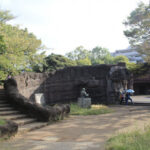
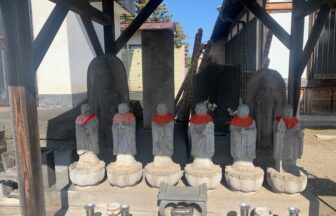
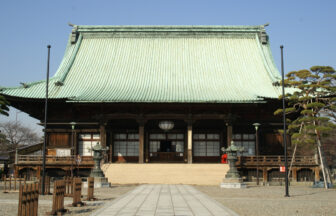
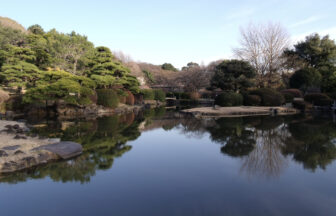
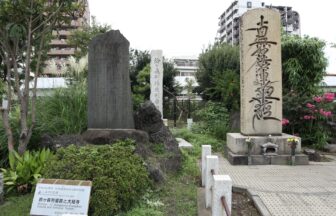
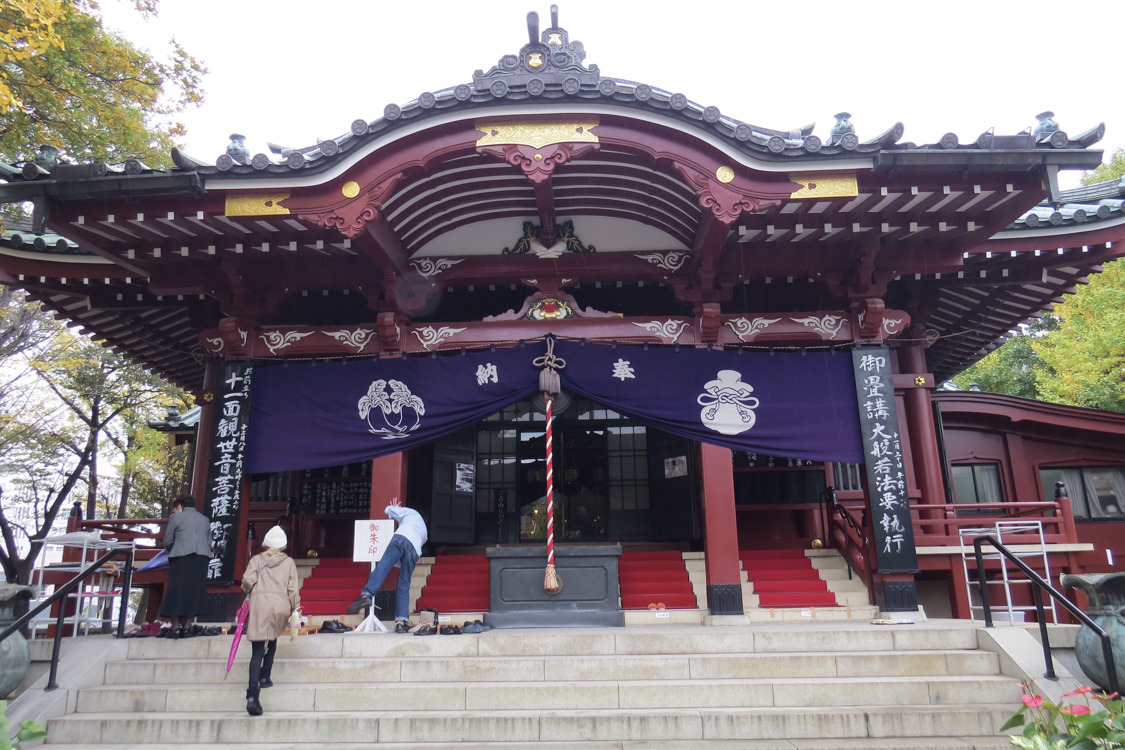
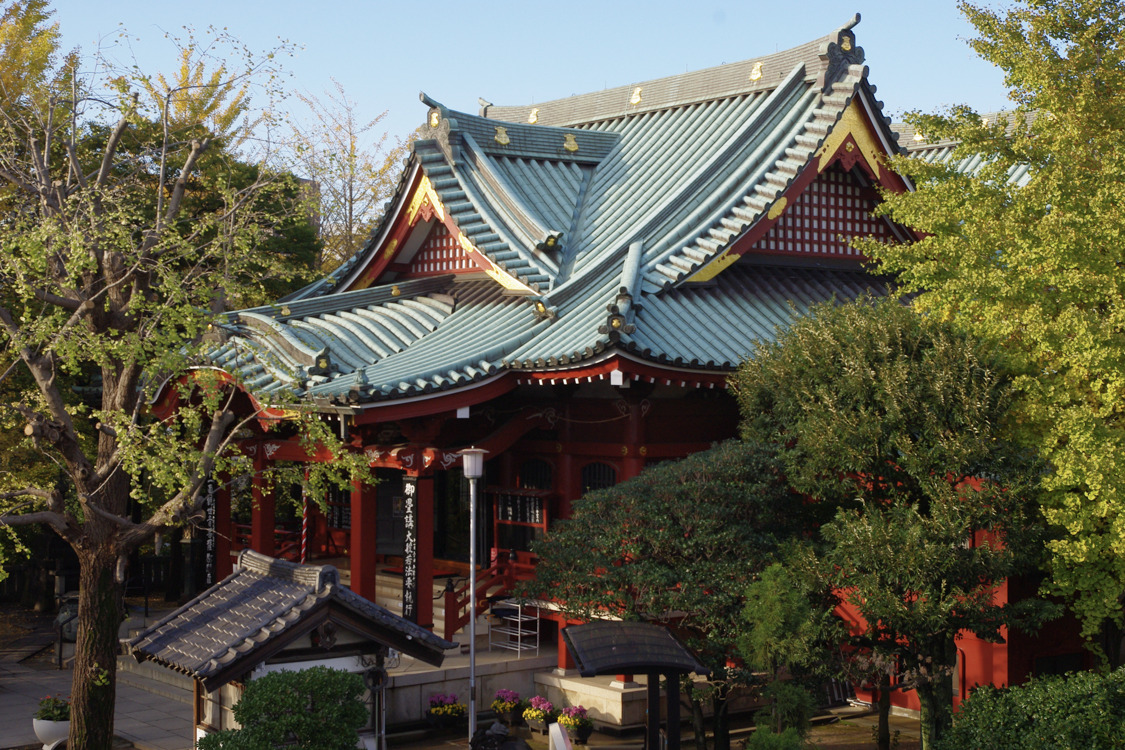
The temple has long been famous for granting people’s wishes and was the subject of many ukiyoe paintings and poems during the Edo period (1603-1868) because of the beauty of its view. The daikon radish (representing good health) and the kinchaku (symbol of prosperous business) are symbols of the principal deity, Seiten-sama. The temple is also known for its offering of daikon radishes, and the “Daikon Festival” held every January is a must-see. Bishamonten, one of the Seven Gods of Good Fortune of Asakusa’s Famous Places, is enshrined here. The paintings of dragons and celestial maidens on the ceiling of the main hall are also a must-see. Why not extend your visit to the nearby Sumida Park, where you can enjoy one of the most beautiful rows of cherry trees in Tokyo?

Spot OutlineOutline

address (e.g. of house) 7-4-1 Asakusa, Taito-ku, Tokyo
Access
phone 03-3874-2030
Business Hours 6:00~16:00
regular closing day nashi (Pyrus pyrifolia, esp. var. culta)
External Links

Official Web Site

Founding and opening of business 601 (9th year of Suiko)

新着・おすすめ情報

  1. Okunitama Shrine (Fuchu, Tokyo)

  2. chopped kabayaki eel on rice

  3. Meaning of “buckwheat cutter

  4. What is the difference between “Ginjo-shu” and “Junmai Ginjo-shu”? Words related to sake

  5. Ikegamihonmonji Temple

  6. 【老舗ご当主・識者と歩く】日本推しラトビア人アルトゥルさんと虎ノ門−新橋の老舗をめぐる

  7. underskirt (half-slip), worn under kimono

  8. Where did okame soba originate? Ingredients used are also explained.

  9. Arisugawa-no-miya Memorial Park

  10. Nihonbashi (bridge)

  11. Yamamoto Nori Store, a long-established business with a 170-year history, has created an innovation that allows people to taste freshly baked laver.

  12. The history is more than 670 years old. Shioze Sohonke”, the creator of “sweet Japanese buns” with a grand history.

  13. neckpiece (on a kimono)

  14. Kimono can be re-tailored and reused as a haori or obi. Kimono is the ultimate SDGs costume.

  15. Manners for visiting shrines and temples: money offering, how to pray, how to get a red seal, etc.