Ikegamihonmonji Temple

temple (Buddhist)Omori, Kamata

Ikegamihonmonji Temple(Ikegami honmonji-Temple)

important cultural property

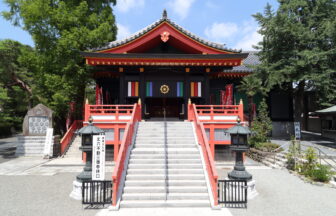
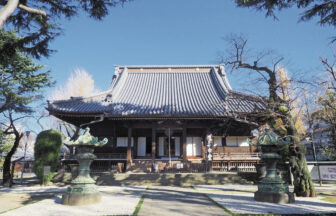
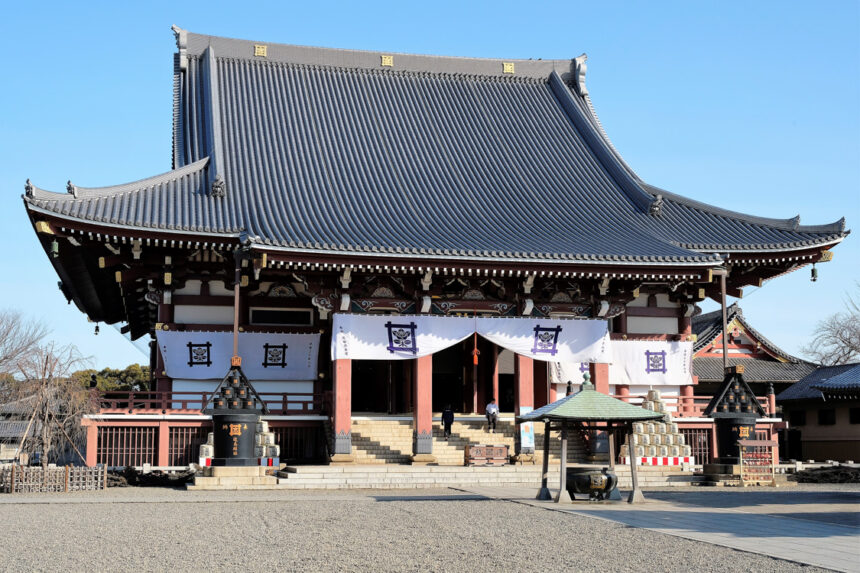
This temple was built on the site of Nichiren Shonin’s death and is the main temple of Nichiren Shoshu. The correct name is Choeizan Honmonji Temple, commonly known as Ikegami Honmonji Temple. Nichiren Shonin passed away on October 13, 1282 (Koan 5) at the residence of Ikegami Munenaka, a local lord in Ikegami, Musashi Province (present-day Ikegami, Ota Ward, Tokyo). It is believed that the mansion later developed into a temple and became Ikegami Honmonji. The five-story pagoda built in 1608 survived the war and is designated as a National Important Cultural Property. The Oeshiki ceremony, held on the evening of October 12, is a grand event, with many followers parading in a procession of many lanterns through the town of Ikegami.

Spot OutlineOutline

address (e.g. of house) 1-1-1 Ikegami, Ota-ku, Tokyo
Access 10 minutes from Ikegami Station on the Tokyu Line, 12 minutes from Nishimagome Subway Station, 5 minutes from Honmonji-mae bus stop on the 20-minute bus bound for Ikegami Station from JR Omori Station

phone 03-3752-2331
Business Hours nashi (Pyrus pyrifolia, esp. var. culta)
regular closing day
External Links

Official Web Site

Founding and opening of business Kamakura period (1185-1333 CE)

新着・おすすめ情報

  1. underskirt (half-slip), worn under kimono

  2. sweet red-bean soup

  3. Imperial Palace

  4. polearm

  5. How to read “strong snacks”? Kaiseki and Kaiseki Cuisine

  6. To preserve traditional culture, we also consider the treatment of craftsmen. What does the long-established “Edoya” think of “succession”?

  7. Shofukuji Temple (Higashimurayama, Tokyo)

  8. Eitai Bridge

  9. kasuri

  10. brewer’s rice

  11. 【第11回】江戸時代に生まれた「かけそば」の起源

  12. Innovation by “Shinseido”, creator of the unconventional and popular “Seppuku Monaka” product

  13. Japanese sweets in the form of long blocks (e.g. yokan, uiro)

  14. Customer information is written down in a notebook and shared with all staff. Ginza Mikawaya’s commitment to hospitality

  15. Tokyo Metropolitan Teien Art Museum