chopped kabayaki eel on rice

Eel, eel, conger eel, and doze eel

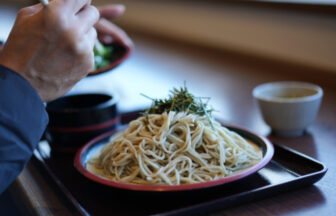
chopped kabayaki eel on rice(Hitsumabushi)

Nagoya (city)loach or eel dipped and broiled in soy-based sauce

Rice is served in a small “Ohitsu” and topped with finely chopped broiled eel. It is a well-known specialty of Nagoya City, Aichi Prefecture. The name “hitsu-mabushi” comes from the fact that it is served in a wooden hitsu and that it is a dish eaten by “mabushi” (mixing). Hitsumabushi is usually served as a set meal consisting of a bowl of rice topped with eel, a bowl of rice, soup, pickles, condiments, and dashi broth. At Atsuta Horaiken in Nagoya City, which is said to be the origin of Hitsumabushi, it is recommended to eat the first bowl of Hitsumabushi as it is, add condiments such as green onions and wasabi for the second bowl, pour broth over the third bowl and eat it as chazuke (rice with green onions and wasabi), and finish the meal the way you like it.

新着・おすすめ情報

  1. swallowing a great amount of tea or medicine

  2. What’s in a Kaiseki meal? Explaining the Difference from Kaiseki Cuisine

  3. Rikugien

  4. Interview with Kotaro Ishikawa of Ishikawa Tortoiseshell Works, a company that connects traditional Edo tortoiseshell techniques and further promotes the Edo Tokyo brand .

  5. triumvirate

  6. Customer information is written down in a notebook and shared with all staff. Ginza Mikawaya’s commitment to hospitality

  7. 日本橋

  8. showy collar

  9. Explanation of the origin of Chirashi-zushi, ingredients used, etc.

  10. Kazari-uma” decorated on Children’s Day. What kind of vehicle is the white horse considered to be?

  11. Points to keep in mind when going out on a rainy day. Handling of umbrellas, considerations on trains and visiting places, etc.

  12. bush

  13. Ningyocho Shinota Sushi Head Office, a long-established sushi restaurant serving inari sushi. What changes with the times, and what never changes.

  14. What is the origin of the name “Kintsuba”? How is it written in kanji?

  15. 【第23回】蕎麦屋店主が考える真の蕎麦「通」の定義