

Shinto shrineNihonbashi (bridge)
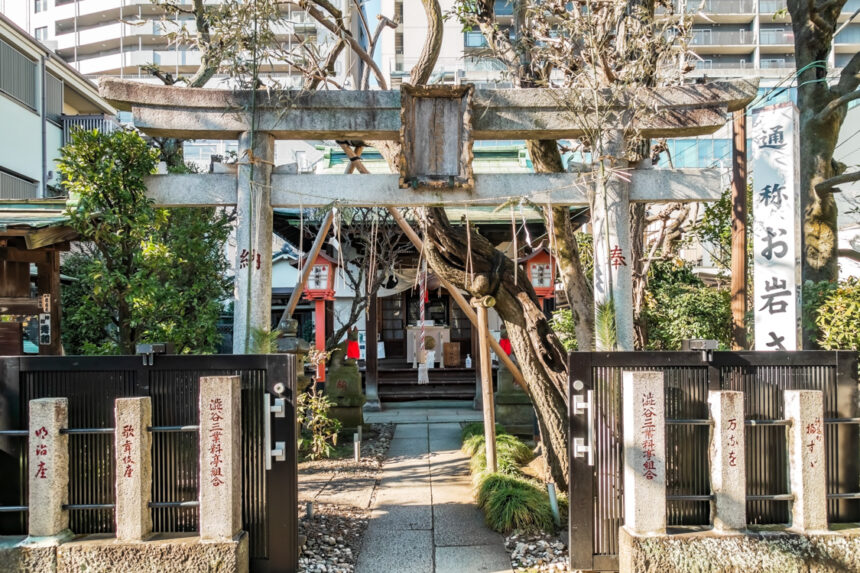
Oiwa Inari Tamiya Shrine(Oiwainari Tamiya Shrine)
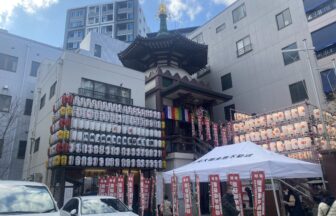
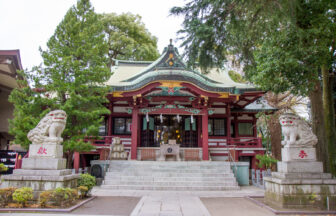
This shrine is dedicated to Tamiya Iwa (actual name), the main character in the kabuki play “Tokaido Yotsuya Ghost Story” by Tsuruya Nanboku IV. The shrine was enshrined in Yotsuya (Samon-cho, Shinjuku-ku), where the house of the Tamiya family was located, as an example of a virtuous woman who worked to restore the family after the death of Iwa in the early Edo period, and was worshipped as “Oiwa Inari Shrine. When the shrine was destroyed by fire in 1879, at the recommendation of Ichikawa Sandanji I, it was rebuilt in addition to the Yotsuya shrine in Echizen-dori (now Shinkawa), near the Kabuki playhouse. The shrine was later destroyed by fire in the war, and both this site and Yotsuya were rebuilt. The torii gate (the oldest in the city), a Chuo City cultural asset, and the Hyakudoishi stone, dedicated by Udanji IV, are located in the premises of the Yotsuya shrine, and actors and others who perform Yotsuya ghost stories still visit the shrine to pray for safety and success.
Spot OutlineOutline
| address (e.g. of house) | 2-25-11 Shinkawa, Chuo-ku, Tokyo |
|---|---|
| Access | 10 minutes from Subway Hatchobori Station, 8 minutes from Subway Kayabacho Station |
| phone | 03-3552-1068 |
| Business Hours | open all day |
| regular closing day | without a holiday |
| External Links | |
| Founding and opening of business | 1879 (12th year of Meiji) |