Tsukiji Honganji Temple

temple (Buddhist)Ginza (shopping district in Tokyo)

Tsukiji Honganji Temple(Tsukiji honganji-Temple)

gourmetstrolling on the streetimportant cultural property

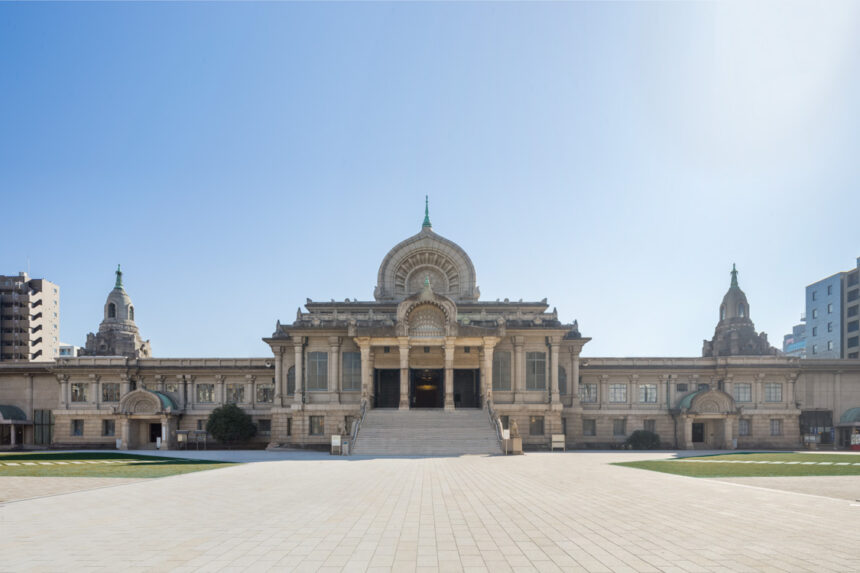
Founded in 1617, the temple was originally located near Asakusa, but was moved to its current location and rebuilt after being damaged in a major fire in 1657. The name “Tsukiji” comes from the fact that the land was reclaimed from the sea and the main hall was built on it. The main hall was destroyed by fire in the Great Kanto Earthquake of 1923, but was rebuilt in 1934. The reconstructed main hall is a reinforced concrete structure in the ancient Indian architectural style, and is designated as a National Important Cultural Property. Various events are held throughout the year, and there are accommodations, a Japanese restaurant, and a café on the grounds.

Spot OutlineOutline

address (e.g. of house) 3-15-1 Tsukiji, Chuo-ku, Tokyo
Access Directly connected to Exit 1 of Tsukiji Subway Station, 5 minutes from Shintomicho Subway Station, 5 minutes from Higashi-Ginza Subway Station, 5 minutes from Tsukiji Ichiba Subway Station

phone 0120-792-048
Business Hours 6:00-16:00 (main hall visiting hours)
regular closing day nashi (Pyrus pyrifolia, esp. var. culta)
External Links

Official Web Site

Founding and opening of business 1617 (3rd year of the Genna era)

新着・おすすめ情報

  1. scabbard

  2. What is meant by “santai zorai” offered for the May dolls?

  3. 【第27回】粋な江戸蕎麦の食べ方とは

  4. Kawaramachi Inari Shrine (Kitasenju, Tokyo)

  5. Rintsushinomori Park (Musashikoyama, Tokyo)

  6. What are the characteristics of Edomae Sushi?

  7. eel-liver soup

  8. You can do it yourself! How to Tie a Yukata Obi – Bunko Knot

  9. showy collar

  10. box lunch (containing rice and 10-15 small portions of fish, meat, and vegetables)

  11. Explanation of the contents of “Yomeiri Dougu Arrangement” [Decorating Hina Dolls].

  12. Customer information is written down in a notebook and shared with all staff. Ginza Mikawaya’s commitment to hospitality

  13. Akasaka Imperial Villa

  14. 【第28回】蕎麦のつなぎに小麦粉を使用する理由

  15. The same manufacturing method since the establishment of the company. Interview with Satoru Nakamura, the 7th generation of Shirokiya Nakamura Denbei Shoten, who weaves Edo brooms using craftsmanship passed down from generation to generation .