

Founded in Bunsei 2 (1819)
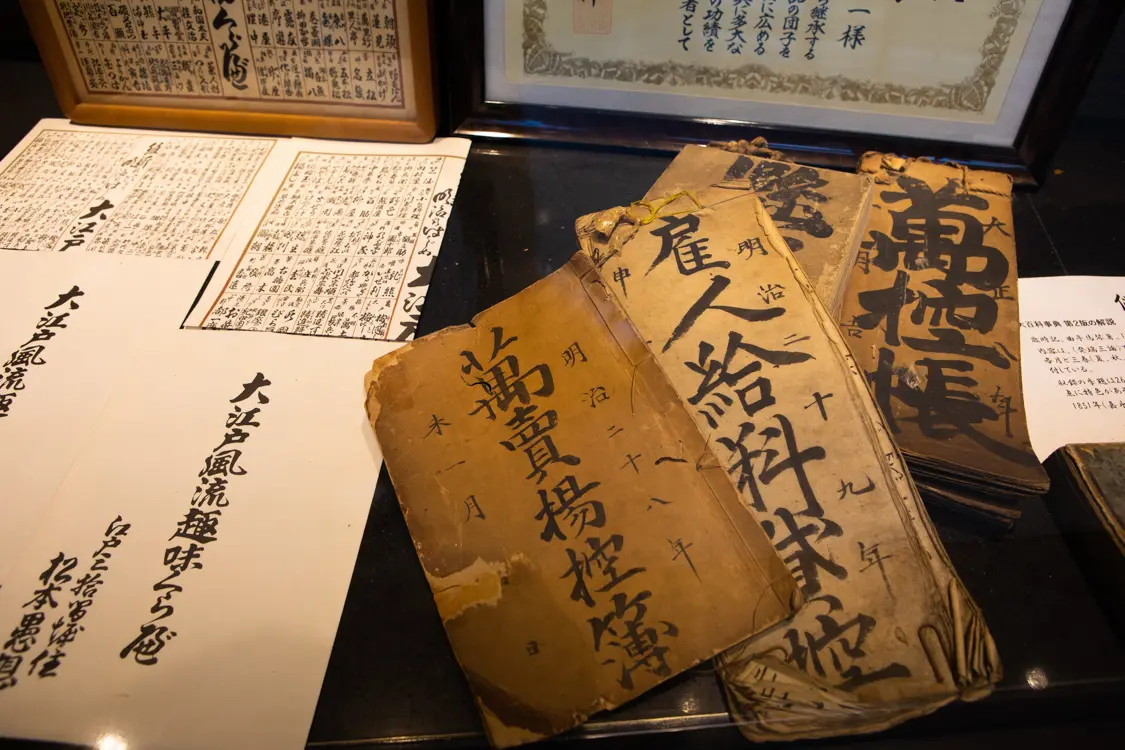
The smooth texture of Habutae Dango has captivated even literary masters.
The signature “Habutae Dango” was loved by literary masters—Shiki Masaoka wrote about it in poems and travel essays, and Natsume Sōseki mentioned it in I Am a Cat. Its name is also listed in the mid-Meiji ranking of famous shops, Comparison of Edo and Early-Meiji Elegant Specialties.
To create the smooth and firm dango dough, rice flour and water are mixed and then pounded many times with a mortar and pestle to build elasticity.
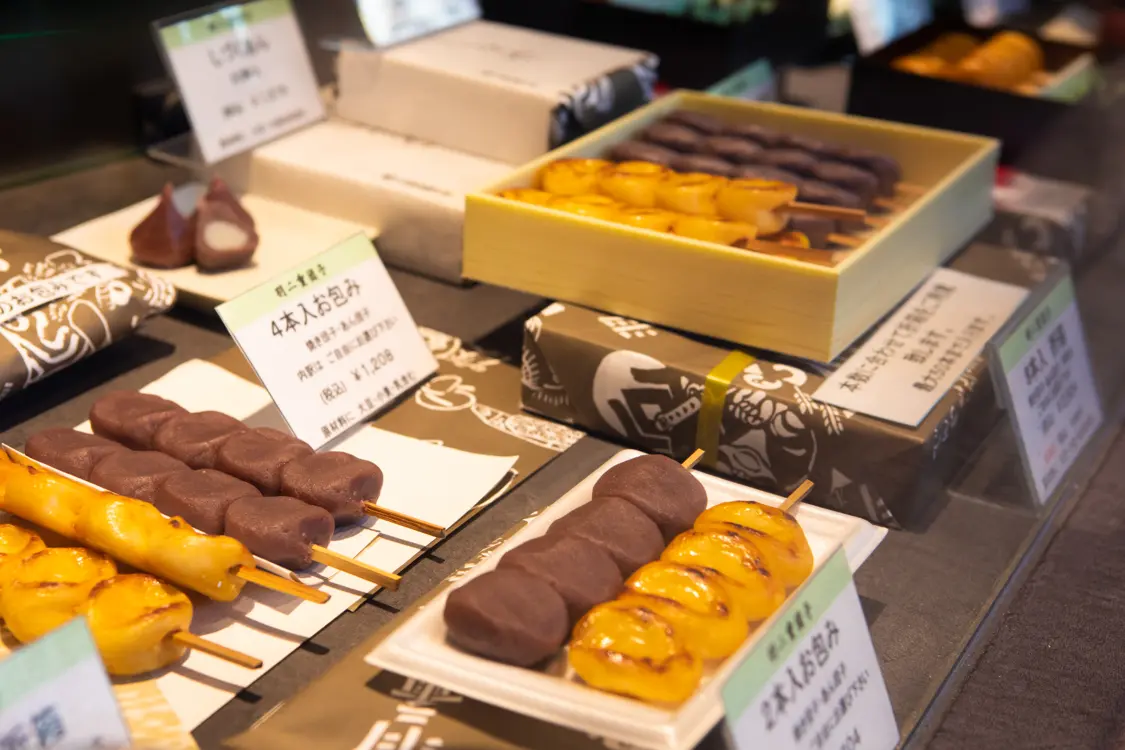
“The family rule even says, ‘When making dango dough, pound it twice as many times as others.’ It means to always work harder than anyone else, and that is something we never compromise,” says the proprietor Mr. Sawano. Besides the painstaking flavor, their flat shape, skewered style, and reasonable price also make them widely loved. “An Dango” and “Yaki Dango” balance sweetness and savoriness—the gentle sweetness of red bean paste and the aromatic saltiness of raw soy sauce complement each other so well that you could keep eating them forever. Many people enjoy alternating between the two.
Art philosopher Tenshin Okakura was also an enthusiastic fan—according to his son’s essay, he once drank with this dango as a snack and forgot to go home. Mr. Sawano says, “Back when Nippori was a place where you could see the sunset sink behind Mt. Fuji, the literary masters likely enjoyed evening drinks with dango while watching the dusk.”
For dining inside, the classic choice is one “An Dango,” one “Yaki Dango,” and green tea. The “Matcha Set,” which includes mini versions of both dango types and matcha, is also easy to enjoy and recommended. For souvenirs, the droplet-shaped “Shizuku-An” mini An Dango (12 pieces for 961 yen) and the bite-sized “Petit Monaka” filled with red bean paste (129 yen each) are also popular.
History
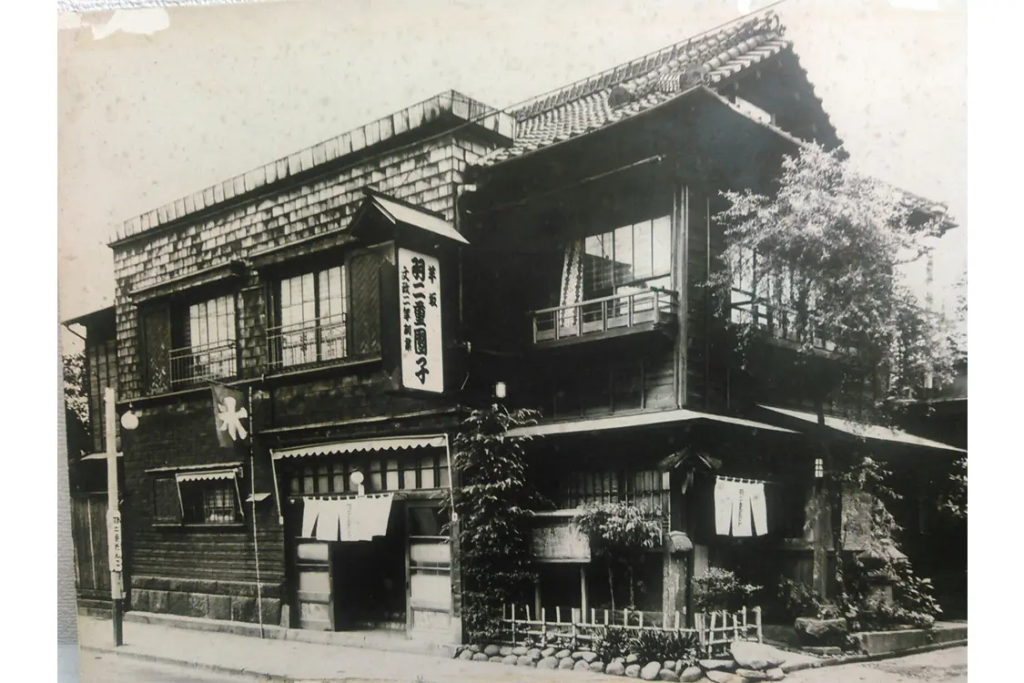
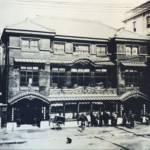
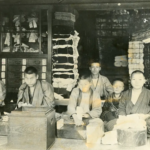
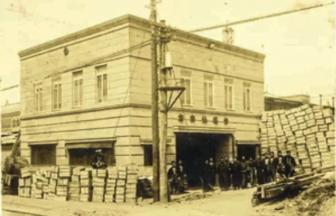
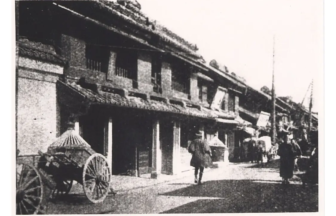
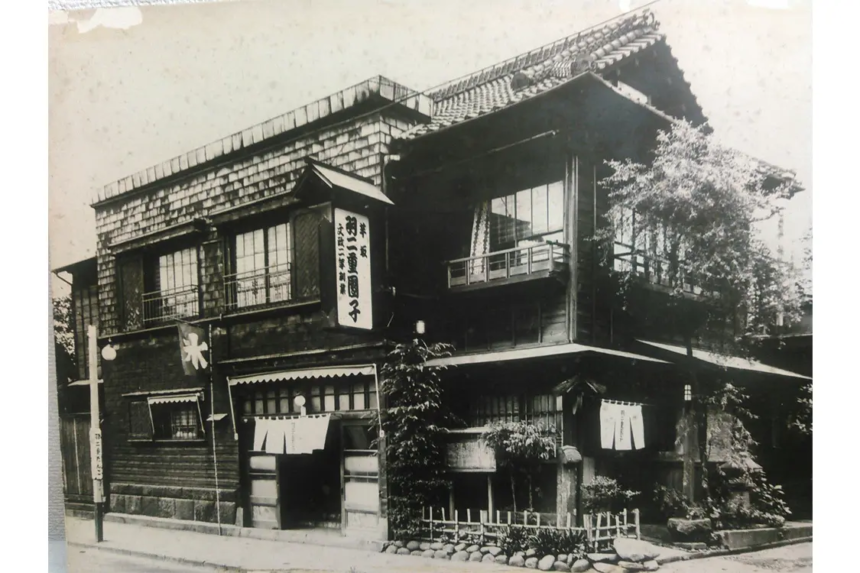
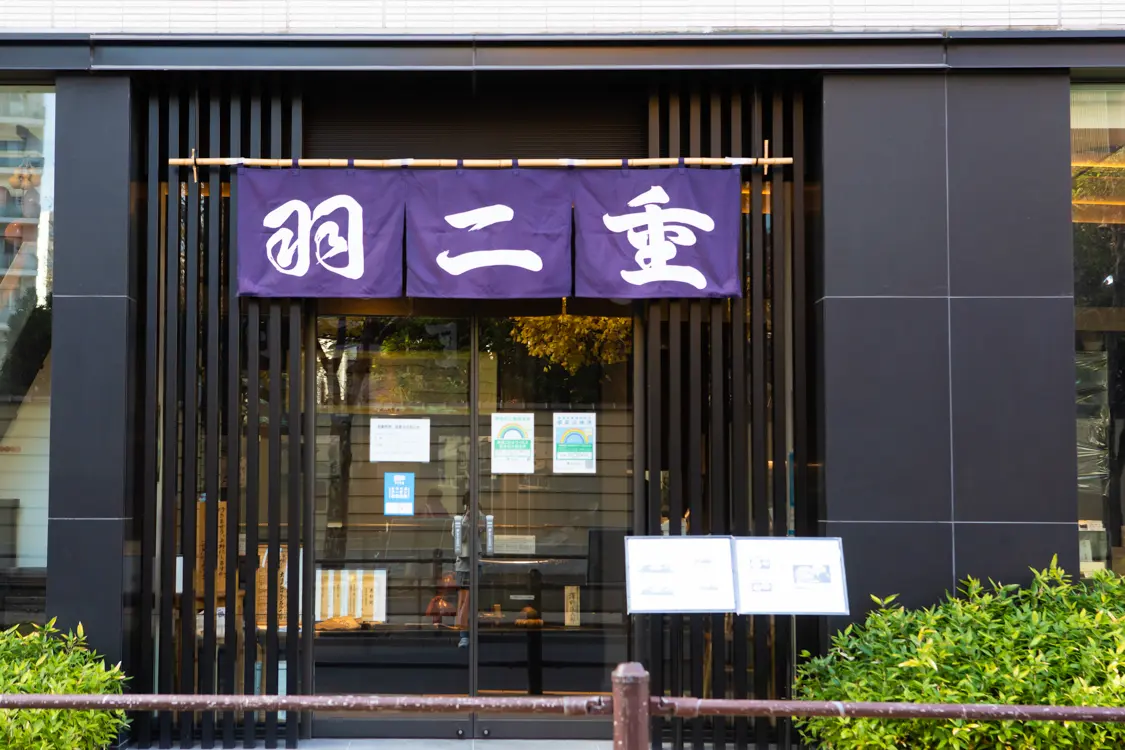
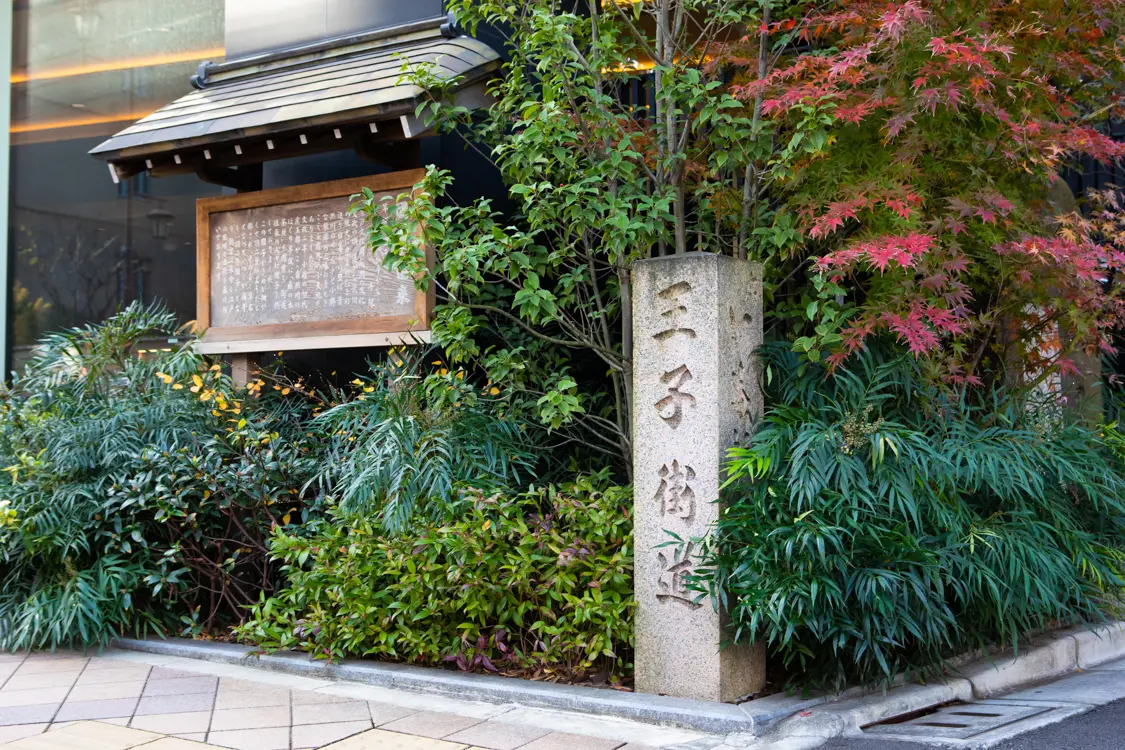
In Bunsei 2 (1819), the founder—who was a gardener—opened a teahouse in Negishi for travelers along the Ōji Road. Because it had a wisteria trellis, it was called “Fuji-no-Ki Chaya,” but the dango became famous for being as smooth as habutae silk, and eventually the shop’s name changed to “Habutae Dango.” From the Edo to Meiji eras, the Negishi area was a villa district for sophisticated people who loved elegant culture. “Habutae Dango” became beloved by such cultured individuals as a dango shop beside Imozaka and appeared in many literary works. The main store is still in the same location today, and as a place connected to Shiki Masaoka, there is even a mailbox where visitors can submit haiku. The eat-in space makes it a perfect rest stop during a Yanaka–Nezu–Sendagi walk.
Delivering deliciousness through unwavering effort
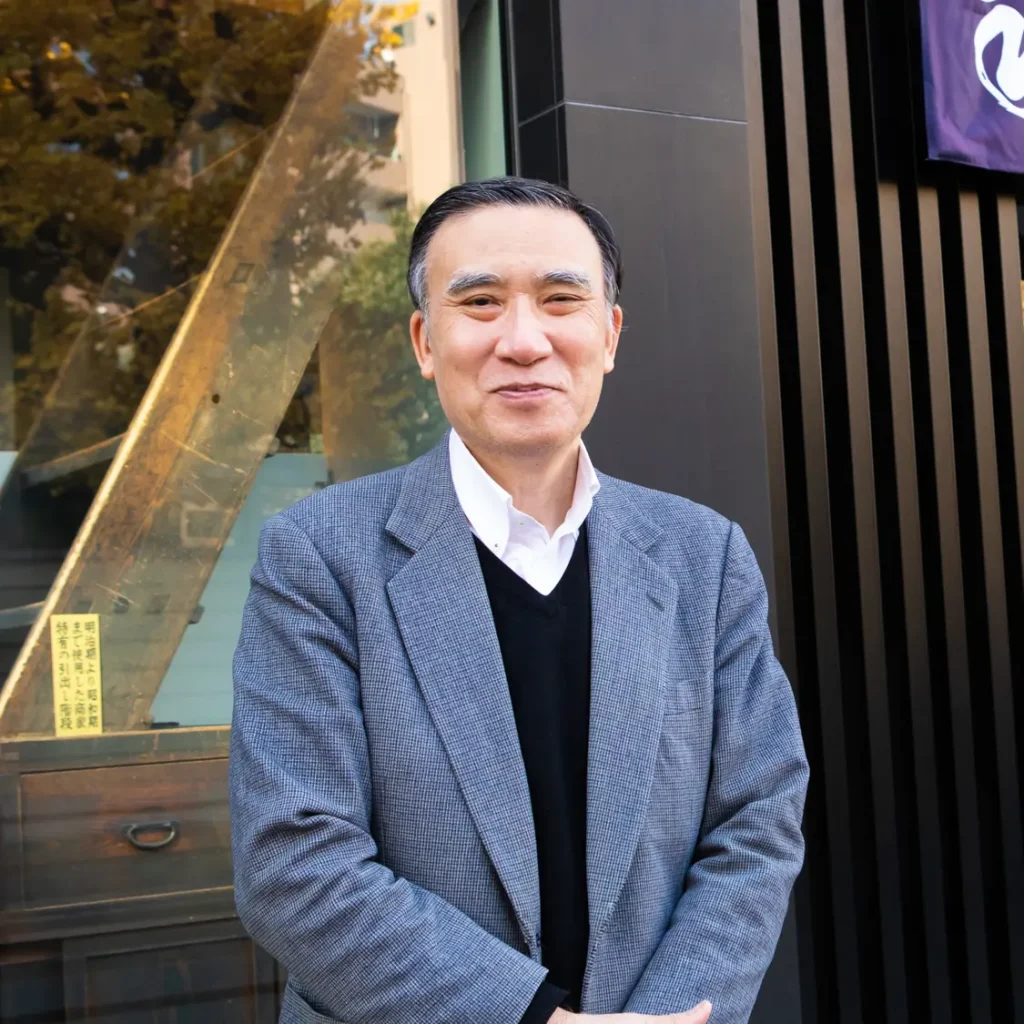
Mr. Shuichi Sawano
7th-generation proprietor of Habutae Dango
In 2020, we also launched online sales using rapid-freezing technology that preserves the flavor. Throughout our 200-year history we have overcome many hardships, and we will continue to follow our family rules: “Wake up early” and “When making dango dough, pound twice as many times as others,” while always taking on new challenges.
This Notable Item
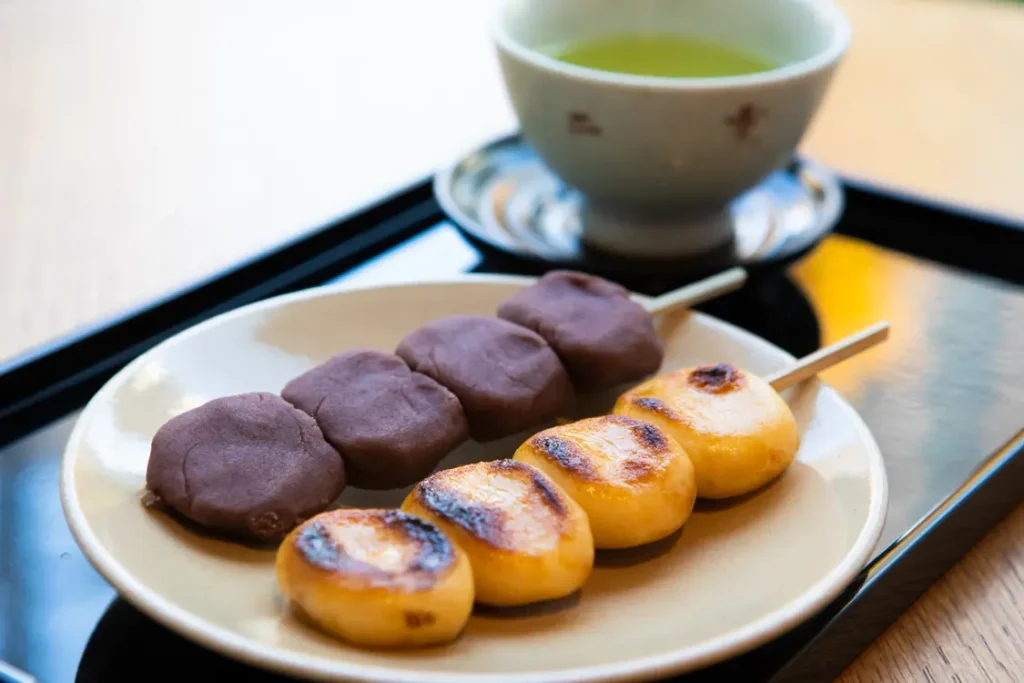
Habutae Dango
302 yen per skewer
“An Dango” is wrapped in mildly sweet smooth red bean paste, and “Yaki Dango” is brushed with raw soy sauce and grilled until fragrant. The dough is prepared differently: “An Dango” dough is steamed, while “Yaki Dango” dough is dipped in soy sauce and grilled twice. Only essential ingredients are carefully selected, so the dango keeps for just one day.
Spot Overview
| address (e.g. of house) | |
|---|---|
| phone | |
| Business Hours | |
| regular closing day | |
| Payment Method | |
| External Links |