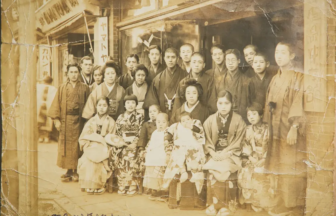


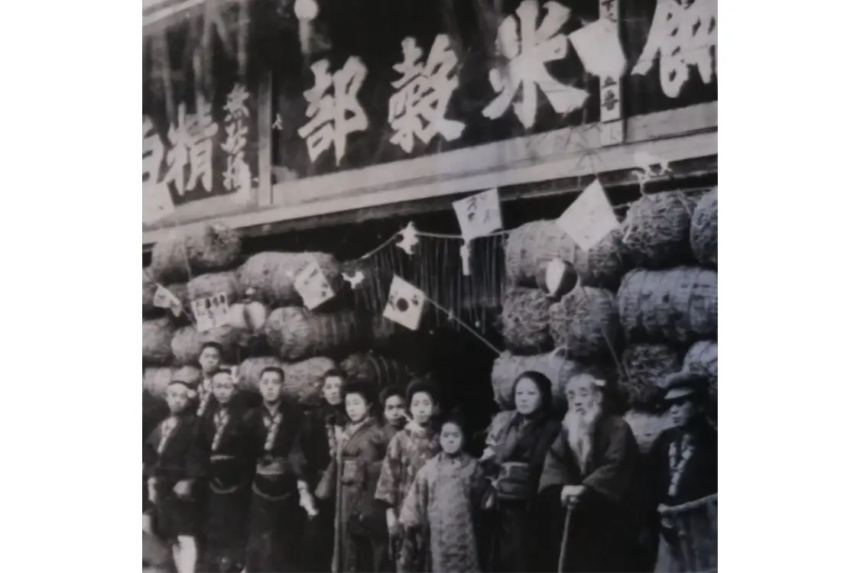
Meiji 8 (1875)
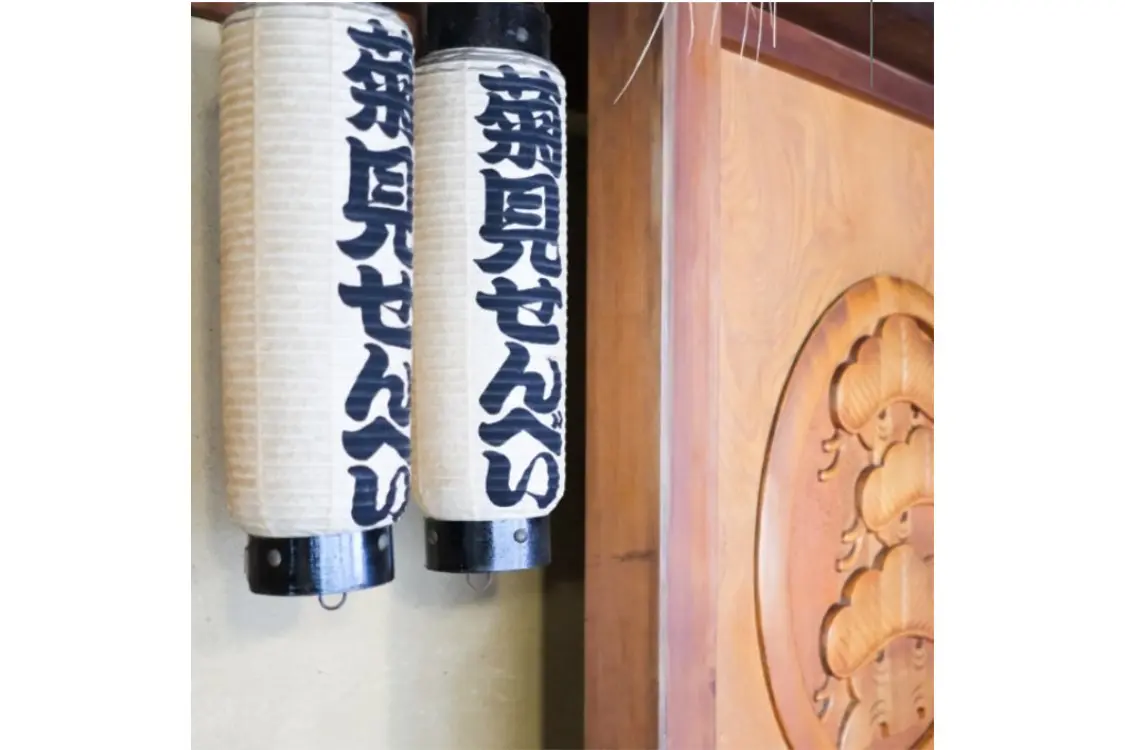
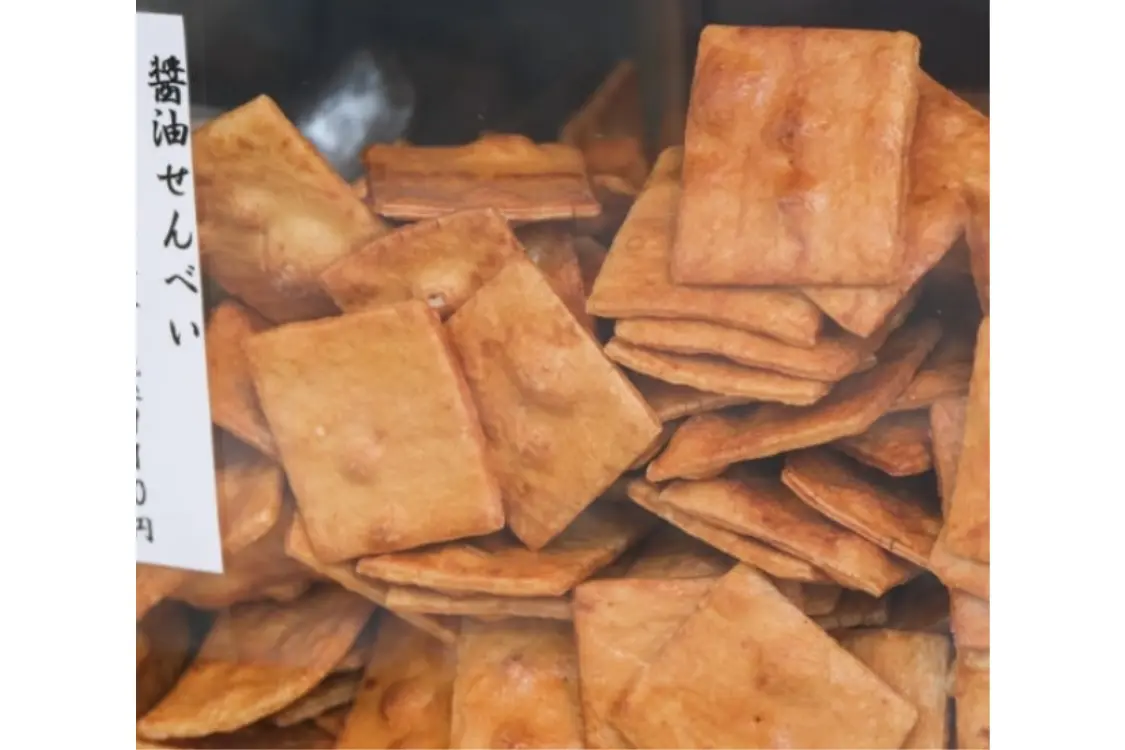
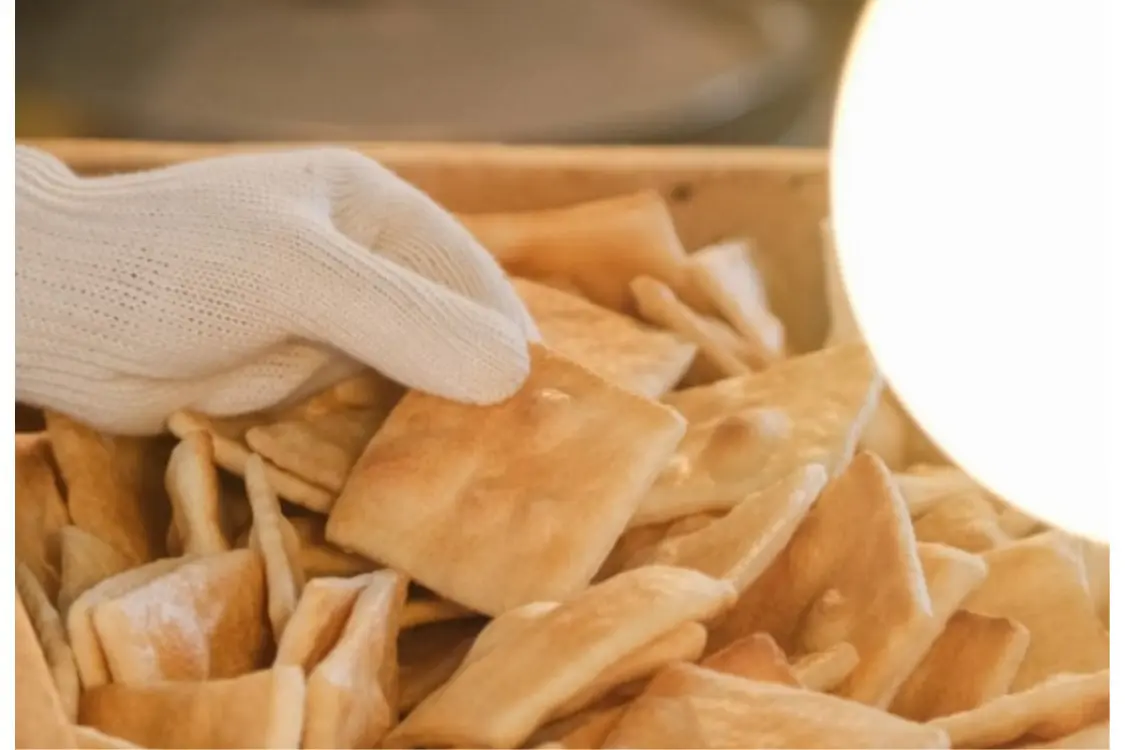
A senbei shop loved in Sendagi for over 140 years. Its specialty is the traditional square-shaped senbei.
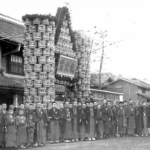
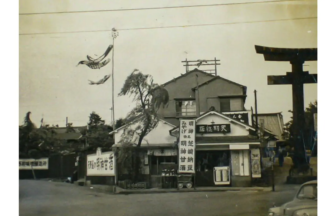
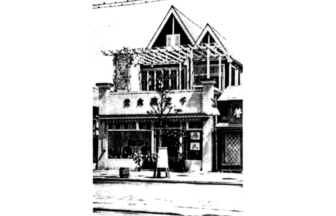
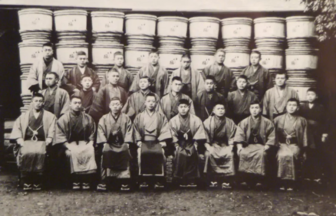
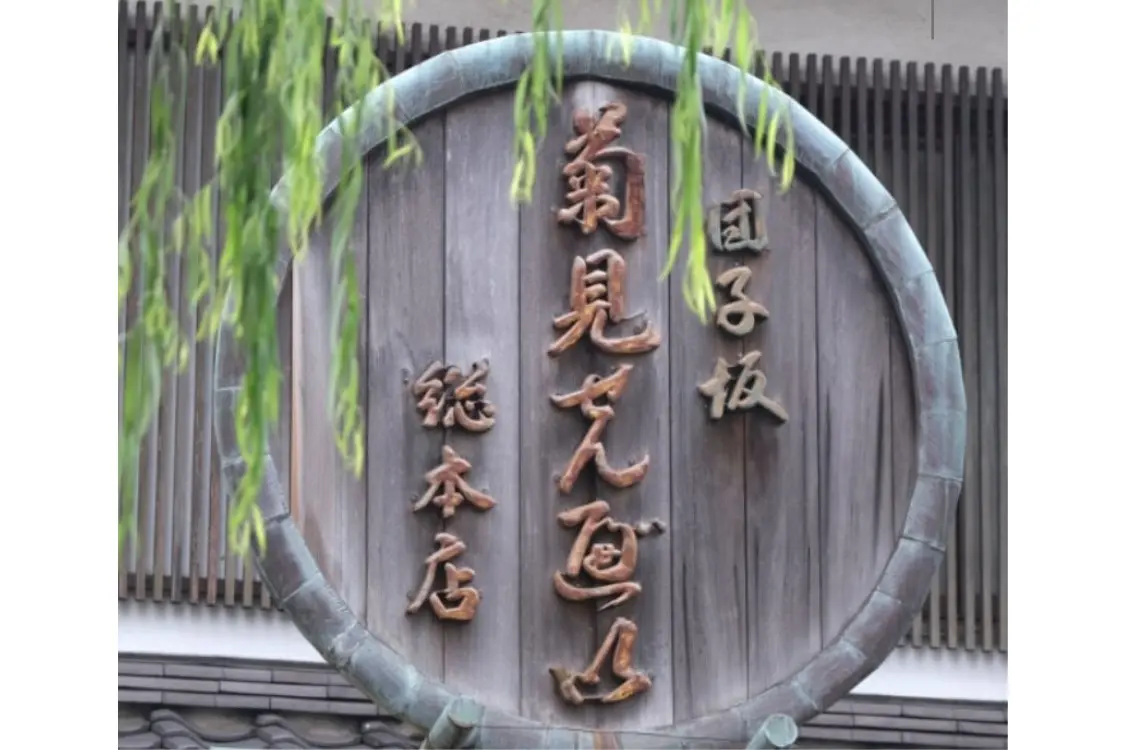
The Sendagi area once had residences of samurai and feudal lords who served Tokugawa Ieyasu, the shogun of Edo, and still retains scenes of the good old days.Kikumi Senbei Sohonten has been open here since Meiji 8 (1875) and has continued selling senbei for over 140 years.The large round sign and wooden storefront, seen just after entering Yanagi Street at the bottom of Dangozaka, are impressive.
When you look at the products lined up at the shop, the first thing that catches your eye is the shape of the senbei.Most of them are square-shaped.The tradition began when the first owner, Rokugoro Amano, shaped them square based on the Chinese view of the universe, “Heaven is round, Earth is square,” wishing that senbei would be widely loved by the local people.This method has been passed down to the current fifth-generation owner, Yoshiyuki Amano.
A strong commitment to ingredients has also been passed down since the founding.Carefully selected domestic non-glutinous rice is used, and the soy sauce comes from a soy sauce maker in Choshi, Chiba, with over 400 years of history.The rich flavor and aroma of this traditional soy sauce further enhance the taste of the rice.
Just beside the shop, after passing through Yomise Street, you will see Yanaka Ginza Shopping Street, filled with a nostalgic Showa-era atmosphere.Why not walk toward the shopping street with Kikumi Senbei in hand?
History
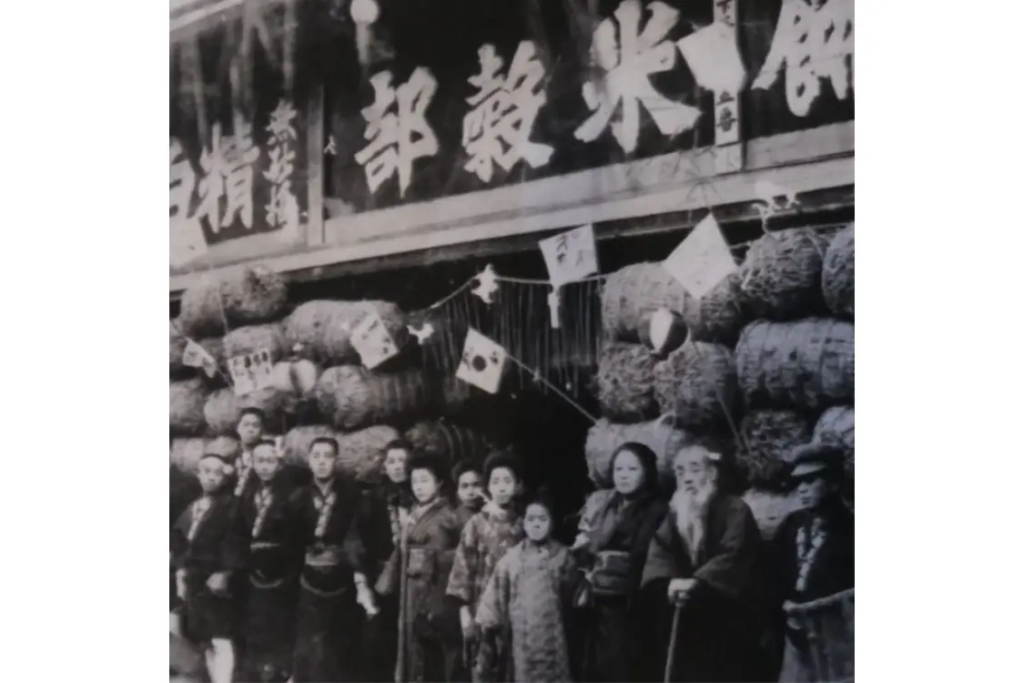
Kikumi Senbei began when the first owner, Rokugoro Amano, started selling them at Dangozaka, where chrysanthemum and chrysanthemum doll shows were once held, thinking, “I want to offer something as a souvenir for the many visitors.”The square-shaped senbei, unchanged since the founding, were considered “very rare” and became a popular souvenir among local people,and were also enjoyed by cultural figures such as Ogai Mori, Koun Takamura, and Kotaro Takamura.Today as well, the shop continues to sell its traditional senbei to local residents and visitors in Sendagi.
This Notable Item
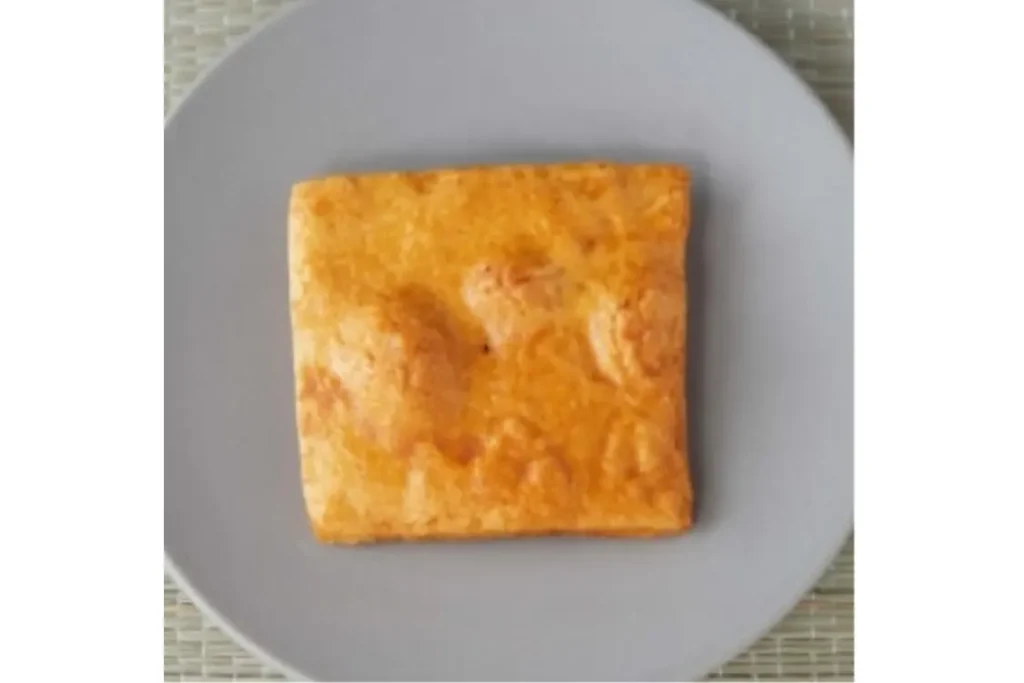
Soy Sauce Senbei
80 yen (1 piece, individually wrapped available)
The signature product of Kikumi Senbei Sohonten.Made with domestic non-glutinous rice known for its firm texture.The moment you open the bag, a fragrant aroma of roasted soy sauce spreads.
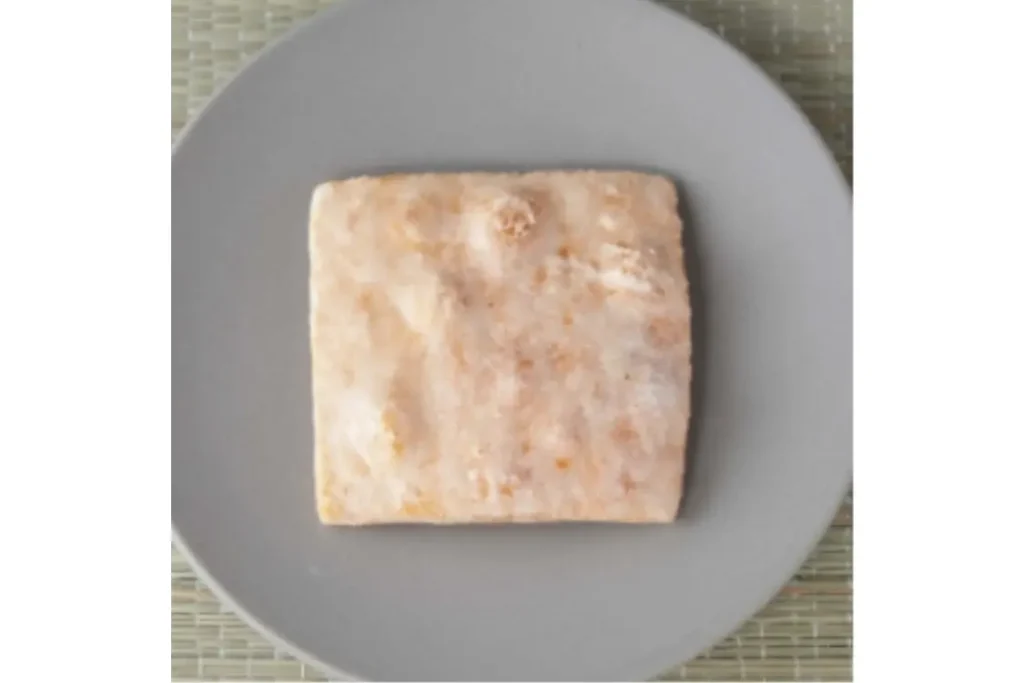
Sweet Senbei
90 yen (1 piece, individually wrapped available)
A soy sauce–based senbei coated with sugar, featuring a sweet-and-salty taste.Recommended for those who want to enjoy both salty and sweet flavors.
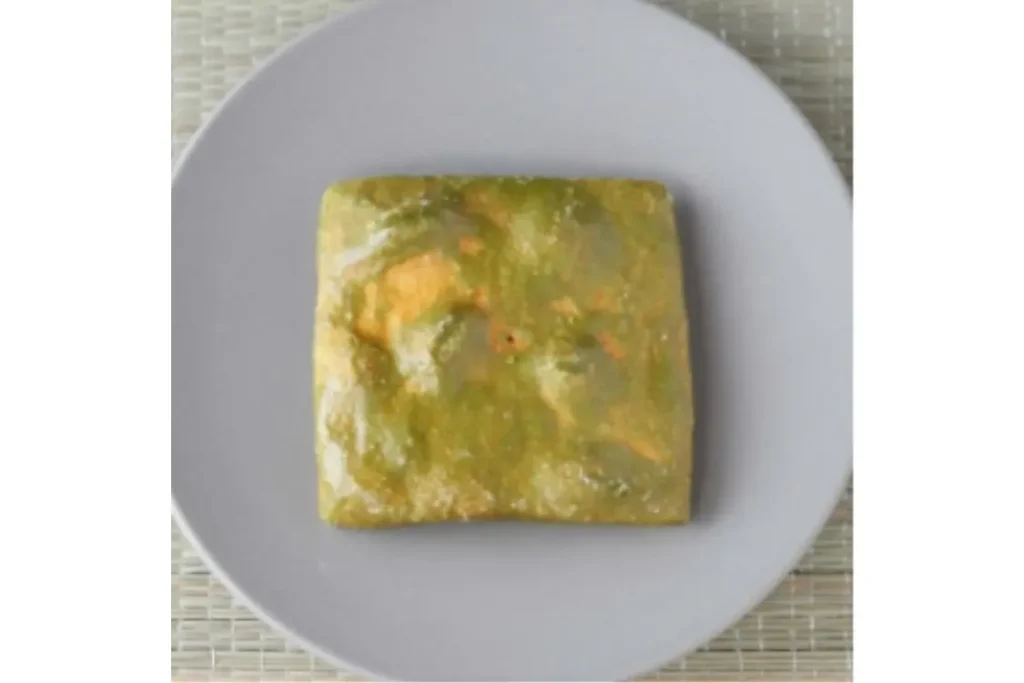
Tea Senbei
90 yen (1 piece, individually wrapped available)
A senbei coated with sugar and kneaded with Uji matcha.You can enjoy the bitterness of matcha and a gentle sweetness.An irresistible item for matcha lovers.
Spot Overview
| address (e.g. of house) | |
|---|---|
| phone | |
| Business Hours | |
| regular closing day | |
| Payment Method | |
| External Links |