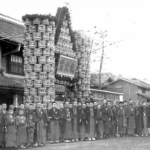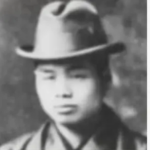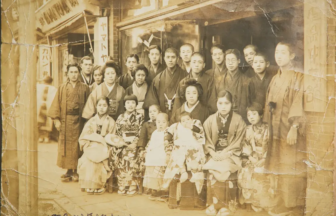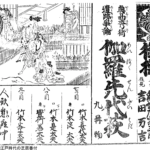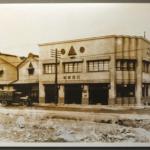


Meiji 10 (1877)
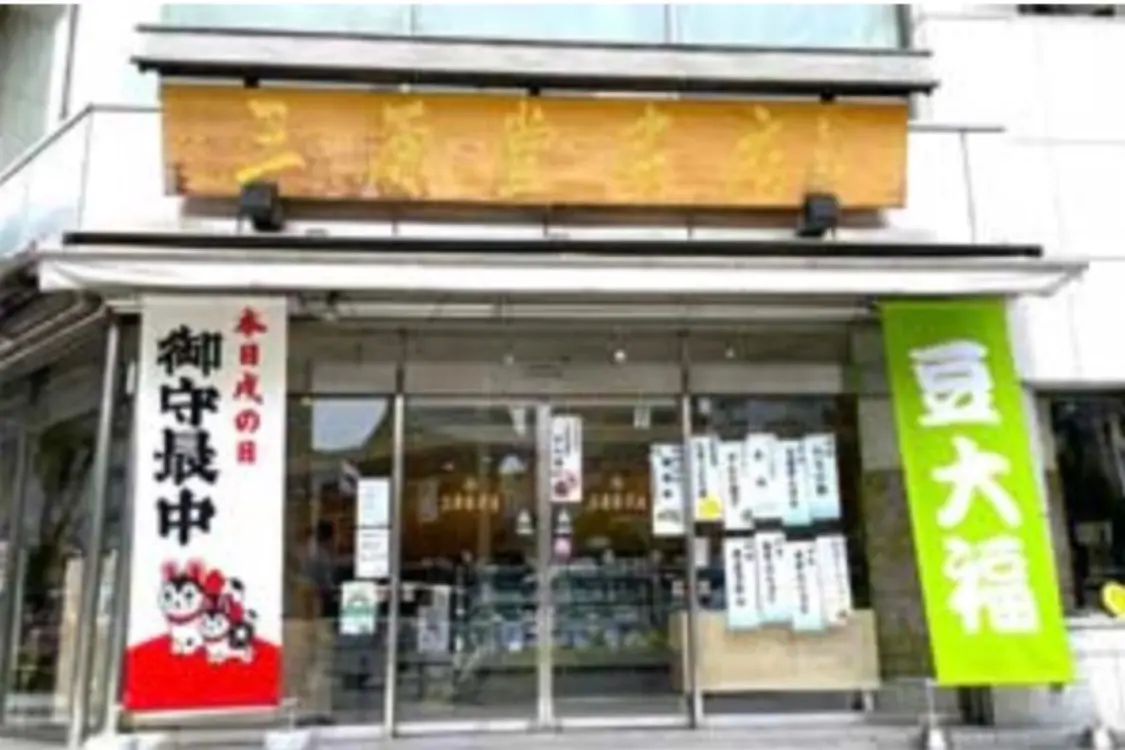
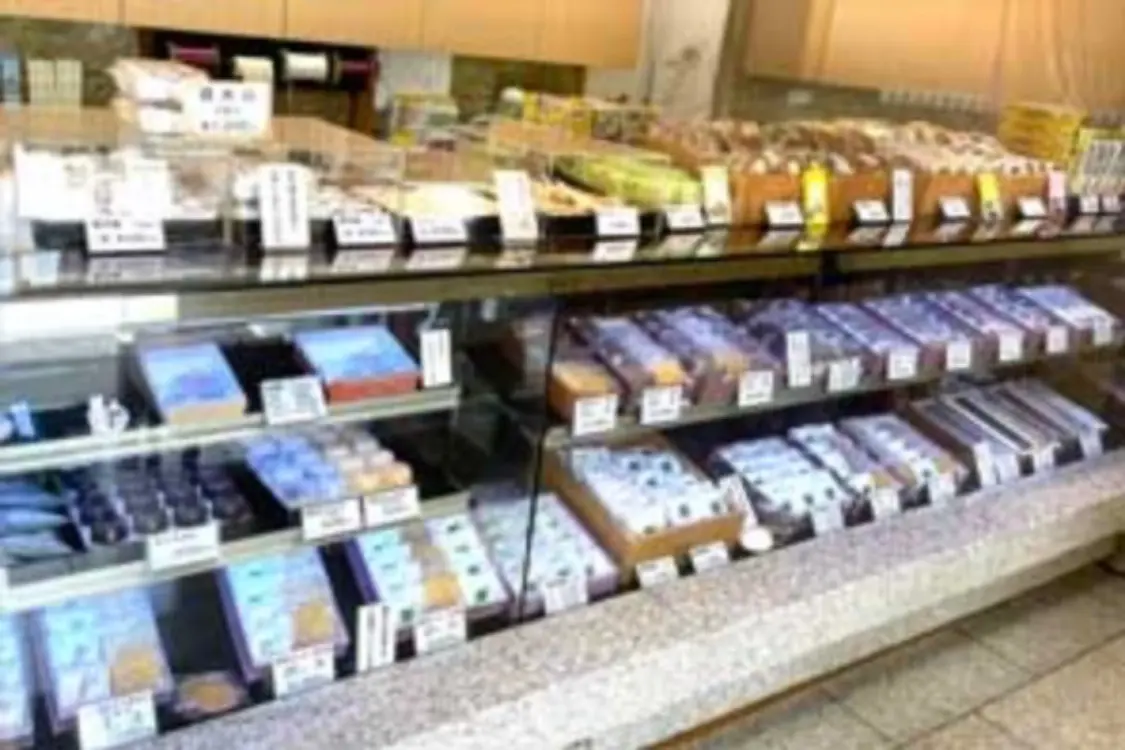
A Japanese sweets shop deeply connected with Suitengu and loved across generations
Founded in Meiji 10 (1877), the shop has long preserved its traditional flavors in the area closely associated with Suitengu, and with a company motto of creating products that satisfy customers, it continues to protect its traditional tastes while using carefully selected ingredients.
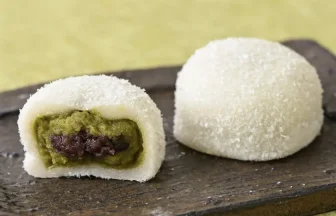
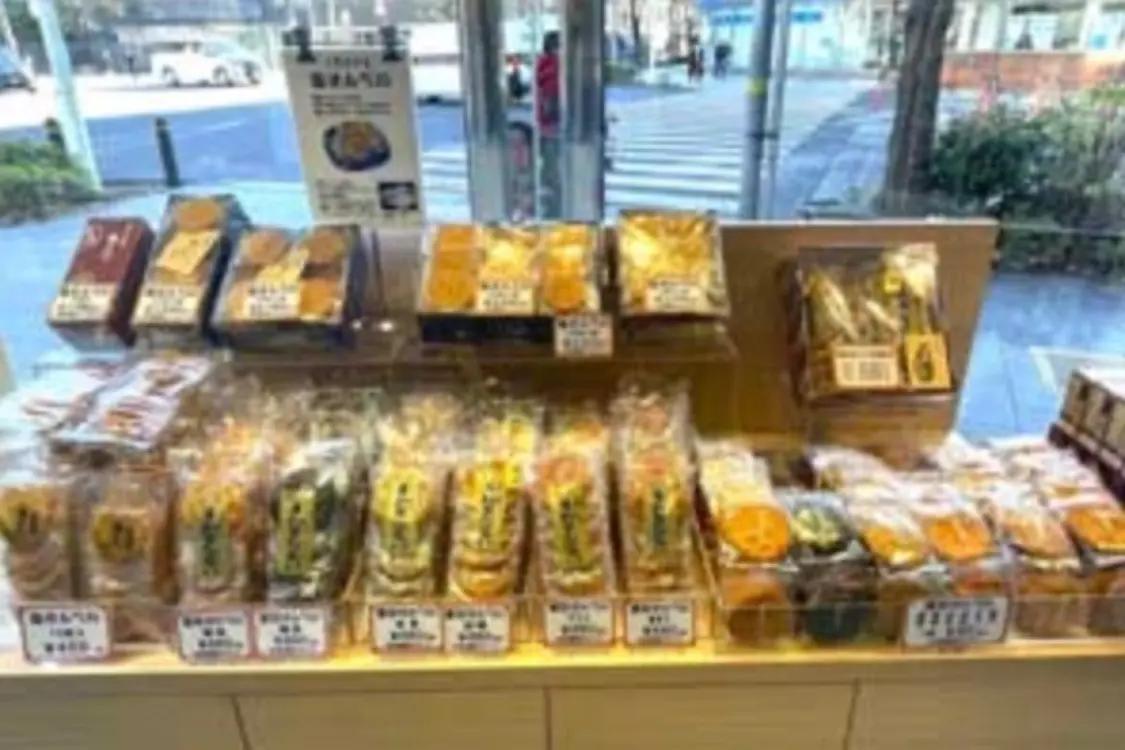
The signature product, Omamori Monaka, is a Japanese sweet that originated from a time when charms were distributed, with permission from Suitengu, to worshippers who visited the shrine on days other than the Day of the Dog, and the standard items such as hand-made dorayaki and salt rice crackers have many regular customers who seek traditional flavors and are also very popular as gifts, and the shop also sells assortments such as a tasting set that includes both dorayaki and salt rice crackers.
Rather than simply preserving tradition, the shop also keeps pace with the times by creating seasonal limited sweets and Western-style confections.
History
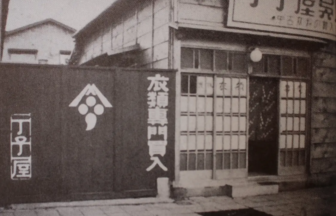
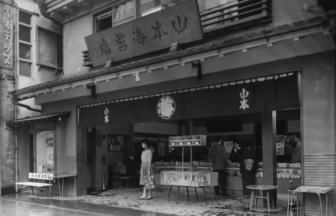
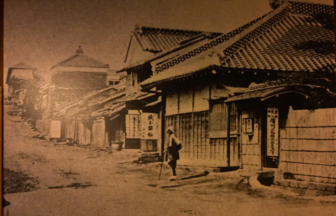
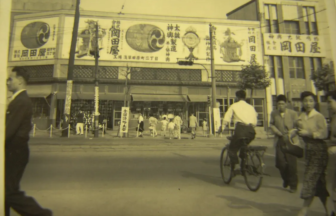
Mitsuharado Main Store was founded in Meiji 10 (1877) by the first-generation founder, Mihara Tōgen, in Nihonbashi Kakigaracho, and it moved to its current location in Meiji 20 (1887), building its business around worshippers visiting Suitengu Shrine, which had been relocated from the Kurume Domain residence in Mita, and since the move it has long operated on a corner of the Ningyocho intersection, and today, in addition to the main store, it runs five company-owned shops including locations in Gransta Tokyo inside Tokyo Station and Ueno Matsuzakaya.
This Notable Item
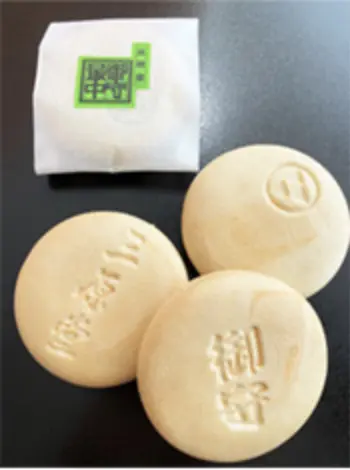
Omamori Monaka (Large)
280 yen
The monaka wafers are thin and pleasantly chewy, and the paired chunky red bean paste is an elegant anko carefully kneaded, using Erimo azuki beans from Tokachi, Hokkaido, and in addition to the large size there is also a small size, and a sweet-and-salty set paired with salt rice crackers is also popular.
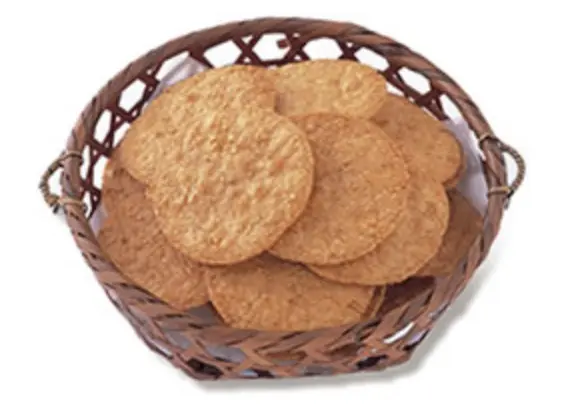
Salt Senbei
50 yen
The salt rice crackers are made from carefully selected non-glutinous rice, processed with a unique method to leave a slight grainy texture and rolled thin, then each piece is slowly and carefully baked to a fragrant finish with soy sauce and salt, and they are additive-free and color-free, using two mineral-rich salts: Hakata natural sea salt and German rock salt “White Crystal.”
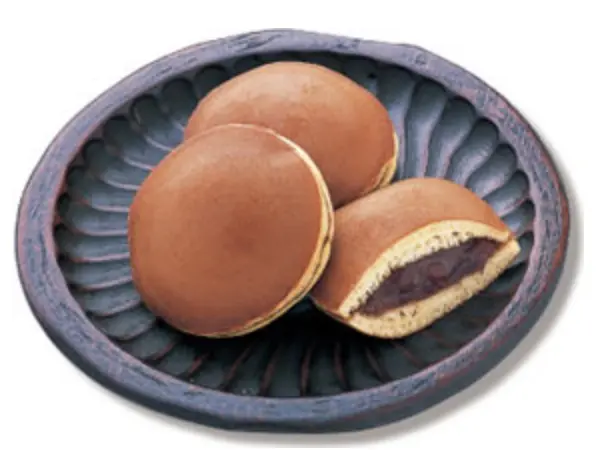
Dorayaki
250 yen
The dorayaki, made with a thick, moistly baked pancake and Erimo azuki beans from Tokachi, Hokkaido, is rich in flavor and one of the popular items at Mitsuharado Main Store, and the pancake contains soy sauce, giving it a slightly darker baked color, and its fluffy texture combined with mildly sweet chunky red bean paste makes it easy to enjoy.
Spot Overview
| address (e.g. of house) | |
|---|---|
| phone | |
| Business Hours | |
| regular closing day | |
| Payment Method | |
| External Links |