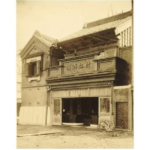


1923 (Taisho 12)
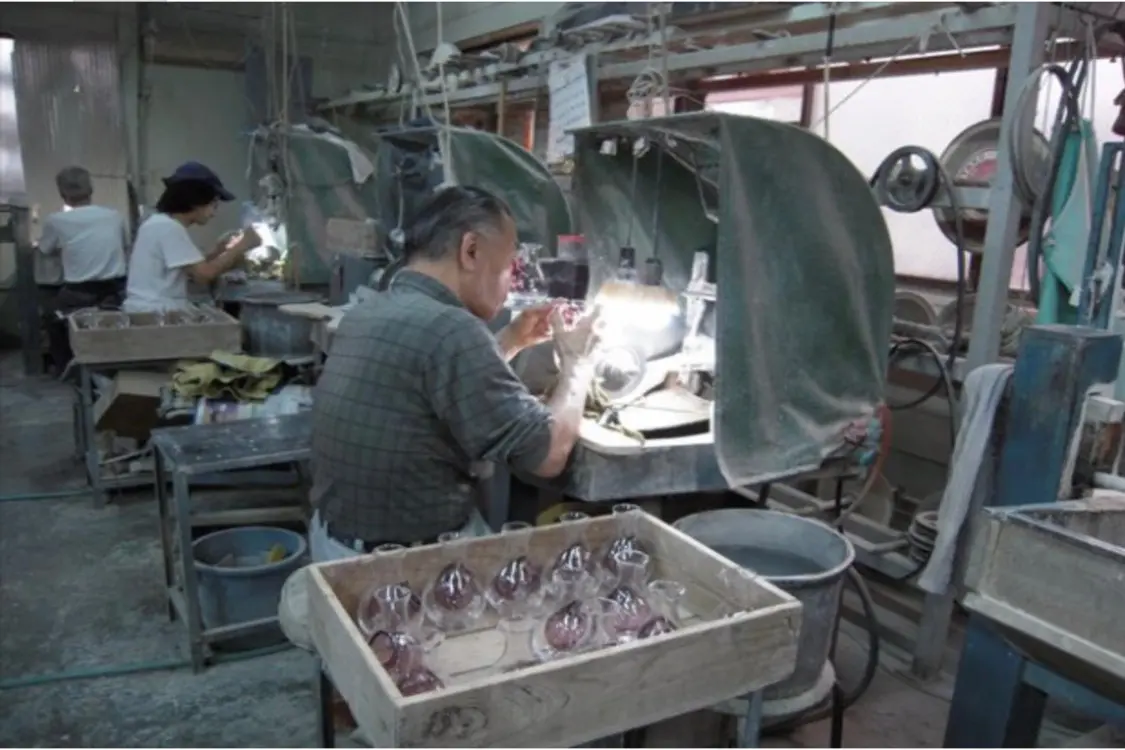
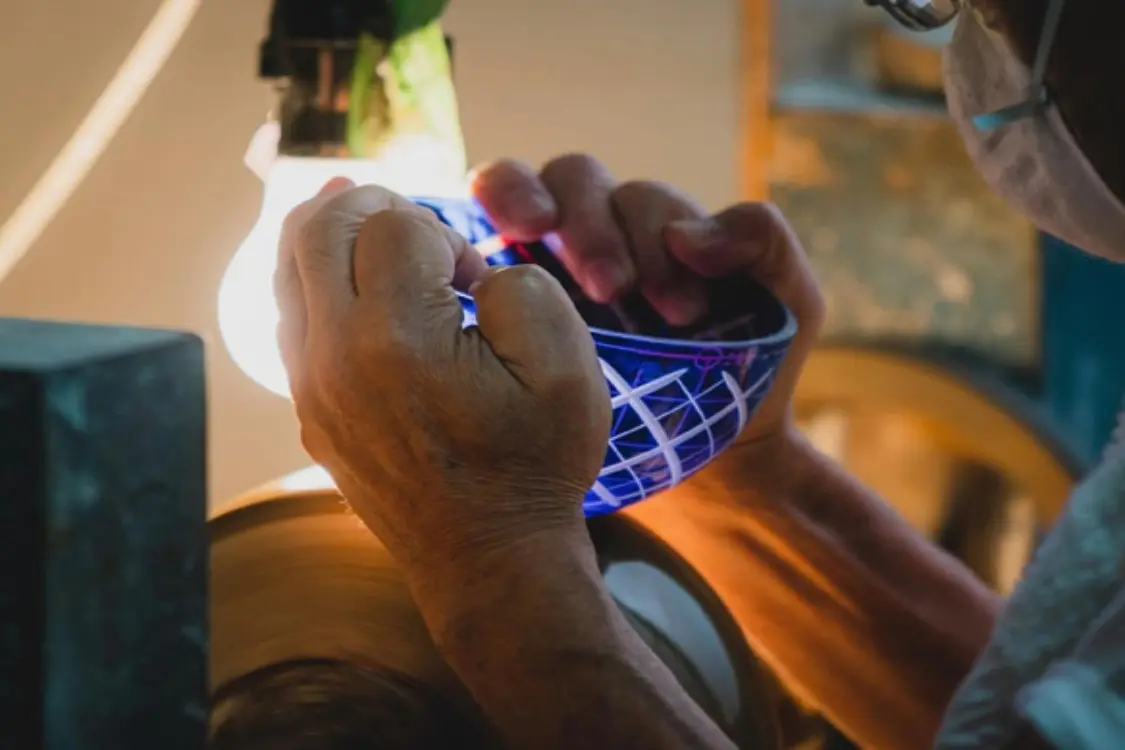
Long-established company that continues to preserve the traditional craft Edo faceting technique
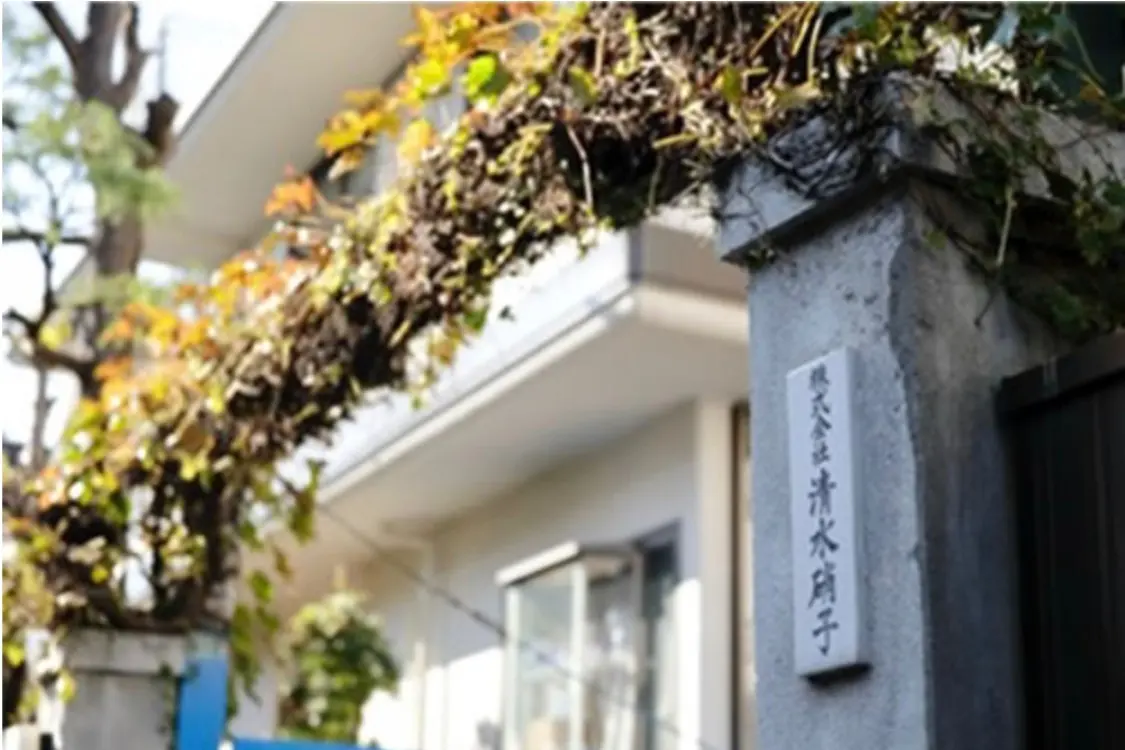
Shimizu Glass, founded in 1923, is a company that produces and sells Edo faceting, celebrating its 100th anniversary in 2023. For a long time, the company was engaged in subcontracted processing for manufacturers, but after the manufacturers withdrew from the business, the company changed its business and now handles everything from planning and manufacturing to sales of its own products. The company’s highly skilled craftsmen and women also provide custom-made products such as wedding banquet favors and souvenirs. Our products are used in the decoration of the elevator walls of the Tokyo Sky Tree® and the ticket counters on the 4th floor of the building.
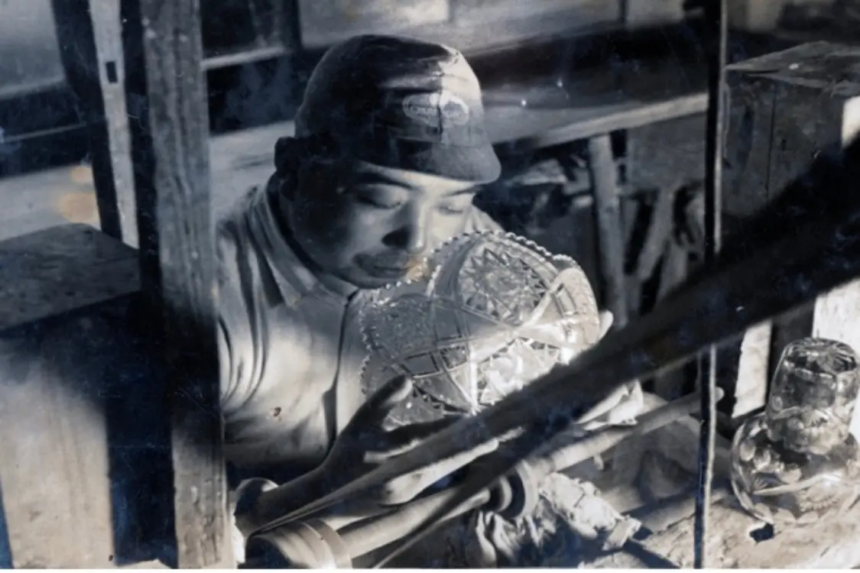
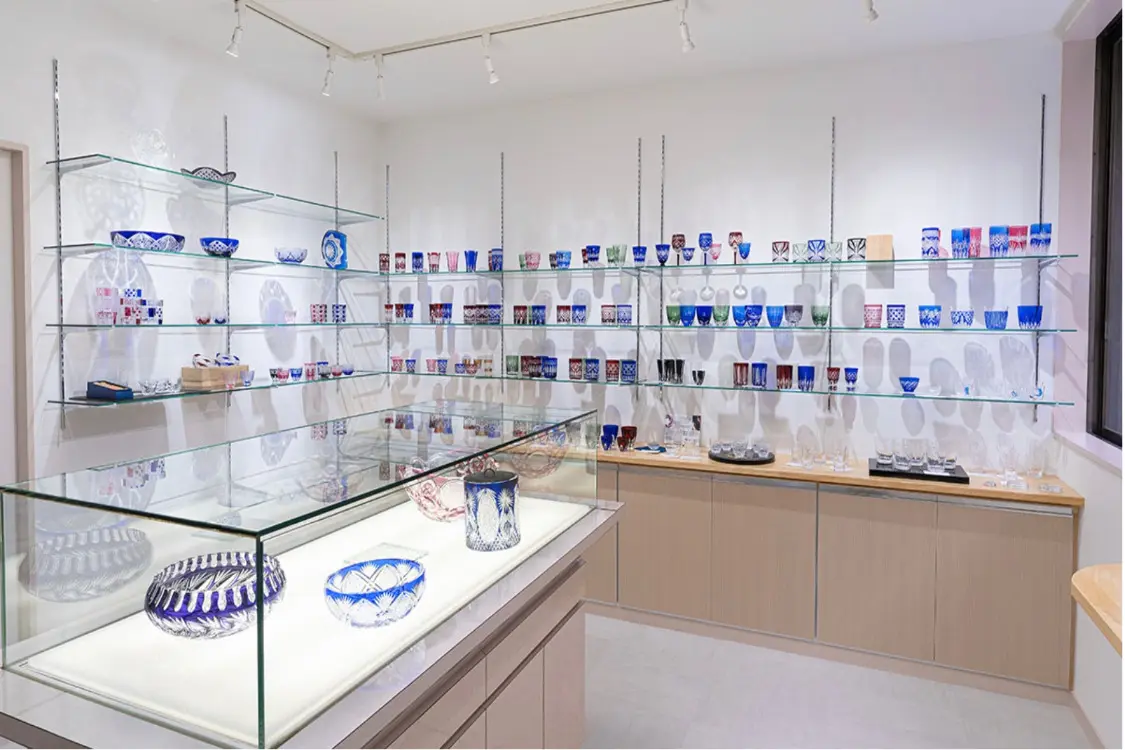
Shimizu Glass’s original products range from traditional patterns to contemporary designs. The entire manufacturing process is done by hand, and the resulting products are one-of-a-kind. In addition to being available for purchase through the online store, stock items are displayed and sold at the showroom. Prior notice is required, but if you would like to hold an Edo-kiriko piece in your hand, please stop by the showroom.
History
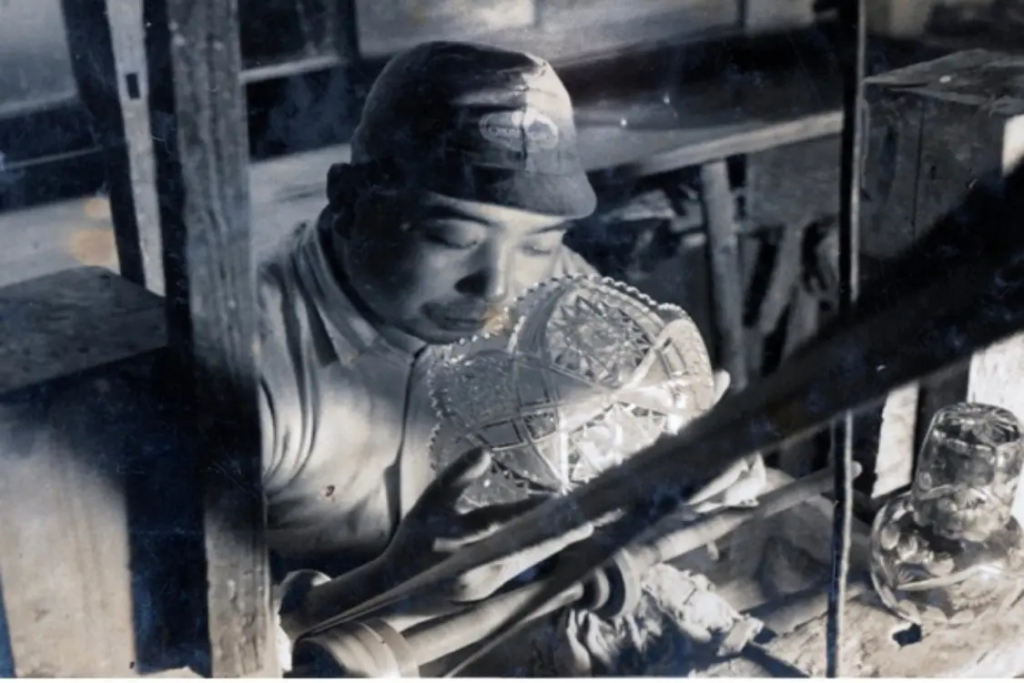
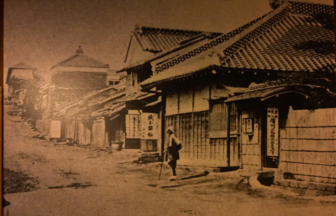
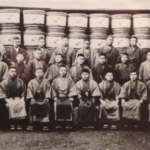
Shimizu Glass was founded in 1923 by Naojiro Shimizu, one of the apprentices of the Shinagawa Glass Works of the Ministry of Industry. Inheriting the tradition of Edo faceting, the company moved to its current location, Horikiri, Katsushika-ku, in 1948, and by the time of its second generation, Kazumi Shimizu, the company was engaged in the production of Western-style glasses and vases as a cooperative factory for HOYA’s crystal tableware business. Currently, the company is actively involved in the production and sale of original products.
This Notable Item
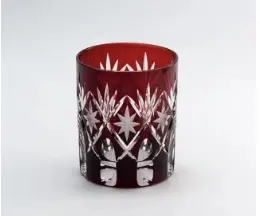
Rocks glass “Sasa no hoshi” red
11,000 yen
This hot-selling item is decorated with classic Edo faceting designs such as arrowheads, bamboo leaves, and stars. Each piece is handcrafted by artisans, and no two are alike. The rocks glass is the perfect size for enjoying whiskey or shochu with water, and it will take your daily evening drinks to the next level.
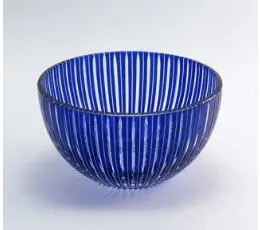
Medium bowl, alternating stripes, lapis lazuli
24,000 yen
This bowl dish has a traditional striped pattern with alternating thick and thin lines. The alternating stripes of cased color, transparent, and matte reflect beautiful light and shadow. For everyday use, it can be used to hold somen noodles or salads, and the food will look great. The stylish design does not interfere with food, making it a versatile dish that can be used not only for Japanese cuisine but also for Western cuisine.
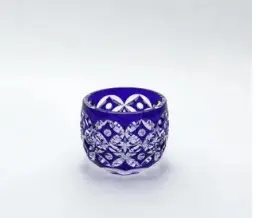
Round gulping cup “Madoka”, lapis lazuli
27,500 yen
It is a gem of highly skilled craftsmanship. The name “Madoka” comes from the combination of the round shape and the cloisonne link, a combination that is both auspicious and standard. Cloisonne is a pattern of piled rings joined together and has the meanings of harmony and perfection. It can be used for special occasions or as a gift for someone special.
Spot Overview
| Address: | 4-64-7 Horikiri, Katsushika-ku, Tokyo 124-0006 |
|---|---|
| Phone: | 03-3690-1205 |
| Business hours: | Weekdays: 8:00–17:00 |
| External link: | Shimizu Glass official website |
| Payment method: | Cash |
| 外部リンク | 清水硝子公式ホームページ |