What is the origin of the term “chilled sake”? Words related to sake

Sake & Tea

What is the origin of the term “chilled sake”? Words related to sake(hiyaoroshi)

Japanese rice wine

Sake made in early spring is stored until fall and shipped. The word “chilled” is derived from chilled = “raw” and wholesale = “shipped”. The process of hi-ire is unique. While most sake is hi-ired twice, chilled sake is hi-ired only when it is stored and not hi-ired a second time. In other words, the sake is stored in a “cold” or “raw” state before shipping, hence the name “chilled” or “cold-aged” sake. Originally, chilled sake was shipped when the temperature in the warehouse and the outside air were at the same level, but in recent years, it has been available a little earlier, in early September in some cases. It has a mild aroma and a smooth, ripe, mellow flavor that is perfect for the autumn season of abundant harvest. It is also known as “autumn harvest.

新着・おすすめ情報

  1. Collaborations with anime and popular actors! The challenge of Yoshinoya Shoten, a long-established lantern shop with a history of 168 years

  2. Ohagi/Botamochi

  3. grilled eel

  4. wheat starch

  5. Can you guess what are the five colors of the “fukiage” that is attached to the top of the carp streamer?

  6. What is included in “chopstick washing” in kaiseki cuisine? In what order are they served?

  7. Nitta Shrine (Musashishinden, Tokyo)

  8. Setagaya Joshi Park (Setagaya, Tokyo)

  9. Kameido Tenjinja Shrine (Kameido, Tokyo)

  10. When should I send out my summer greeting cards in 2023? Is it OK to send it by e-mail? Common sense and examples of sentences you should know

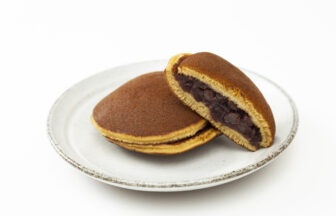
  11. Japanese dessert consisting of two slices of kasutera (sponge cake) with red bean jam in between

  12. Hie Shrine (in Kyoto)

  13. A parting gift for someone who is retiring or moving on. What is the market price, how to choose, and what is the etiquette for giving gifts?

  14. What is the origin of the name “Kintsuba”? How is it written in kanji?

  15. Fukutoku Shrine Meibuki Inari (Nihonbashi, Tokyo)