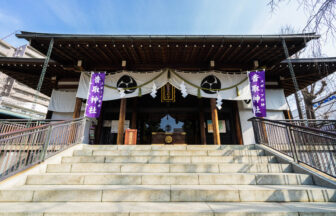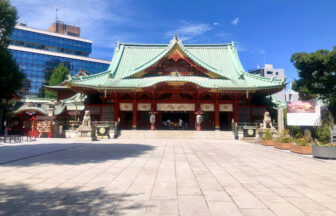


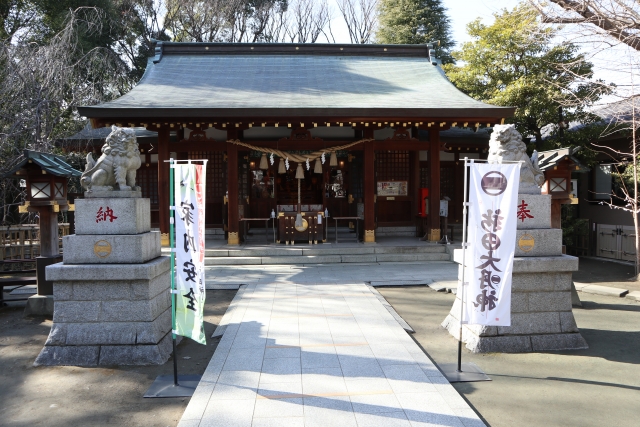
Nitta Shrine (Musashishinden, Tokyo)(Nitta Shrine)
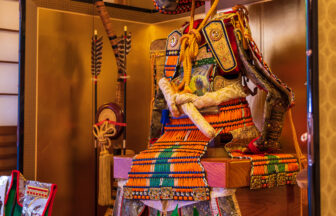
Hiraga GennaiNitta Yoshisada(ceremonial) arrow used to drive off evil
A shrine located in Yaguchi, Ota-ku, Tokyo. The shrine was built to repose the spirit of Nitta Yoshi-oki, the son of Nitta Yoshisada, who lost his life in an adulterous scheme, and was revered as “Nitta Daimyojin” and became Nitta Shrine. The round burial mound behind the shrine is said to be the burial mound where the remains of Yoshi-oki were buried. Based on this anecdote, Hiraga Gennai composed “Shinrei Yaguchiwatari” during the Edo period (1603-1867), which was performed as a kabuki play and joruri (dramatic drama). Nitta Shrine is also known as the birthplace of the “Hama-ya,” which is said to have originated from Gennai’s suggestion to make “arrow charms” (the original of the Hama-ya) from the shinotake bamboo used on the shrine grounds to ward off evil spirits and to dispel bad luck.
Spot OutlineOutline
| address (e.g. of house) | 1-21-23 Yaguchi, Ota-ku, Tokyo |
|---|---|
| Access | 3 minutes from Musashishinden Station on the Tokyu Tamagawa Line |
| phone | 03-3758-1397 |
| Business Hours | 9:00~17:00 |
| External Links | |
| Founding and opening of business | 1358 (Shohei 13) |