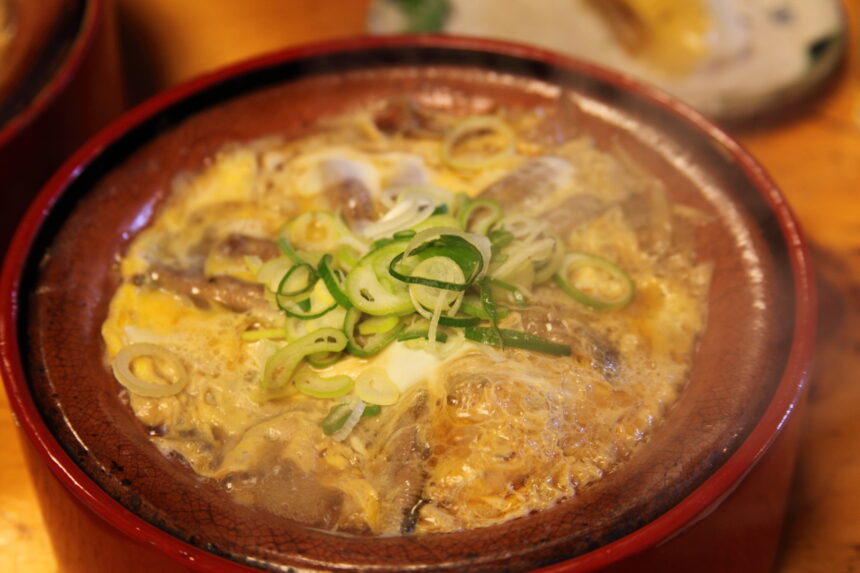
What is “Yanagawa Hot Pot”?

Eel, eel, conger eel, and doze eel

What is “Yanagawa Hot Pot”?(yanagawanabe/yanagawanabe)

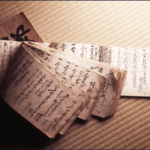
weather loach (Misgurnus anguillicaudatus)Manuscript of Morisada Manuscriptsold name of Tokyopot

In a shallow earthenware pot, lay out a layer of burdock root, arrange the loach in a radial pattern, add broth seasoned with soy sauce, sake, sugar, etc., simmer well, and cover with an egg. The loach is cut open back to back and the bones and head are removed. According to “Morisada Manuscript,” a book on customs and culture in the late Edo period (1603-1868), the name “dojo” is thought to have come from “Yanagawa,” the trade name of a store that began selling this dish in the Higashi Nihonbashi area of present-day Tokyo during the Tenpo period (1830-1844). Another theory is that the name was derived from the earthenware pots used, which were fired in kilns in the Yanagawa area of Kyushu.
新着・おすすめ情報

  1. Gansenen Park (Waseda, Tokyo)

  2. Tsukiji Catholic Church (Tsukiji, Tokyo)

  3. pongee (soft thin cloth woven from raw silk)

  4. Japanese doll” is a generic term for dolls traditionally made in Japan. What types are there?

  5. What are the characteristics of “Tailings”? Words related to sake

  6. black formal kimono with designs along the bottom of the skirt worn by married women on ceremonial occasions

  7. Anyone can do it by themselves! Basic yukata dressing – women’s version

  8. unlined kimono

  9. Note that the contents of “soup” differ between kaiseki and kaiseki cuisine.

  10. Meaning of “Unaju” and “Unadon”. What’s the difference?

  11. Shinagawa Shrine (Kita-Shinagawa, Tokyo)

  12. light broth made of jellied sweet bean paste

  13. sake brewed without addition of saccharides and no more than 120 litres of seed alcohol per tonne

  14. kneaded dough

  15. marks indicating the Japanese meaning of the texts of Chinese classics