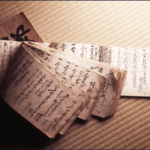
marks indicating the Japanese meaning of the texts of Chinese classics

armour

marks indicating the Japanese meaning of the texts of Chinese classics(SORI)

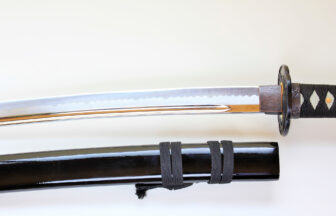
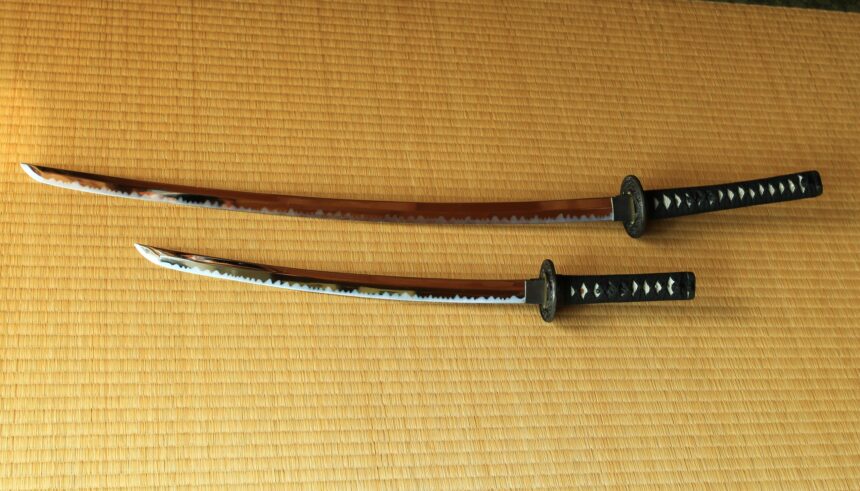
Japanese sword

Kisaki. The sword’s tip to the sword’s mune. The back of the sword opposite the blade. It is the part of the back opposite the blade that is hollowed out in a key shape from the tip to the stem. The distance between the stem and the mune is called the “wari” (the length of the blade). This is one of the unique beauties of the Japanese sword, which is not found in Western swords, which are mainly straight swords.
The warp makes it easy to pull the blade out of the scabbard, and allows for smooth cutting when the sword is swung down. It also softens the impact of a cut.
新着・おすすめ情報

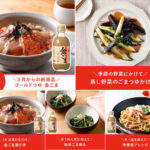
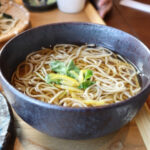
  1. Eating Doze soup every day to check the taste. The current owner of Komagata Dozeu, a famous restaurant that has been in business since the Edo period, demonstrates his commitment to preserving the taste of his products.

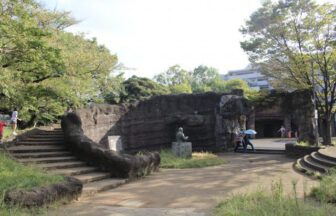
  2. Shimonotani Ruins Park (Higashifushimi, Tokyo)

  3. (silk) crepe

  4. Nara Ningyo” is characterized by the powerful touch of a single sword digging. What is the meaning behind it?

  5. Tokyo’s “Furyu Odori” is the talk of the town since it was selected as a UNESCO Intangible Cultural Heritage site! Tokyo’s “Furyu Odori” gathers in large numbers! Report on Tokyo Folk Performing Arts Festival

  6. A gem loved by literary giants! What is the charm of “Haniage Dango,” the ultimate in simplicity?

  7. What is the meaning behind the three colors of “Hishimochi”? Hina Doll Decorations

  8. Asukayama Park

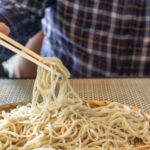
  9. soba cup

  10. Edo Bekko-ya” continues to deal with rare materials. Craftsmanship and another thing we cherish

  11. kokeshi doll

  12. What are the characteristics of “unfiltered” sake? Words related to sake

  13. The characteristics of “koshu” (old sake) explained [Words related to sake].

  14. 浅草

  15. Otomeyama Park (Takadanobaba, Tokyo)