

temple (Buddhist)Ikebukuro/Akabane
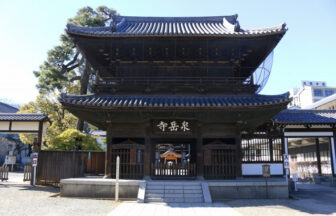
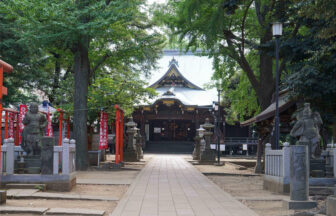
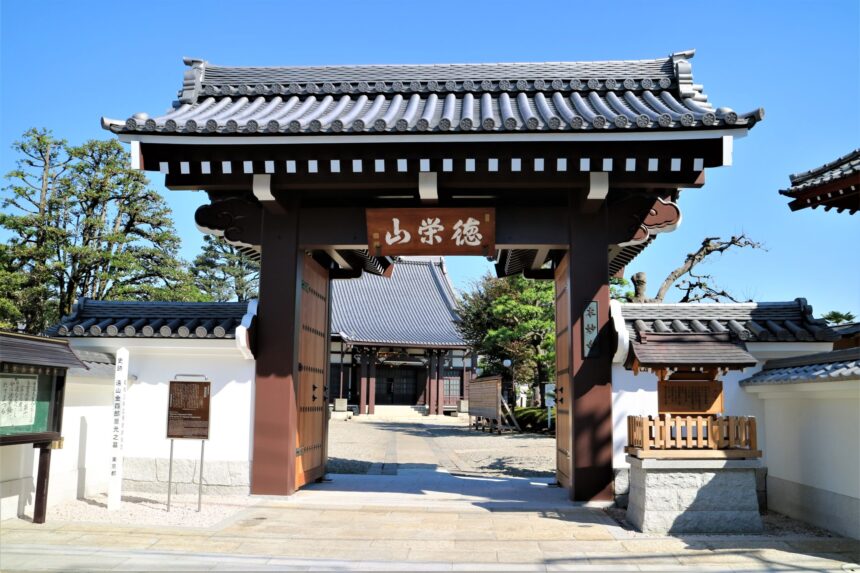
Honmyoji Temple (Sugamo, Tokyo)(Honmyoji-Temple)
Tokugawa Ieyasu (lords of the Tokugawa shogunate)walkGreat Fire of Meireki era (1655.4.13-1658.7.13)Kin-san of Toyama (third highest of the eight hereditary titles)
It is a branch temple of the Hokke school of Buddhism, whose head temple is Honjoji Temple in Sanjo, Niigata. 1571 (Genki 2), when Ieyasu Tokugawa entered Enshu Hikima (Hamamatsu City), vassals of the Tokugawa family asked the priest Nichkei Chizonin to build the temple in Sunpu. 1590 (Tensho 18), when Ieyasu entered Edo, the temple was moved to the Shimizu Gate, In 1908, the temple was relocated from Hongo to its current location. In the precincts of the temple, there is a memorial tower for the Great Mereki Fire, as well as the tombs of Toyama Saemoncho Kagegen, a famous magistrate known as “Kin-san of Toyama,” and Chiba Shusaku, a great swordsman of the late Edo period, which give visitors a sense of history.
Spot OutlineOutline
| address (e.g. of house) | 5-35-6 Sugamo, Toshima-ku, Tokyo |
|---|---|
| Access | 10 minutes walk from JR/Subway Sugamo Station, 5 minutes walk from Shinkoshinzuka Station on Toden Arakawa Line |
| phone | 03-3917-1558 |
| Business Hours | Before 6:00 a.m. to after 5:00 p.m. in winter and before 6:00 a.m. to after 4:30 p.m. in winter |
| regular closing day | nashi (Pyrus pyrifolia, esp. var. culta) |
| External Links | |
| Founding and opening of business | 1571 (2nd year of the Genki era) |