New Year’s gift (usu. money given to a child by relatives and visitors)

New Year’s gift (usu. money given to a child by relatives and visitors)(Onenga.)

gift

A gift given in celebration of the New Year to express gratitude for the old year and greetings for the new year. Generally, gifts should be sent between January 1 and the end of the Matsu-no-Uchi period (January 7 in the Kanto region and January 15 in the Kansai region). In general, gifts should not be sent by mail, but should be delivered in person to the recipient. It is said to have originated from the custom of bringing “otsukitama (New Year’s gifts),” offerings to the kamidana or Buddhist altar where the “New Year God” is enshrined, and giving them to each other.

新着・おすすめ情報

  1. Inari-zushi

  2. lay or stretch out to dry

  3. Gokokuin Taisenji Temple (Meguro Fudo Temple)

  4. cucumber sushi wrapped in nori (seaweed)

  5. Tokyo Literature Walk] No. 1: Walking around Asakusa, a treasure house of modern literature

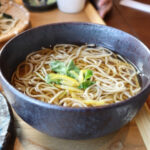
  6. Where did okame soba originate? Ingredients used are also explained.

  7. Former Residence of Soseki Natsume (Cat’s House)

  8. very young fish (esp. a konoshiro gizzard shad)

  9. mochi containing red bean paste

  10. combined off-license and pub (licence)

  11. The same manufacturing method since the establishment of the company. Interview with Satoru Nakamura, the 7th generation of Shirokiya Nakamura Denbei Shoten, who weaves Edo brooms using craftsmanship passed down from generation to generation .

  12. Manners Related to Tea: How to Make and Serve Delicious Tea, and Manners for Receiving Tea

  13. A Walk in Edo with Old Maps] No.5: Traces of Edo Remain Strong in “Differences in Elevation” and “Town Names” in Ushigome and Ichigaya

  14. What does “Sarashina (soba)” mean and where did it originate?

  15. The family motto is “Be a connoisseur. Gyokuho-Do” has continued to support the tea culture by handling tea utensils of the Unshu-Matsudaira and Omotesenke families.