

temple (Buddhist)Ikebukuro/Akabane
Zoshigaya Kishimojin Hall(Zoshigaya Kishimojindo Temple)
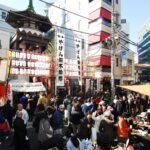
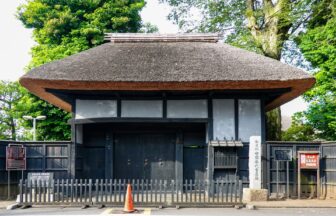
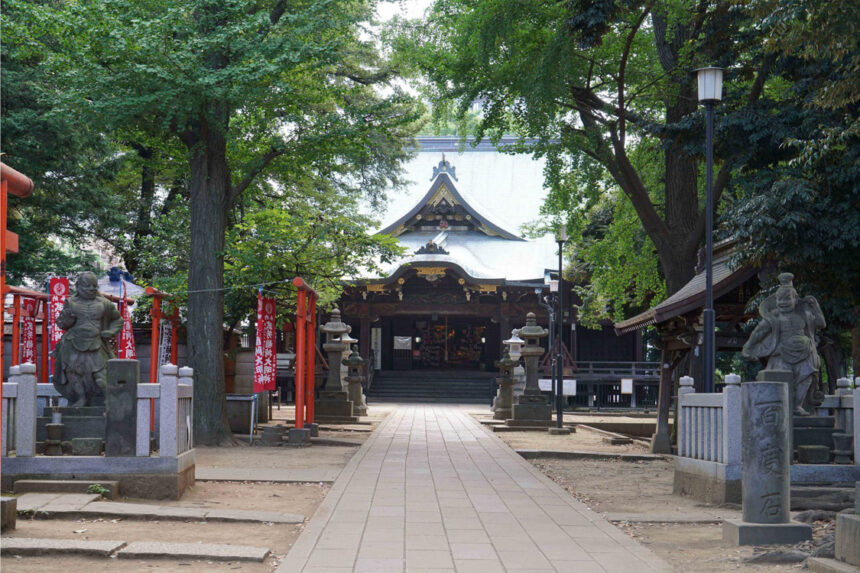
Located within the enclave precincts of Homyouji Temple of Nichiren Sect, this Buddhist temple enshrines Kishimojin, the god of safe childbirth and child rearing. It is said that the temple was founded in 1561 (Eiroku 4) during the Muromachi period (1336-1568), when a statue of Kishimojin was dug up in Kiyodo (present-day Mejirodai, Bunkyo-ku, Tokyo) and placed in the temple. After that, the temple was worshipped by the people, and in 1578, the villagers built a hall at the present location. The approach to the temple is lined with old zelkova trees, and the precincts are home to Takeyoshi Inari Hall, a landowner deity, and a large 700-year-old ginkgo tree, as well as Daikokuten, one of Zoshigaya’s seven gods of good fortune. Every year in October, the town comes alive with the large-scale “Gokaishi Grand Festival,” which has been held since the Edo period (1603-1868).
The character for “demon” in Kishimojindo is correctly written without the “no” (horn) in the first stroke.
Spot OutlineOutline
| address (e.g. of house) | 3-15-20 Zoshigaya, Toshima-ku, Tokyo |
|---|---|
| Access | 5 minutes from Zoshigaya Subway Station, 5 minutes from Kishimojin-mae Station on the Toden Arakawa Line, 15 minutes from JR Ikebukuro and Mejiro Stations |
| phone | 03-3982-8347 |
| Business Hours | 9:00-17:00 (10:30-16:30 for Daikoku-do) |
| regular closing day | without a holiday |
| External Links | |
| Founding and opening of business | 1578 (Tensho 6) |