

historic siteHachioji, Machida, Fuchu
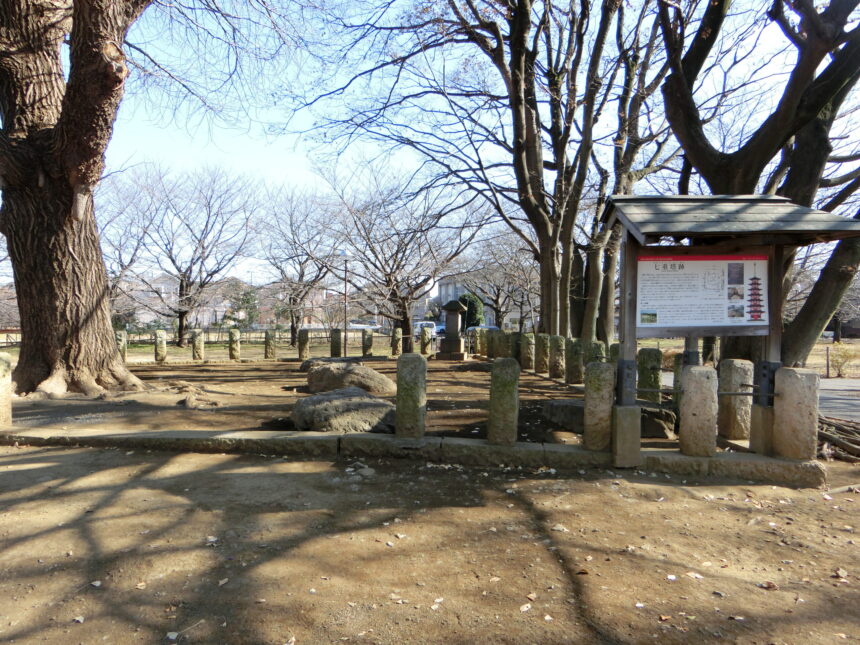
Ruins of Musashi Kokubunji Temple(Site of Musashi Provincial Temple)
National Historic SiteEmperor Shomu (hereditary title; orig. one of the two highest such titles, later demoted to sixth highest of eight)
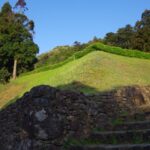
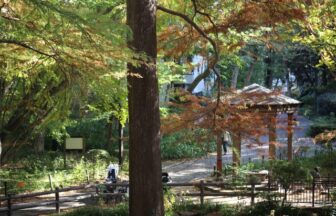
During the Nara period (710-794), Emperor Shomu ordered the construction of Kokubunji temples throughout the country in order to subdue calamities in the country through Buddhism. Musashi Kokubunji Temple was built on the site of this temple, which was an important transportation hub along the ancient official road “Musashiji-ro,” or Higashiyama Road, connecting the capital and the Musashi Province (present-day Fuchu City). The original temple complex was destroyed by fire in the Middle Ages, but by the Edo period (1603-1867), the temple ruins had become a well-known landmark in the Edo area, and in 1922, it was designated as a national historic site. Today, the ruins of the Kondo hall, the lecture hall, and the seven-story pagoda are maintained as historical sites, and part of the site has been turned into a park. Nearby are the Kokubunji Yakushido, the successor to the ancient Kokubunji Temple, and the ruins of the Kokubun Nunji Temple.
Spot OutlineOutline
| address (e.g. of house) | Near 1-4 Nishimoto-cho, Kokubunji City, Tokyo |
|---|---|
| Access | 18-minute walk from JR Kokubunji Station, 15-minute walk from JR Nishikokubunji Station |
| phone | 042-300-0073 (Kokubunji City Hometown and Cultural Properties Division) |
| Business Hours | always open |
| regular closing day | |
| External Links | |
| Founding and opening of business | Nara period (710-794 CE) |