kneaded dough

Japanese confectionery

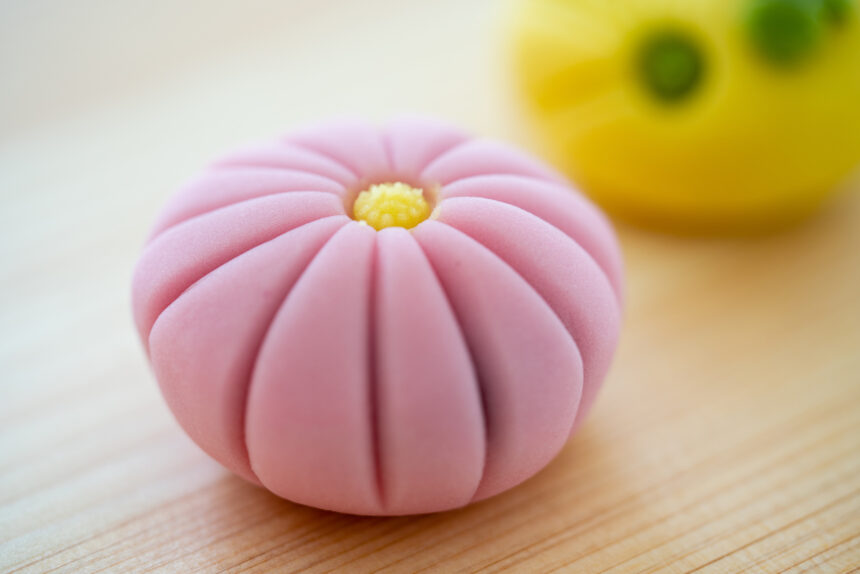
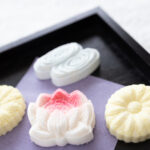
kneaded dough(Nerikiri)

red bean pastehigh-grade Japanese fresh confections (usu. colorful sculpted mochi in seasonal designs)four seasons

Kneaded white bean paste is made by kneading white sweet bean paste with sugar and a binder such as gyuhi (gyuuhi). It is then colored and decorated with seasonal motifs to create a beautiful Kami-no-gashi. Each season has its own motif, such as cherry blossoms in spring, morning glories in summer, autumn leaves in fall, and camellias in winter. They are generally used at tea ceremonies and celebratory events. The kneaded bean paste itself is also used as an ingredient for other wagashi.

新着・おすすめ情報

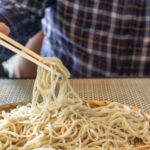
  1. 【第4回】「関東の蕎麦、関西のうどん」食べ方を見ればその人の出身地が分かる

  2. The name “Mokumegome doll” comes from the fact that the fabric is pressed into the shape of a doll.

  3. Enmeiji Temple, Jizo (a jizo that cuts off the head) / Kozukabara Penitentiary Site (Minami-Senju, Tokyo)

  4. Atago Shrine

  5. Was Kimuraya Fuhonten’s Anpan Created by “Painful Measures”? 150 years of history of trial and error

  6. 【第23回】蕎麦屋店主が考える真の蕎麦「通」の定義

  7. Umezono, a long-established sweet shop in Asakusa. Brand is established through trust with customers and business partners.

  8. 【第25回】七十五という数字にまつわる蕎麦の話

  9. A Walk in Edo with Old Maps] No.4: Was the Yoshiwara brothel located in Ningyocho? A play by day, a brothel by night. A Journey to the Ruins of a Former Pleasure Spot

  10. Ruins of Otama-ga-ike Pond

  11. Railroad starting point 0 leagues sign (Shinbashi, Tokyo)

  12. marks indicating the Japanese meaning of the texts of Chinese classics

  13. Asakusa 1 Day Sightseeing Plan] Tour Asakusa’s long-established shops! 5 spots where you can feel history and tradition

  14. sake specially produced without added alcohol or sugar

  15. 【第2回】美味しい蕎麦屋を見分けるコツは、お客様の「姿勢」を見ること