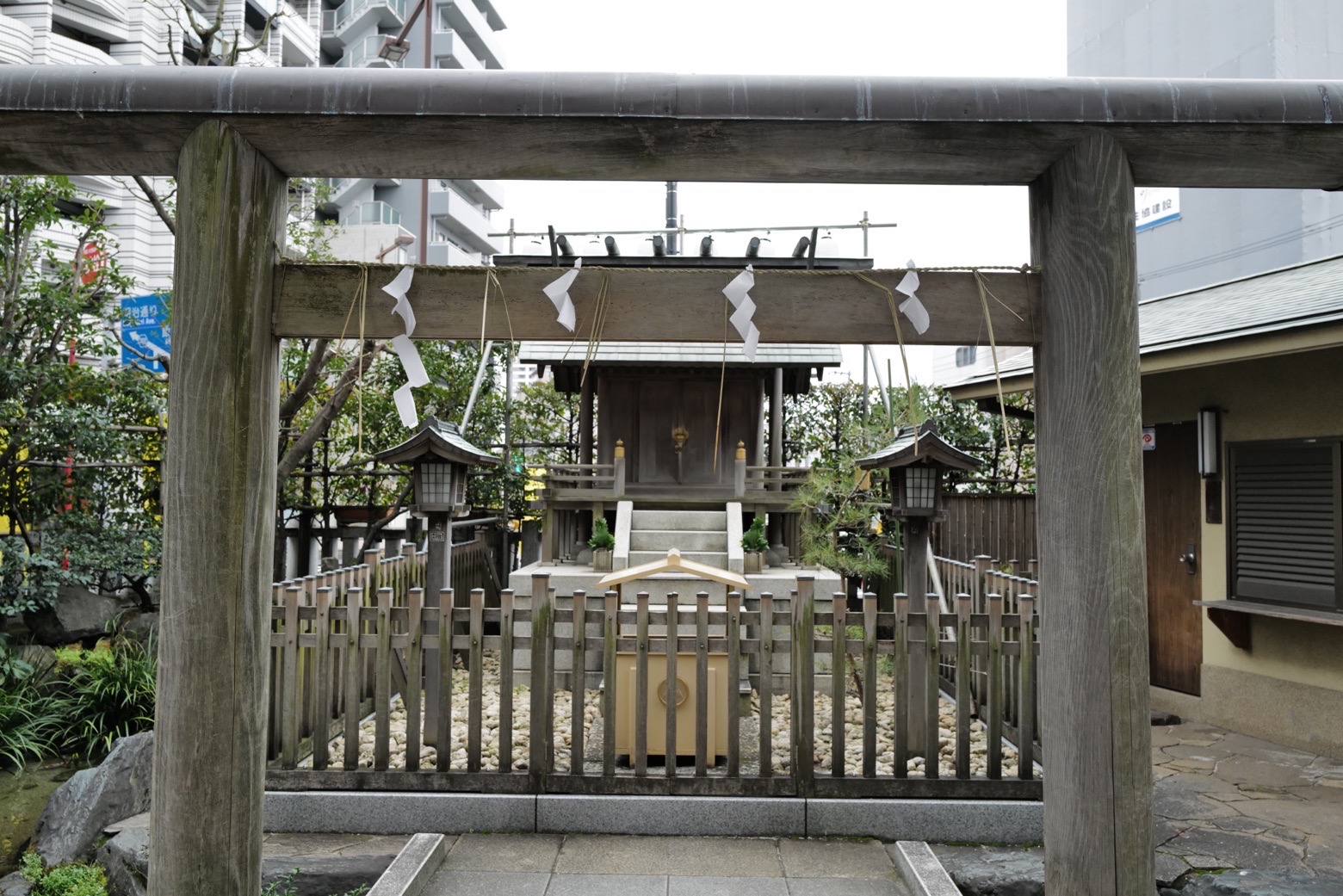
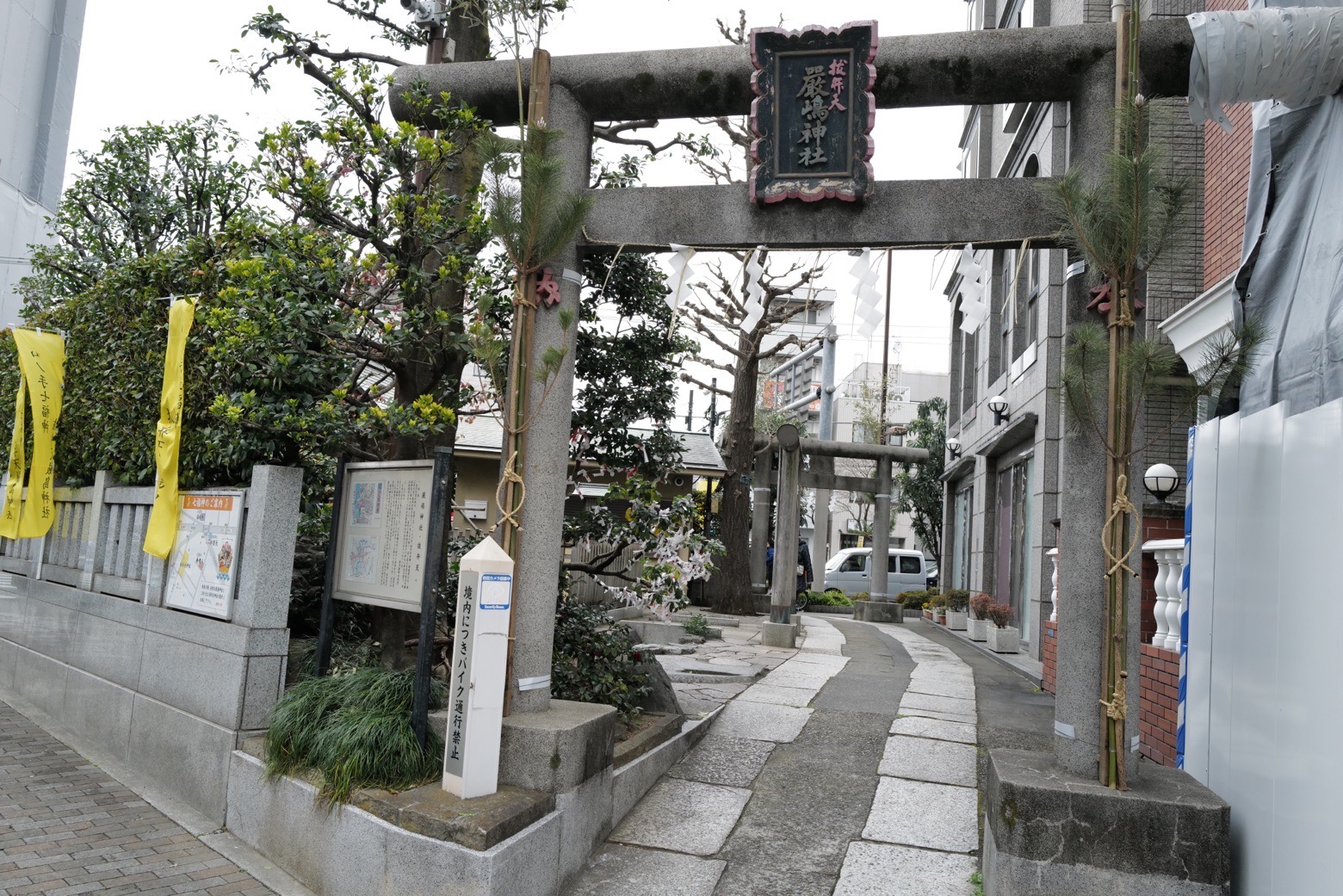
Itsukushima Shrine (Shinjuku, Tokyo)

Shinto shrineShinjuku, Nakano

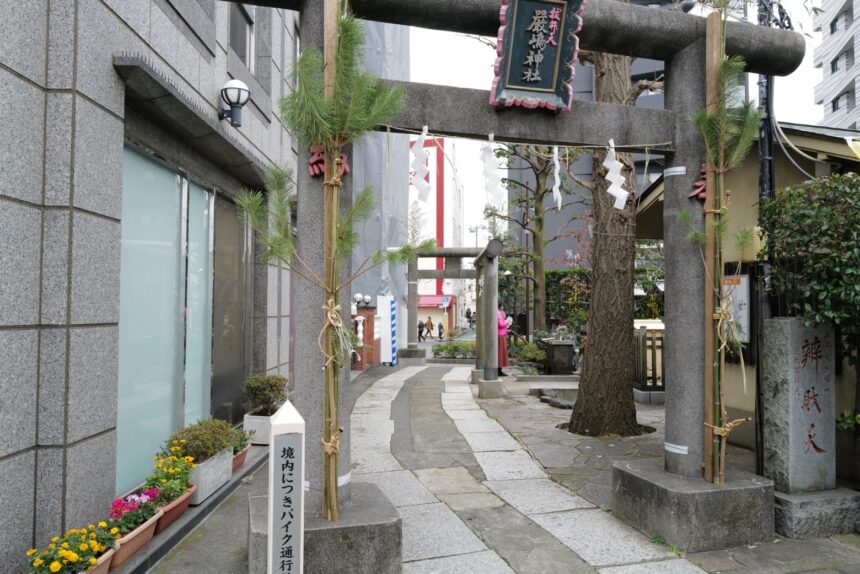
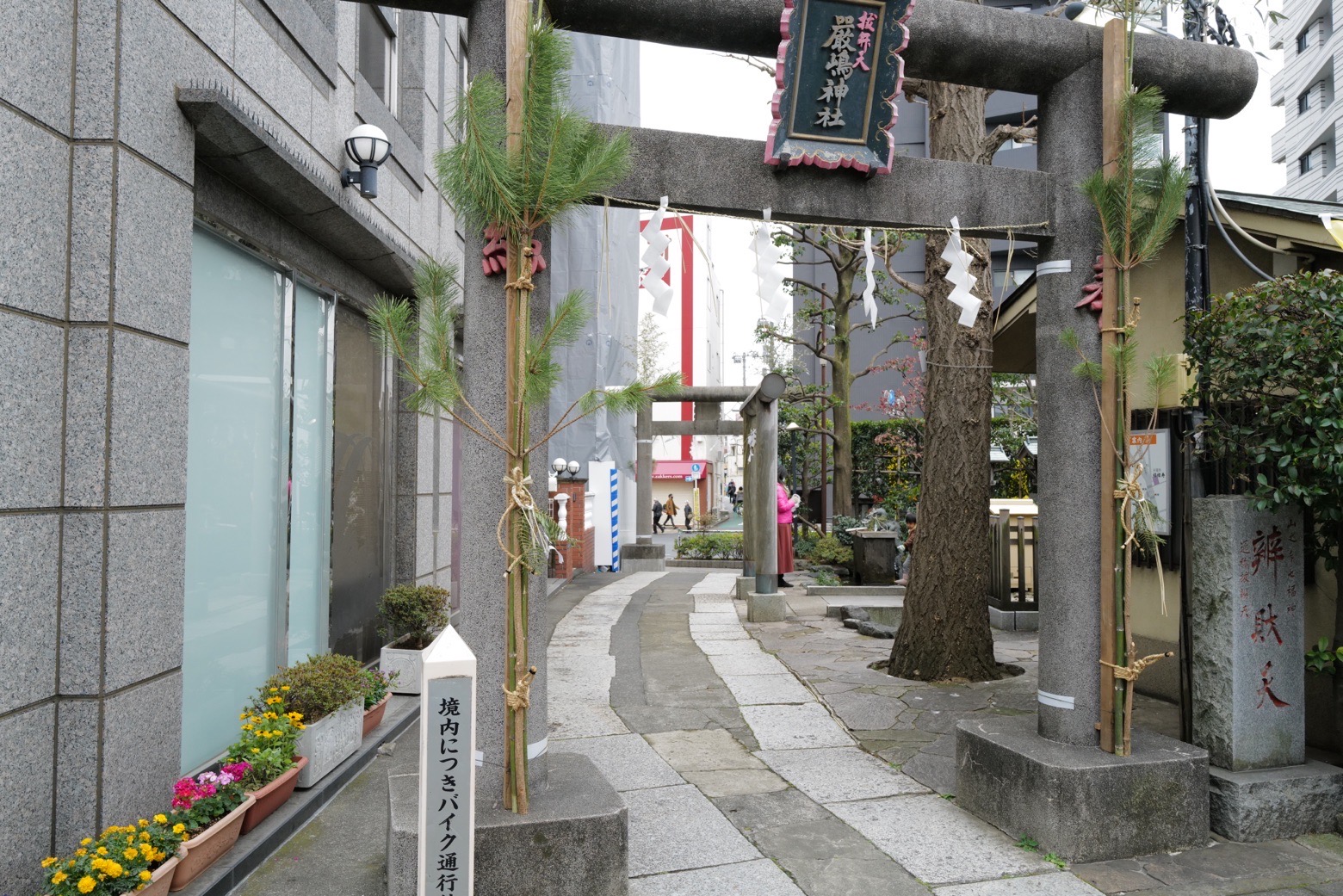
Itsukushima Shrine (Shinjuku, Tokyo)(Itsukushima Shrine (Nukebenten)

Saraswati (god of wealth, music, eloquence and water)Shinjuku Yamanote Shichifukujinfive great wisdom kings of EdoMinamoto no Yoshie

Itsukushima Shrine is said to have been built by Minamoto no Yoshiie, who prayed here for victory in the war and achieved the pacification of Oshu, as a thank-you shrine on his way home. The shrine was named “Nukebenten” because the shrine grounds can be passed through from north to south, and because it is a Benten shrine that helps people overcome hardships in accordance with an anecdote about Minamoto no Yoshie. Today, the shrine is better known by its common name, “Nukebenten. The shrine has been revered by the local people since the Edo period (1603-1867), and is one of the five major Benten shrines of Edo and one of the seven gods of good fortune in Shinjuku Yamanote. It is also said that in the past, one could see Mt.

Spot OutlineOutline

address (e.g. of house) 8-5 Yochocho, Shinjuku-ku, Tokyo
Access 6 minutes from Higashi-Shinjuku Subway Station

phone 03-3351-5875 (Nishimukai Tenjinsha)
Founding and opening of business 1086 (Ontoku 3)

新着・おすすめ情報

  1. 【第7回】蕎麦に欠かせない薬味「葱」と「唐辛子」について

  2. Tanashi Shrine (Tanashi, Tokyo)

  3. The soul of the craftsman resides in the old-fashioned production method. The long-established comb shop “Juso Yakushi Ten” that produces the one and only boxwood comb.

  4. Ryugenji Temple (Kameido, Tokyo)

  5. man’s stiff sash

  6. What are “Ichimatsu Dolls”? It was made to resemble a certain Kabuki actor in the Edo period.

  7. Komagata Dozeu, a famous restaurant with a history of more than 200 years, serves dojo cuisine.

  8. When did the Hina Matsuri (Peach Festival) begin?

  9. What is “moromi”? Words related to sake

  10. Matsui Sake Brewery once closed. A closer look at the creative sake brewing process at the revived brewery.

  11. When did “taru-shu” begin to be made? Words related to sake

  12. Tomioka Hachimangu Shrine

  13. wafer

  14. short sword

  15. Kaiseki cuisine “Hachisun”, what is served on what occasion?