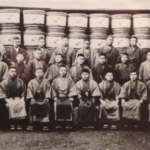
type of informal katakana worn in the Edo period

Japanese clothing

type of informal katakana worn in the Edo period(edokomon)

Japanese clothesclothing

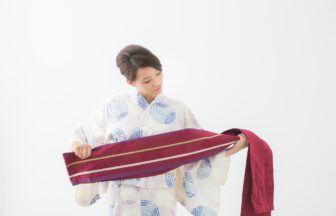
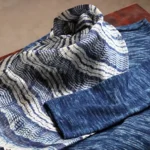
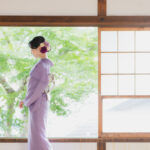
A dyed fabric in which a pattern so fine that it appears plain at first glance is repeatedly pattern-dyed in one direction and in one color. The roots of this technique date back to the Muromachi period (1333-1573), and from the beginning of the Edo period (1603-1867), it was used for kamishimo (formal dress for samurai). By the mid-Edo period, it had spread to the townspeople, and was worn by people of all genders and statuses. Plain, detailed patterns are characteristic of Edo komon, but commoners also used patterns based on motifs such as four-character idioms, idiomatic phrases, flowers, and vegetables. Today, it is suitable for casual fashionable wear, but it can also be worn on formal occasions if the pattern is of high rank, which was used for kamishimo, or “komon sanyaku (or goyaku),” or if it has a crest.

新着・おすすめ情報

  1. Four long-established restaurants specializing in nabe cuisine! 4 long-established restaurants specializing in hot pot dishes Let’s enjoy the taste of that famous restaurant by order!

  2. Shimotani Shrine

  3. Koishikawa Botanical Garden

  4. brewing

  5. traveling clothes

  6. What kind of brewing method is “Yamahai-brewing”? Words related to Sake

  7. Was Kimuraya Fuhonten’s Anpan Created by “Painful Measures”? 150 years of history of trial and error

  8. What does “Oyako” mean? Hina Dolls

  9. Kiyosumi Garden

  10. When is the day of the Ox in 2023? What is the origin and the reason for eating eels?

  11. sweet red-bean soup

  12. pongee (soft thin cloth woven from raw silk)

  13. undershirt

  14. Yamamoto-Tei (aristocratic group of pious men)

  15. Umezono, a long-established sweet shop in Asakusa. Reaching out to the next generation with innovative ideas and SNS development that are “Eiyoe” (picture-perfect).