graupel

Japanese confectionery

graupel(Arare/arare)

hospitalityrice cracker

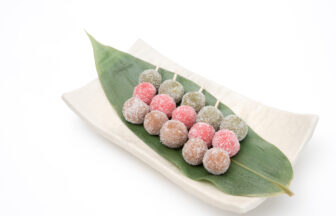
It is a rice cracker made from glutinous rice, and named “arare” because of its similarity in shape to the hail that falls from the sky in winter. The only difference between “arare” and “okaki,” which is also made from glutinous rice, is the size. While arare are small grains, okaki are usually larger than 5 cm in diameter. However, in the old days, arare and okaki were two different things.

Arare was a food served at the court during the Nara period (710-794), and was made by frying rice grains. It is said that arare was a different food from modern arare. Okaki, on the other hand, was made by chipping the Kagamimochi (mirror-shaped rice cake) with a mallet or by hand after the New Year, frying it or baking it, and eating it. The reason for chipping with a mallet or by hand is said to be because people considered it bad luck to cut it with a knife and abhorred it.

新着・おすすめ情報

  1. Manners for visiting shrines and temples: money offering, how to pray, how to get a red seal, etc.

  2. Meaning of “Unaju” and “Unadon”. What’s the difference?

  3. sandbar that projects into the ocean, particularly in a wavy form

  4. Suzuki Ruins Museum

  5. Kiyosumi Garden

  6. Kanda Myojin

  7. Ruins of Kirishitan residence (Myogadani, Tokyo)

  8. Asakusa 1 Day Sightseeing Plan] Tour Asakusa’s long-established shops! 5 spots where you can feel history and tradition

  9. kneaded dough

  10. Matsui Sake Brewery once closed. A closer look at the creative sake brewing process at the revived brewery.

  11. Shinagawa Shrine (Kita-Shinagawa, Tokyo)

  12. duck meat stew (dish from Ishikawa prefecture)

  13. Toyokawa Inari Tokyo Betsuin (Akasaka, Tokyo)

  14. Oshima tsumugi weave

  15. Former Iwasaki Residence