

Parks & GardensKichijoji, Suginami
Edo-Tokyo Open Air Architectural Museum (Koganei, Tokyo)(Edo-Tokyo Open Air Architectural Museum)
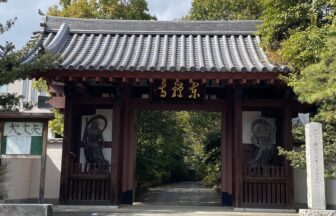
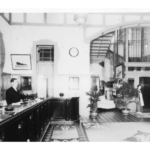
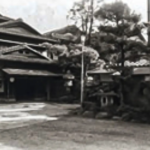
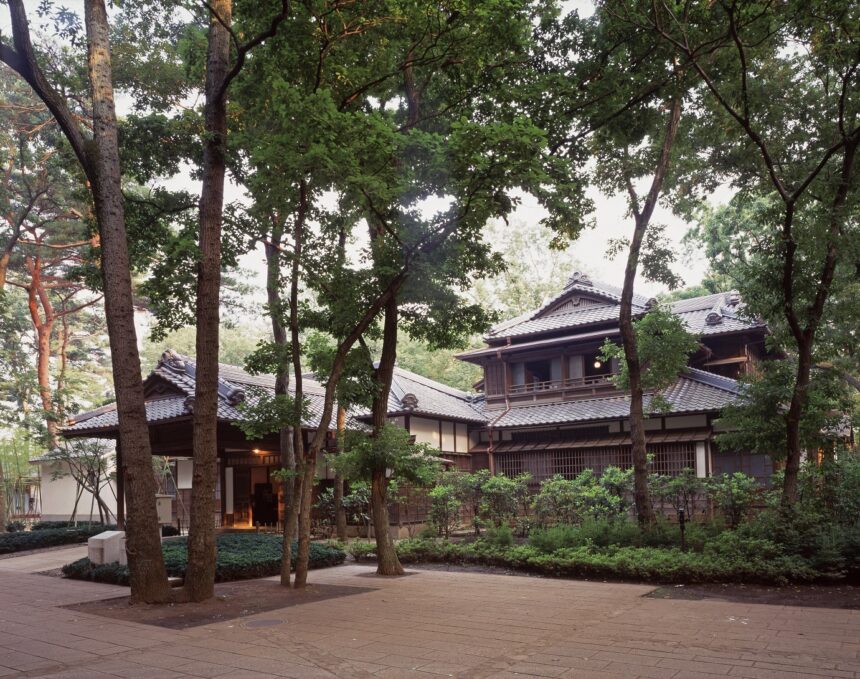
In 1993, the Edo-Tokyo Open-Air Architectural Museum was established on the grounds of Koganei Park as a branch of the Tokyo Metropolitan Edo Tokyo Museum. The purpose of the garden is to restore, preserve, and exhibit historical buildings of high cultural value that cannot be preserved on-site, and to pass them on as valuable cultural heritage to future generations. The 30 valuable buildings have been relocated and restored and are on display, including a private house from the Edo period (West Zone), the former Koka-den (Center Zone), a renovated ceremonial hall where the 2600th anniversary ceremony was held in 1940 (Showa 15), and a public bathhouse from the early Showa period (East Zone). Some of the buildings are known to have served as models for the Ghibli film “Spirited Away,” and stepping into one of them is like stepping back in time.
Spot OutlineOutline
| address (e.g. of house) | 3-7-1 Sakura-machi, Koganei-shi, Tokyo (in Metropolitan Koganei Park) |
|---|---|
| Access | From Musashi Koganei Station on the JR Chuo Line, take a bus (bound for Higashikurume Station, Kiyose Station South Exit, or Takiyama Office), get off at Koganei Koen West Exit and walk 5 minutes. From Hana-Koganei Station on the Seibu Shinjuku Line, take a bus (bound for Musashi Koganei Station) and get off at Koganei Koen West Exit, then walk 5 minutes. |
| phone | 042-388-3300 |
| Business Hours | 9:30-17:30 (April-September) / 9:30-16:30 (October-March) *Adult admission 400 yen, 65 and older 200 yen, college students 320 yen, high school and junior high school students (outside Tokyo) 200 yen, junior high school students (living or attending school in Tokyo), elementary school students and preschool children free |
| regular closing day | Mondays (or the following day if Monday is a national holiday or substitute holiday), year-end and New Year holidays |
| External Links | |
| Founding and opening of business | 1993 (Heisei 5) |