

OK with childrentemple (Buddhist)Hachioji, Machida, Fuchu
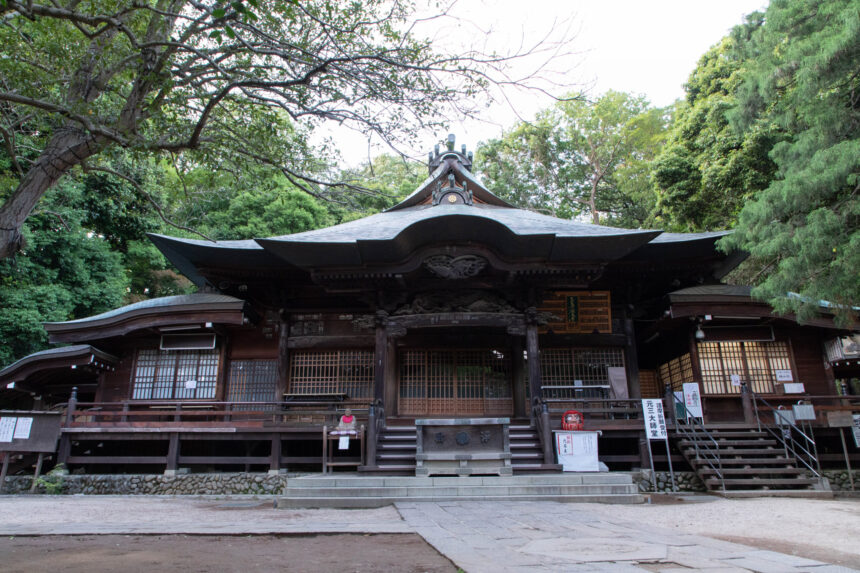
Jindaiji Temple (Chofu, Tokyo)(Jindaiji Temple)
warding off evilnational treasureTangible Cultural Properties Designated by the Tokyo Metropolitan Government
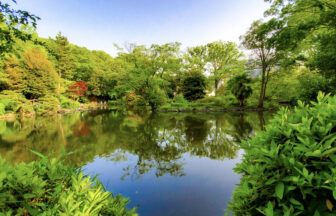
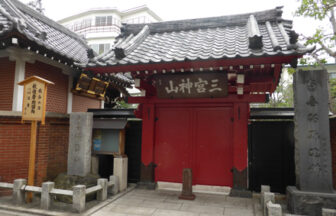
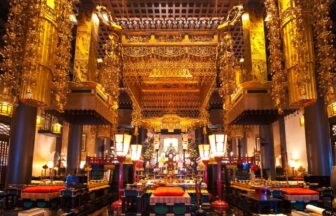
It is said that this temple was built in 733 by Mannojo Shonin, who studied the Hosso sect in Nara, and enshrined Jinnja Daio at the site blessed with clear water. In the Heian period (794-1185), the temple was revived by the monk Eriakyo, who came from Mt. The temple is also known for its valuable cultural assets, including a statue of Shaka Nyorai, a national treasure from the late Asuka period, and a statue of Jie Daishi (Ganzan Daishi), nearly two meters tall, from the late Kamakura to Nanbokucho periods. The annual Genzan Daishi Festival, held on March 3 and 4, attracts a large number of worshippers, and a Daruma doll market is also held in conjunction with the festival. To the north of the temple grounds is the spacious Jindai Botanical Park, which is home to 100,000 trees and plants of approximately 4,800 varieties. (Image courtesy of Jindaiji Temple)
Spot OutlineOutline
| address (e.g. of house) | 5-15-1 Jindaiji Motomachi, Chofu City, Tokyo |
|---|---|
| Access | 5 minute walk from Jindaiji Elementary School bus stop from Chofu Station on the Keio Line (bound for Kichijoji Station or Mitaka Station), 3 minute walk from Jindaiji bus stop from Kichijoji Station on the JR Chuo Line (bound for Jindaiji), 3 minute walk from Jindaiji bus stop from Mitaka Station on the JR Chuo Line (bound for Jindaiji) |
| phone | 042-486-5511 |
| Business Hours | 9:00-17:00 (hours when the temple office is open / Shakado Hall is open from 9:30-16:00) |
| External Links | |
| Founding and opening of business | 733 (Tempyo 5) |